OpenAI CEO Sam Altman has revised earlier warnings, saying AI firms are still hiring more workers
CEO Altman said AI adopting companies are hiring more while others blame layoffs
In 2025, Altman warned some jobs could vanish as AI systems become more advanced
OpenAI Chief Executive Officer (CEO) Sam Altman has softened his earlier warnings about artificial intelligence wiping out large numbers of jobs, arguing instead that companies using the technology most aggressively are often expanding their workforce.
While having a converasation with CNBC on Monday, Altman said he has observed a different trend from the one many fear. According to him, companies embracing artificial intelligence are continuing to hire, while businesses blaming the technology for layoffs are often among the least active adopters.
"The companies that I know that have adopted AI the most are also the ones hiring the most," Altman said. He added, "The companies, as a general rule, that are talking about doing layoffs because of AI are the ones adopting AI the least."

1 October 2026
Get the latest issue of Outlook Business

His comments come as concerns over artificial intelligence-driven job losses continue to grow among workers and industry observers.

Sam Altman Revises AI Warning
The remarks mark a notable shift from Altman's earlier stance on artificial intelligence and employment.
In 2025, the OpenAI chief warned that some professions could disappear entirely as AI systems became more capable. During a conversation with Federal Reserve Vice Chair for Supervision Michelle Bowman, he said that "some areas" of the labour market could become "totally, totally gone" because of AI agents.
Advertisement
He also suggested at the time that certain jobs being replaced by AI might not be viewed as "real work" in the future.
Now, Altman says his outlook has become more positive after seeing how businesses use OpenAI products, particularly coding tools such as Codex.
"I think I underestimated how jagged these models are going to be," he said. "They do some things incredibly well, but they don't do kind of the long-term, complex task supervision well at all."
Altman said AI is still strong at handling specific tasks, but it struggles when work requires longer judgement, coordination and oversight.
Advertisement

Why AI Job Fears Remain?
Concerns around AI and job losses continue to grow among workers and industry observers. Several tech leaders have already warned that artificial intelligence could replace a large number of jobs over time. Microsoft AI chief Mustafa Suleyman and Anthropic CEO Dario Amodei are among those who have raised concerns about its impact on employment.
The debate has intensified as some companies cited artificial intelligence while announcing workforce reductions. Firms including Block, Cisco, Coinbase, Snap and Salesforce have linked restructuring efforts to growing AI adoption.
Public concern has also increased. Citing a March survey by the Pew Research Center, Business Insider reported that around half of Americans said they felt more concerned than excited about the growing use of artificial intelligence in everyday life. Only a small share said they were more excited than worried.

Why Humans Remain Essential?
Altman also said OpenAI may have added to public concerns through its own messaging. Referring to a December 2025 announcement for GPT-5.2, where the company said the model performed better than professionals in 44 jobs, he said the message could have been clearer.
He added that, despite rapid progress in artificial intelligence, people will continue to play a central role in work and society.
"People really like other people and want to interact with other people," he said. "They want to collaborate. They work with other people." He also said customers still prefer human interaction when buying products and tend to connect more with real creators than AI-generated content.
"Most people, I think, don't want to watch an AI-generated creator. They want to know who the person behind it is," Altman said.


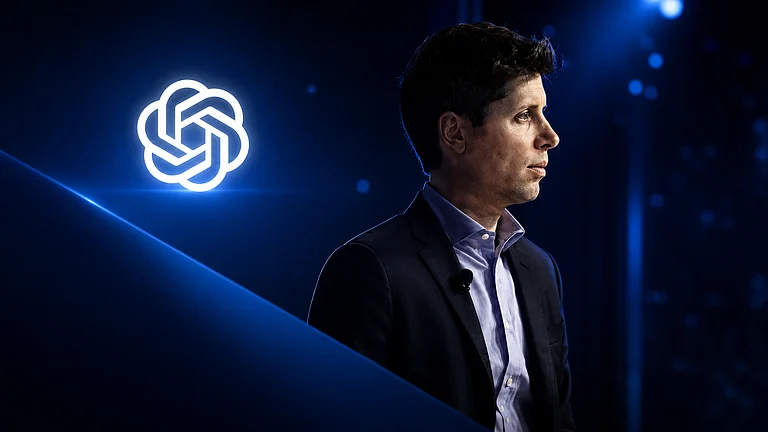
Altman said he is still uncertain about the long-term impact of artificial intelligence on jobs, but his latest comments suggest he no longer sees large-scale job losses as an inevitable outcome.