



Inside India’s Lead Recycling Factory

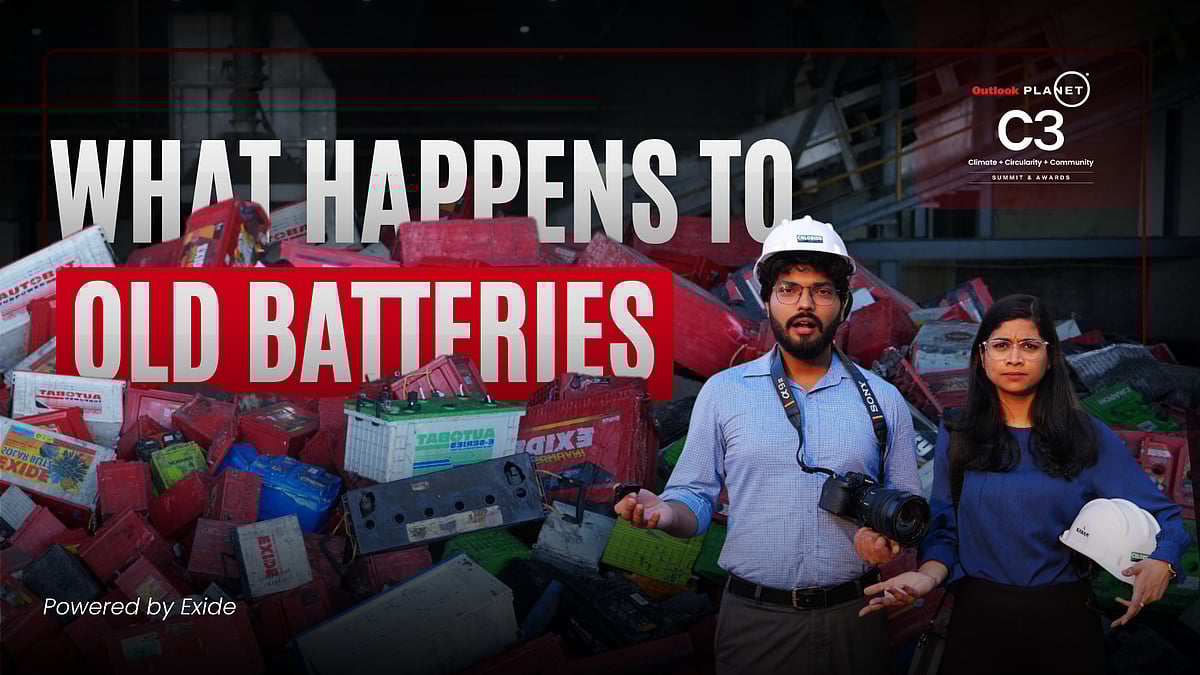
What happens to your old battery once it dies? In this video, we take you inside Exide’s lead-acid battery recycling ecosystem, an intricate process that quietly powers India’s circular economy. Lead-acid batteries are among the most recycled consumer products in the world, with nearly 100% of their components, namely lead, plastic, and acid, recoverable and reusable. But behind this efficiency lies a deeper story. India generates over 1.2 million tonnes of used lead-acid batteries every year. Yet, a significant portion continues to flow through informal channels, often without safety systems, pollution control, or worker protection. This video takes you through how formal recycling plants like Exide operate at scale, the science of extracting and purifying lead for reuse, and why closed-loop recycling is critical for India’s energy, mobility, and industrial systems. At its best, lead recycling reduces mining, lowers emissions, and strengthens supply chains. At its worst, it becomes a silent public health crisis. This is the story of both.

Advertisement

Advertisement

Advertisement

Advertisement