The US has renamed USINDOPACOM back to USPACOM, dropping the "Indo" reference added in 2018.
The move raises questions about India's role in US strategic thinking and the future of the Quad.
Pentagon says mission and area of responsibility remain unchanged despite the name change.
The United States Department of Defense announced on Tuesday, June 16, that the US Indo-Pacific Command (USINDOPACOM) will officially revert to its older name, the US Pacific Command (USPACOM).
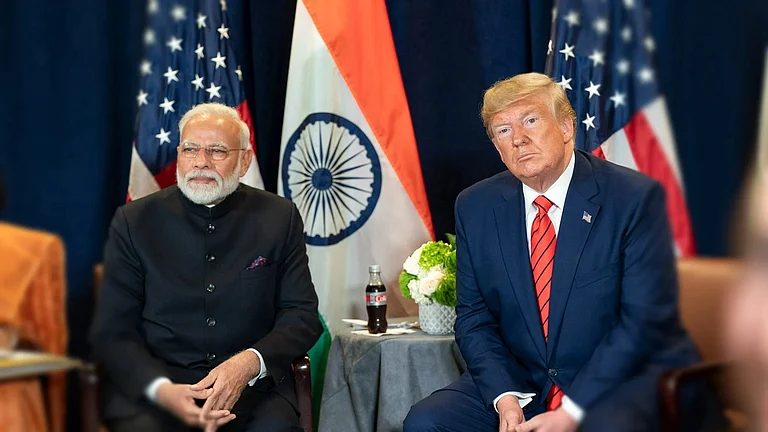
The move has prompted questions in strategic circles about what it signals for India's place in American foreign and defence policy, according to a report by the Times of India. The announcement came just hours before Prime Minister Narendra Modi met US President Donald Trump on the sidelines of the G7 summit, lending additional weight to a move many observers have described as highly symbolic.

1 September 2026
Get the latest issue of Outlook Business

What Is USPACOM?
USPACOM is one of six geographic unified combatant commands of the US Armed Forces. According to its official website, the command's area of responsibility covers roughly half the earth's surface, stretching from the waters off the west coast of the United States to the western border of India and from Antarctica to the North Pole.


It is the oldest and largest of the six geographic commands and is headquartered in Hawaii. It was established on January 1, 1947, by US President Harry S Truman and operated under the USPACOM name for over seven decades before the 2018 rename. Over the years, the command has played a role in several major military engagements, including the Korean War and the Vietnam War, as well as numerous humanitarian operations, according to a statement issued by the command on Tuesday.
Advertisement
The statement also described the command as having played a critical role in establishing the post-World War II regional security architecture in the Asia-Pacific.
Why Was It Renamed in 2018?
On May 30, 2018, during the first term of President Donald Trump, the command was renamed the US Indo-Pacific Command. The renaming was announced by then US Secretary of Defense James Mattis, who cited the growing strategic importance of the Indian Ocean region and what he described as the increasing connectivity between the Indian and Pacific oceans.
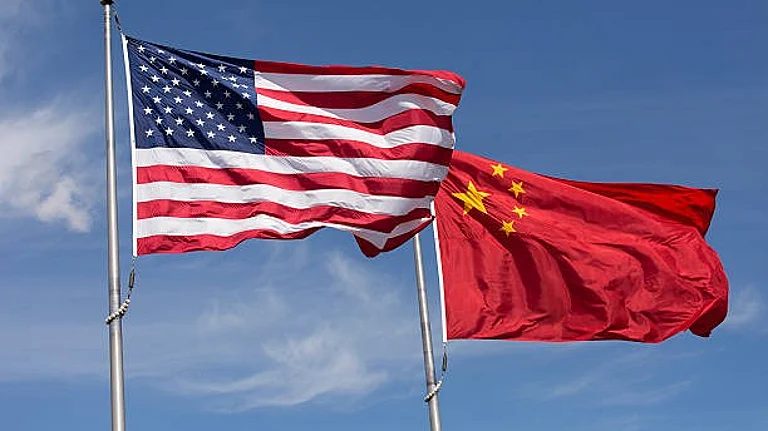
The 2018 change came amid rising tensions with China in the Indo-Pacific region. In his announcement, Mattis referred to China's Belt and Road Initiative, then known as the One Belt, One Road initiative and said the command stood for a region "open to investment and free, fair and reciprocal trade, not bound by any nation's predatory economics or threat of coercion." He also linked the rename to the 2018 National Defense Strategy, which he described as the first of its kind in a decade, saying it acknowledged Pacific challenges and signalled America's lasting commitment to the Indo-Pacific.
Advertisement
The inclusion of "Indo" in the command's name was widely seen at the time as a recognition of India's growing strategic importance to the United States and its role in maintaining a stable and open regional order.
Why Does the Latest Change Matter?
The Pentagon has sought to play down the significance of the latest renaming. In its statement on Tuesday, it said the command's "fundamental mission and its unwavering commitment to maintaining a free and open theatre alongside regional allies and partners are unchanged." It also clarified that the command's area of responsibility still extends to the western border of India and that nothing about the geographic scope of its operations has changed.
Trump separately sought to reassure India during his bilateral meeting with Modi. He told reporters that the United States would help India if the country were attacked and that bilateral ties between the two countries "could not be any better."
Despite these assurances, geopolitical analysts have pointed out that the name change could indicate a less combative US approach toward China in the near future, according to the Times of India.
The dropping of "Indo" from the command's title has also raised questions about the future of the Quadrilateral Security Dialogue, or the Quad, according to a report by the Indian Express. The Quad is a grouping of Australia, India, Japan, and the United States that was first initiated in 2007 and revived during Trump's first presidential term. It has been widely regarded as a diplomatic and strategic response to China's growing economic and geopolitical influence across the Indo-Pacific.
The renaming also comes months after the release of the US National Security Strategy in November 2025, which had indicated a possible realignment in American security priorities, particularly concerning the Indo-Pacific region. Taken together, these developments reportedly point to a broader shift in how Washington is approaching its strategic posture in Asia, though the full implications remain to be seen.