




Fuel prices rose ₹3 per litre; CNG up ₹2, may raise cabs, delivery costs
Uber and Ola users may feel impact first as CNG fares rise
Experts believe cab platforms may raise fares or add fuel charges
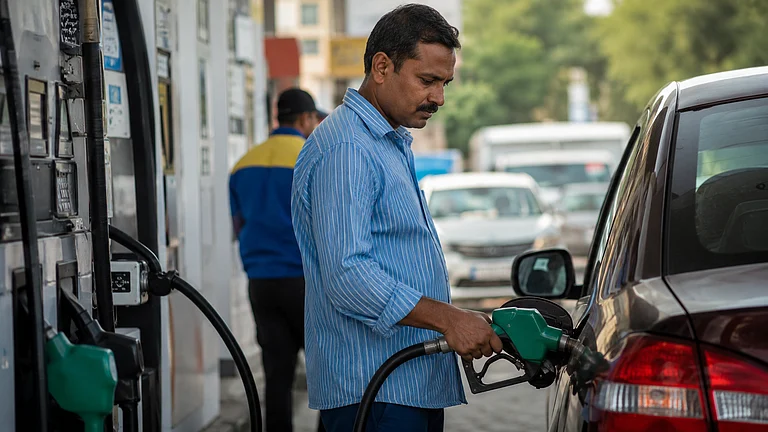
Petrol and diesel prices have increased by around ₹3 per litre, while compressed natural gas rates have risen by nearly ₹2 per kilogram in several cities. Although the hike may seem limited at fuel stations, its impact could soon reflect in cab fares, food deliveries and restaurant bills across urban areas.
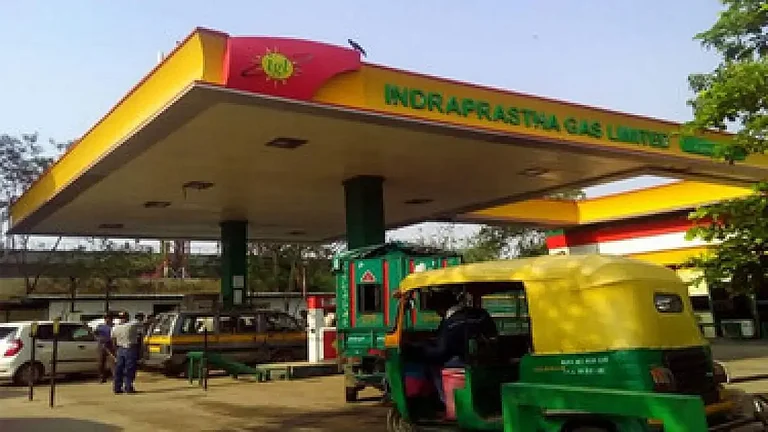
People using app-based cab services such as Uber and Ola for office travel may feel the impact first. A large number of taxis operating in metro cities run on compressed natural gas, which has become costlier after the latest revision. Drivers working on narrow daily earnings often react quickly because even a small rise in fuel expenses directly affects their take-home income.
Industry experts believe cab platforms may increase fares or add fuel charges if prices remain high for a longer period. For regular commuters taking two rides daily, even a ₹10-15 increase per trip could raise monthly travel expenses by nearly ₹600-900.

1 September 2026
Get the latest issue of Outlook Business

How Cab Fares May Rise
According to reports, auto-rickshaw passengers may also pay more in several cities. Drivers could charge extra for traffic-heavy routes, late-night travel and longer outstation rides, especially in areas where fare systems remain loosely regulated.
The increase may look small at first. However, repeated fare hikes through the month could gradually raise travel expenses for people who depend on autos daily for office travel and regular commuting.
Advertisement
The fuel hike may also affect online food and grocery deliveries. Riders working with Zomato, Swiggy, Blinkit and Zepto largely use petrol or compressed natural gas-powered two-wheelers for daily deliveries across cities.
Quick-commerce companies depend on fast deliveries and large rider networks for daily operations. With fuel costs rising, platforms may increase delivery fees or raise the minimum order amount needed for free delivery benefits.

How Delivery Costs May Rise
Restaurants may also begin feeling the impact of higher fuel prices in the coming weeks. Transporting vegetables, dairy products, edible oil and packaged items now costs more because most supply vehicles run on diesel across cities and nearby markets.
Advertisement
Many restaurant kitchens also depend on commercial gas or piped compressed natural gas connections for daily operations. As fuel and energy expenses rise together, operating costs for eateries and local food outlets could gradually increase over time.
Despite this, restaurants usually avoid changing menu prices immediately. However, several businesses eventually pass part of the additional burden to customers. Industry estimates suggest a meal priced around ₹400 today could rise to nearly ₹420-430 if fuel rates remain elevated.
The impact may also extend to grocery shopping and online retail deliveries because warehouses and transport fleets largely depend on diesel-powered logistics systems for daily movement of goods across cities.


Experts believe the combined rise across commuting, dining and delivery services could add nearly ₹300-500 to monthly household expenses, even without any major change in lifestyle or spending habits.









