Iran proposes Strait of Hormuz reopening, delaying nuclear negotiations with United States
Proposal risks weakening US leverage on uranium enrichment and nuclear concessions
Diplomatic talks stalled as Donald Trump cancels Islamabad meeting
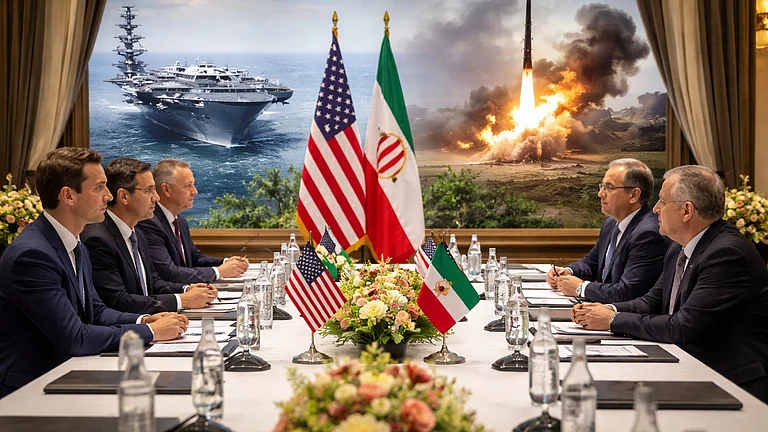
Iran has handed the United States a new proposal that would reopen the Strait of Hormuz and end the war without resolving the nuclear question first, a US official and two sources with knowledge of the matter told Axios.
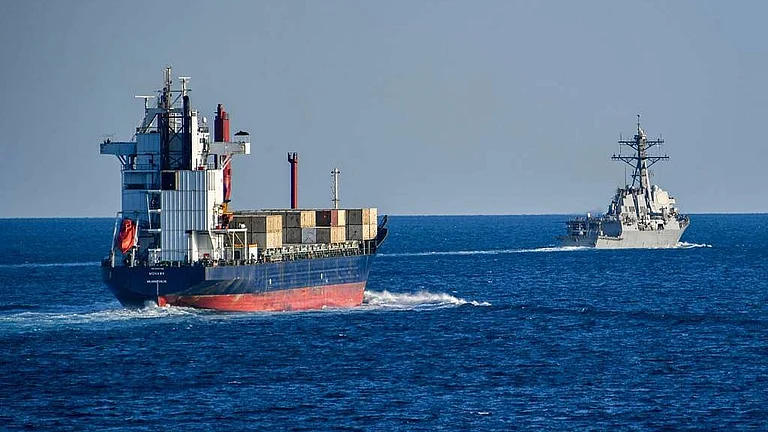
The logic of the Iranian proposal is straightforward bypass the nuclear impasse, open the strait, end the blockade, and deal with enrichment later. The difficulty, from Washington's perspective, is equally clear. Lifting the blockade and ending the war would hand back to Tehran the very leverage Trump is currently using to press for nuclear concessions.

1 September 2026
Get the latest issue of Outlook Business

Once the pressure is off, the incentive for Iran to suspend uranium enrichment — or to remove its stockpile from the country — diminishes considerably. Both remain the primary stated objectives of the US operation.
The White House has received the proposal. Whether it is willing to engage with it is, according to Axios, still unclear.
A Weekend of Stalled Diplomacy
The new offer emerged from a weekend of frustrating diplomatic activity that underscored just how stuck the negotiations have become. Iranian Foreign Minister Abbas Araghchi travelled to Pakistan, where the White House had announced that Trump's envoys Steve Witkoff and Jared Kushner would meet him in Islamabad. The Iranians were noncommittal, and Trump cancelled the trip.
Advertisement

"I see no point of sending them on an 18-hour flight in the current situation. It's too long. We can do it just as well by telephone. The Iranians can call us if they want. We are not gonna travel just to sit there," Trump told Axios.
Araghchi used his time in Islamabad to raise the bypass proposal with Pakistani, Egyptian, Turkish and Qatari mediators, making clear that there was no consensus inside the Iranian leadership on how to respond to US demands over enrichment. He then travelled to Muscat for talks with Omani officials focused specifically on the Strait of Hormuz, before returning to Islamabad for a second round. On Monday, he was expected in Moscow to meet Russian President Vladimir Putin.
Advertisement
What Trump Is Signalling
Trump, for his part, showed little inclination over the weekend to ease the pressure. In a Fox News interview on Sunday, he indicated he wanted to maintain the naval blockade choking off Iran's oil exports, banking on economic pain to force Tehran's hand in the coming weeks. "When you have vast amounts of oil pouring through your system... if for any reason this line is closed... what happens is that line explodes from within," he said, suggesting Iran had only days of capacity to absorb the pressure.
Trump was expected to convene a Situation Room meeting with his senior national security and foreign policy team on Monday to discuss the negotiating stalemate and potential next steps, according to three US officials.