
President Donald Trump suspended the US bombing campaign against Iran after military advisers reportedly concluded the operation had achieved its limits and raised concerns over dwindling resources.
Tehran said it remains in control of the Strait of Hormuz, denied seeking renewed peace talks with Washington.
Brent crude dropped nearly 8% as fears of supply disruptions eased, but tensions over navigation through the Strait of Hormuz and conflicting US-Iran interpretations of future transit arrangements continue to cloud the outlook.
Iran on Monday asserted that it remains firmly in control of the Strait of Hormuz and ruled out any immediate return to peace negotiations with the United States, despite President Donald Trump's decision to suspend a two-week military campaign against the country.
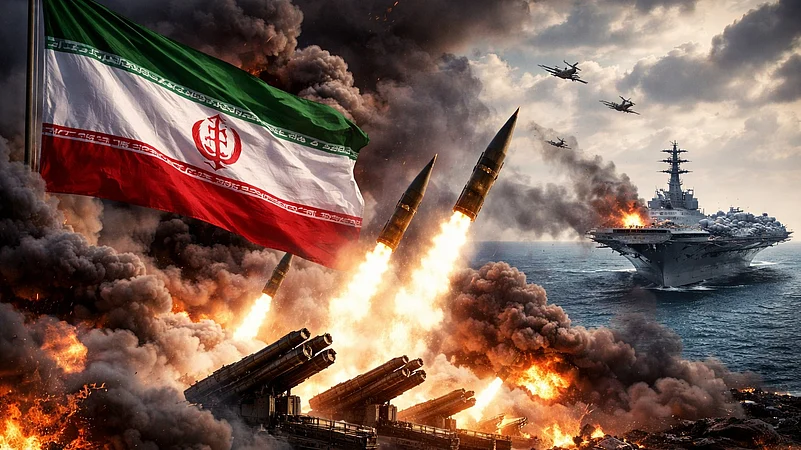
The pause follows 13 consecutive nights of escalating U.S. airstrikes that prompted retaliatory Iranian attacks on American military bases in the region. Tehran said it would refrain from further attacks as long as Washington maintains its suspension of bombing operations.

1 September 2026
Get the latest issue of Outlook Business

US Pauses Strikes After Military Advice
According to Reuters and multiple U.S. media reports, Trump's decision came after senior military officials advised that the campaign had largely exhausted its strategic objectives.
A U.S. official said commanders believed they were running out of viable military targets, while Chairman of the Joint Chiefs of Staff General Dan Caine reportedly raised concerns about dwindling air defense resources protecting U.S. bases across the region.
Advertisement
Although U.S. Ambassador to the United Nations Mike Waltz said the pause was intended to create space for diplomacy, Iranian Foreign Ministry spokesperson Esmail Baghaei rejected suggestions that Tehran had sought renewed negotiations with Washington.
Iran Reasserts Control Over Hormuz
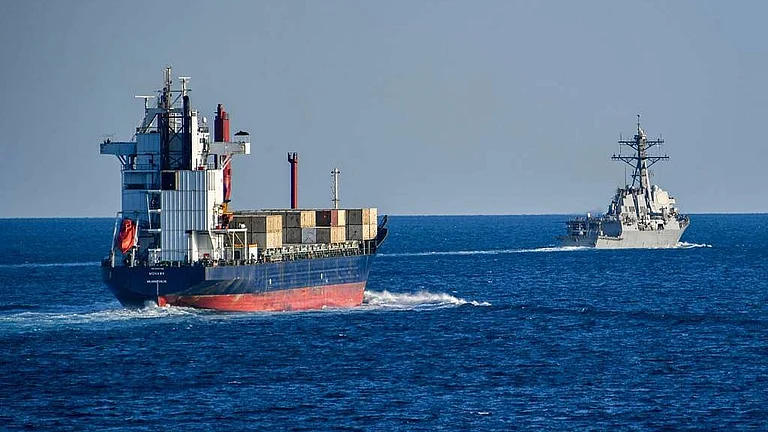
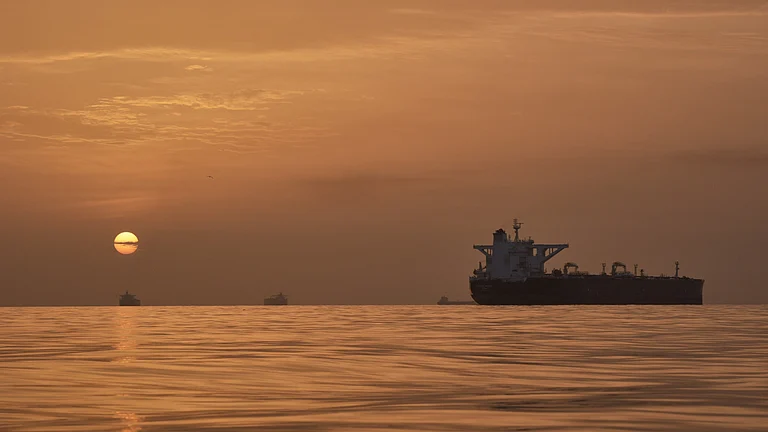
In a move aimed at reinforcing its position, Iranian state media reported that authorities had turned back six ships attempting to transit the Strait of Hormuz without authorization.
Citing an informed source, the reports claimed one vessel was involved in an accident and reiterated that only the shipping lane designated by Iran is considered operational.
The United States has encouraged commercial vessels to use a route closer to Oman's coastline, while Iran insists ships must pass through a channel nearer its own coast, where it intends to regulate traffic and levy transit fees.
Advertisement
Oil Prices Retreat, Diplomatic Questions Remain
The suspension of U.S. military operations eased concerns over global energy supplies, pushing Brent crude down nearly 8% to below $90 a barrel after briefly crossing the $100 mark last week.
The conflict has inflicted heavy losses on both sides. U.S. strikes reportedly damaged military installations and infrastructure across southern Iran, while Iranian retaliatory attacks killed four U.S. service members stationed at regional bases.
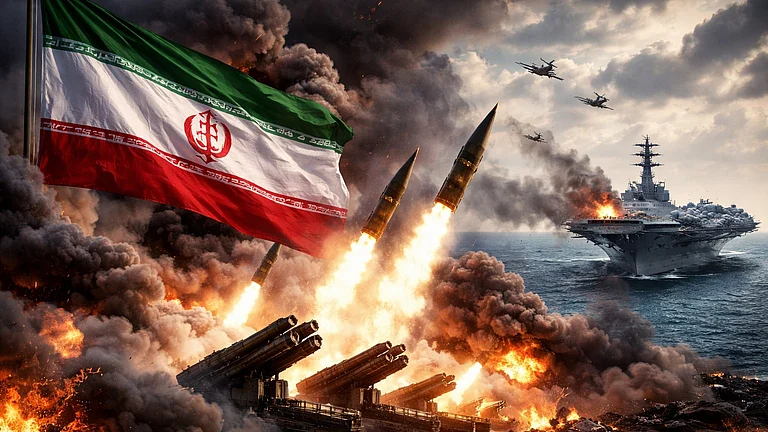
Tehran also targeted civilian infrastructure in Gulf countries, describing the attacks as retaliation for U.S. strikes.
Meanwhile, uncertainty continues over the future of the strategic waterway.
Although Washington and Tehran reached a framework in June for talks on Iran's nuclear program by the end of August, both sides remain divided over provisions relating to navigation through the Strait of Hormuz.

Iran is also pursuing discussions with Oman, which shares control of the waterway, while Gulf nations have intensified diplomatic consultations.
Israeli Prime Minister Benjamin Netanyahu is expected to meet Trump in Washington later this week as regional tensions remain high.