

Brent and WTI crude prices edged lower as reports of a proposed 10-day ceasefire between the US and Iran tempered fears of prolonged supply disruptions.
Military tensions remained elevated, with fresh US strikes on Iran, Iranian attacks on US assets, and a commercial tanker reportedly struck near the Strait of Hormuz.
Supply risks continue to loom after Yemen's Iran-backed Houthis announced a naval blockade on Saudi Arabia.
Oil prices edged lower on Tuesday as investors balanced renewed diplomatic efforts between the United States and Iran against escalating military tensions in the Middle East, including fresh attacks, threats to key shipping routes and growing concerns over global energy supplies, according to Reuters.
Brent crude futures fell 78 cents, or 0.9%, to $88.44 a barrel by 0415 GMT. U.S. West Texas Intermediate (WTI) crude declined 73 cents, or 0.9%, to $82.50 a barrel, while the more actively traded September WTI contract was down 41 cents, or 0.5%, at $82.07 a barrel.

1 October 2026
Get the latest issue of Outlook Business

Ceasefire Proposal Lifts Market Sentiment
Market sentiment was supported by reports that Tehran had received a proposal from international mediators for a 10-day ceasefire aimed at preserving the interim agreement reached on June 17 and creating space for broader negotiations.
A senior Iranian official told Reuters that the proposal seeks to prevent further escalation of the conflict, which began in late February following U.S.-Israeli strikes on Iran.
Advertisement
While the diplomatic initiative offered some relief to markets, there has been no official confirmation that either side has accepted the proposal.
Military Escalation Continues
Despite the diplomatic push, hostilities continued across the region. Overnight, the United States launched fresh strikes on Iranian cities, while Iran's Revolutionary Guards targeted U.S. military assets across the Middle East.
Later on Monday, U.S. Central Command confirmed that another round of military operations against Iran had begun, underscoring the fragile security situation despite ongoing mediation efforts.
Shipping Risks Remain in Focus
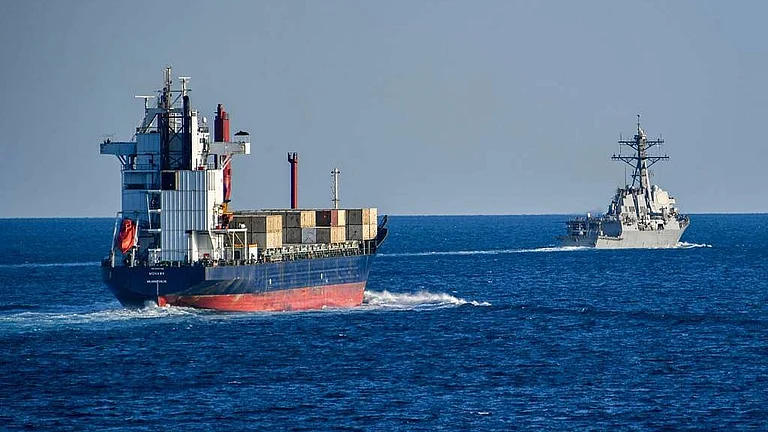
Energy markets also remained alert to growing threats to maritime trade. The United Kingdom Maritime Trade Operations (UKMTO) agency said a commercial tanker transiting the Strait of Hormuz was struck by an unidentified projectile, forcing the crew to abandon the vessel and evacuate into lifeboats.
Advertisement
The incident added to concerns over disruptions along one of the world's most critical oil transit routes, with vessel traffic through the strait reportedly declining amid heightened security risks.
Adding to supply concerns, Yemen's Iran-backed Houthi movement announced a naval blockade on Saudi Arabia, raising fears of further disruptions to Red Sea shipping and regional crude exports.



The latest developments have heightened uncertainty over global oil supplies even as diplomatic efforts continue to seek a temporary halt to the conflict, Reuters reported.