Fitch Ratings on Monday said the Iran conflict could raise additional challenges for some emerging market sovereigns in areas like energy imports, remittances and exchange rates.
On February 28, the US and Israel launched military strikes on Iran who retaliated with attacks on US positions in the region, as well as Israel.
In a report titled 'Iran conflict raises new credit risks for emerging market sovereigns', Fitch said more sustained disruption to global energy supplies from the Gulf than envisaged under its baseline could significantly damage global investor sentiment.

1 September 2026
Get the latest issue of Outlook Business

"We expect this would result in a stronger US dollar and weaken the market for debt issuance, particularly for highly speculative-grade issuers. Higher energy prices could put upward pressure on inflation, affecting monetary policy decisions globally," the report said.
Fitch said oil and gas imports are the most direct channel for contagion from the conflict, given its effect on global energy prices. For larger economies, like India, net fossil fuel imports are equivalent to 3 per cent or more of GDP.

"The Iran conflict could raise additional challenges for some emerging market sovereigns, through such channels as energy imports, remittances, fiscal subsidies, exchange rates and access to international finance," Fitch Ratings said.
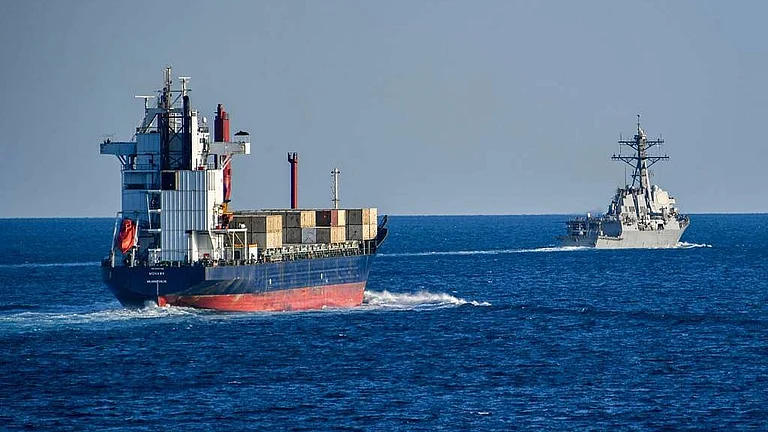
In the report, Fitch said the risks to emerging market ratings should be contained if the effective closure of the Strait of Hormuz lasts less than a month and major damage to the region’s oil production infrastructure is avoided.
Advertisement
But, a longer closure or more sustained effects could lead to a more substantial impact, it said, adding that vulnerabilities to higher import costs will be most acute in markets with already stretched financing capacity, such as Pakistan, or with significant current account deficits.
More protracted high energy prices could add to external strains facing these sovereigns, especially if other stresses emerge, for example, disruption to remittances.



"Prolonged higher energy prices would also increase fiscal strains for governments that have subsidy regimes designed to shield consumers, or that launch similar measures in response to higher energy prices," Fitch said.