Akasa Air is looking to raise around ₹1,050 crore through equity and debt.
The airline is seeking fresh capital after the Iran conflict disrupted flights and pushed up jet fuel prices.
Existing shareholders are expected to contribute a major part of the equity infusion, while the airline is also exploring government-backed credit support.
Akasa Air is looking to raise around ₹1,050 crore through a mix of equity and debt as it looks to manage financial pressures caused by the Iran conflict, according to a Bloomberg report.
The airline is planning to raise about ₹800 crore through equity and another ₹250 crore through debt. It has approached existing investors as well as two new investors for the equity funding and is also in talks with state-run banks for debt under a government-backed credit programme for airlines affected by the conflict.

1 October 2026
Get the latest issue of Outlook Business

The fundraising comes as airlines continue to deal with higher operating costs after the conflict in West Asia disrupted flight operations and drove up jet fuel prices, one of the biggest expenses for carriers.
Existing Investors to Lead Equity Infusion
The report said Akasa's existing shareholders are expected to contribute around ₹500 crore towards the proposed equity raise. The remaining amount is likely to come from one investor based in Asia and another from the United States.
The airline did not confirm its fundraising plans but said it would consider using the government's credit support scheme, if required, to support its future growth.
Advertisement
Akasa Air is owned by SNV Aviation. Its shareholders include founder and Chief Executive Officer (CEO) Vinay Dube, the family of late investor Rakesh Jhunjhunwala, a private equity fund managed by 360 ONE Asset Management and other investors.

Expansion Plans Continue
The proposed fundraise comes even as Akasa continues to expand its operations. The airline increased its flight capacity by 13.2% year-on-year (YoY) during March and April, even as overall industry capacity declined by around 6% during the same period.
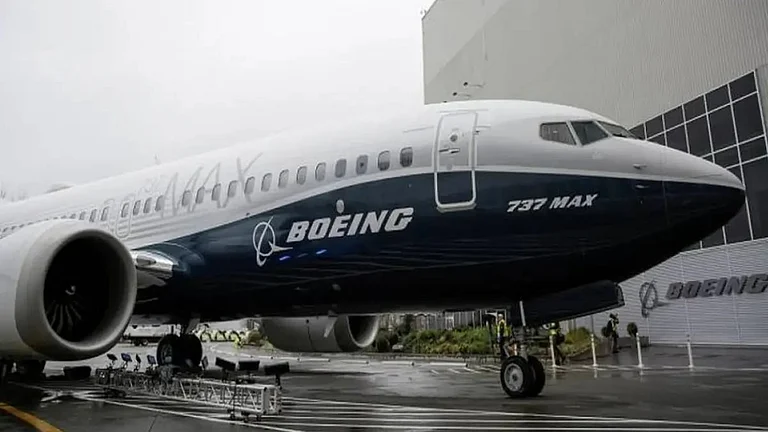
Akasa currently operates a fleet of 40 Boeing 737 MAX aircraft. Last month, the airline said its operating revenue rose 37% in the financial year ended March 31, supported by a 30% increase in available seat kilometres.
Advertisement
The airline has also outlined plans to increase capacity by another 30% during FY27. The report also noted that the fresh capital is expected to support these expansion plans while helping the carrier navigate rising costs and broader challenges facing the aviation industry.