
The US President expects the Strait of Hormuz to reopen soon following the US-Iran ceasefire, but several G7 leaders remain unconvinced about a quick return to normal shipping activity.
According to Bloomberg, officials expect vessel traffic through the strategic waterway to recover gradually due to security concerns and the presence of sea mines.
European leaders are exploring a framework for de-mining the strait and restoring maritime security, with more than 15 countries reportedly willing to contribute personnel and equipment.
US President Donald Trump has expressed optimism about the reopening of the Strait of Hormuz this Friday. The critical waterway, through which nearly 20% of global energy trade passes, has been at the centre of global concerns since the outbreak of the US-Iran conflict on February 28.
On Monday, Washington and Tehran announced that they had reached a ceasefire agreement, triggering a rally in global markets and easing crude oil prices.

1 September 2026
Get the latest issue of Outlook Business

However, according to a Bloomberg report, Trump's optimism is not widely shared among his allies.
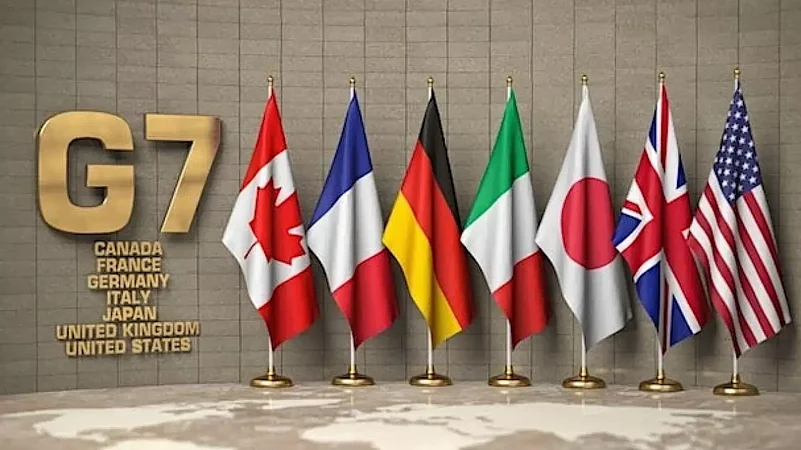
The report said discussions at the G7 Summit in Évian-les-Bains, France, revealed that several European leaders remain cautious about the prospects of a swift resumption of shipping through the Strait of Hormuz.
Western allies have raised questions about the specifics of the agreement and the practical challenges involved in reopening the route.
Officials are seeking greater clarity on the terms of the ceasefire before committing to de-mining operations and maritime security patrols, Bloomberg reported.
Advertisement
According to the report, differences have emerged among world leaders over the severity of the situation and the next steps required to restore normal shipping activity.
Some leaders are reportedly pushing for a joint communiqué outlining a coordinated approach.
Reflecting the cautious stance among European leaders, Italian Prime Minister Giorgia Meloni said Italy's participation in any future mission would depend on a broader cessation of hostilities in Lebanon.
Lebanon has also featured prominently in negotiations surrounding the conflict.
Iranian officials have called for an end to military operations targeting the Iran-backed militant group Hezbollah, while Israel has maintained that it will continue its campaign until the group is fully removed from the region.
Advertisement
Recovery in Shipping Expected to Be Gradual
According to Bloomberg, a US official said shipping traffic through the Strait of Hormuz is likely to recover only gradually. The official warned that it could take several weeks for vessel traffic to increase significantly and even longer to return to pre-war levels.
Apart from uncertainty surrounding the ceasefire, the presence of sea mines in the waterway remains a major obstacle, making navigation risky for commercial vessels.
Under the memorandum of understanding reached between Washington and Tehran, the strait would remain open toll-free for 60 days. The United States is expected to seek the inclusion of this provision in a final peace agreement.
Both sides are scheduled to formally sign the ceasefire agreement in Switzerland on Friday, with US Vice President JD Vance expected to represent the Trump administration.

G7 Discusses Framework for De-Mining Operations
In a separate Bloomberg report, G7 leaders were said to be considering a framework for de-mining the Strait of Hormuz, which would require cooperation from Iran and other regional stakeholders.
European leaders are expected to seek Trump's backing for the initiative during the summit.
"It would take a permanent ceasefire in order for Canada to come to the table," Canada's Foreign Minister Anita Anand told reporters in Ottawa on Monday.

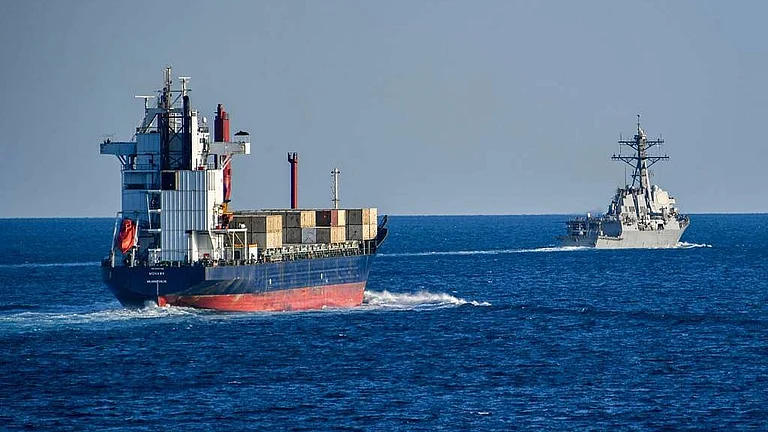
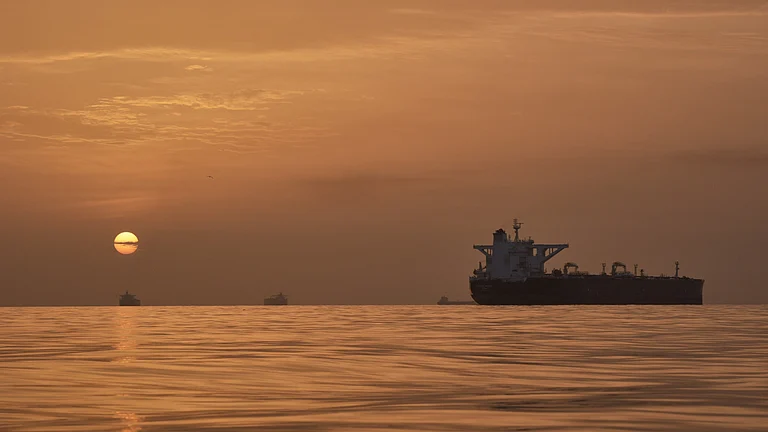
The exact number and location of sea mines in the strait remain unknown.
French President Emmanuel Macron and UK Prime Minister Keir Starmer have reportedly led efforts among US allies to develop a plan for reopening the waterway in the event of a lasting peace agreement.
According to Bloomberg, more than 15 countries have already committed personnel and equipment to a potential mission.
"It's a very important matter for peace, for the whole world, and it will reopen Hormuz," Macron said. "It will provide peace in Lebanon. We are ready to take our fair share of the burden and be part of the commitment of the international community."