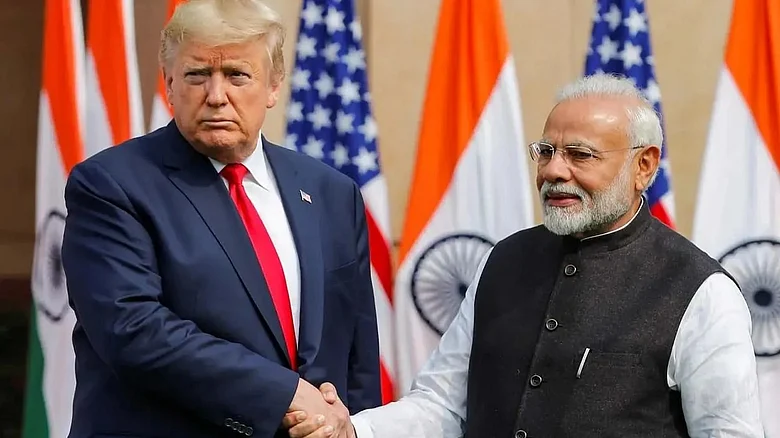
In a major development, Prime Minister Narendra Modi on Tuesday late evening held a 40-minute phone call with US President Donald Trump where the two leaders discussed the "situation in West Asia" and "stressed the importance of keeping the Strait of Hormuz open and secure."
Notably, this was the third conversation between PM Modi and President Trump in this year and the second since the war began in the West Asia.
"Received a call from my friend President Donald Trump. We reviewed the substantial progress achieved in our bilateral cooperation in various sectors. We are committed to further strengthening our Comprehensive Global Strategic Partnership in all areas. We also discussed the situation in West Asia and stressed the importance of keeping the Strait of Hormuz open and secure," said PM Modi on X.

1 October 2026
Get the latest issue of Outlook Business

US Ambassador Sergio Gor, in a separate statement, called the call “very productive” and asked everyone to “stay tuned!” for the outcomes.

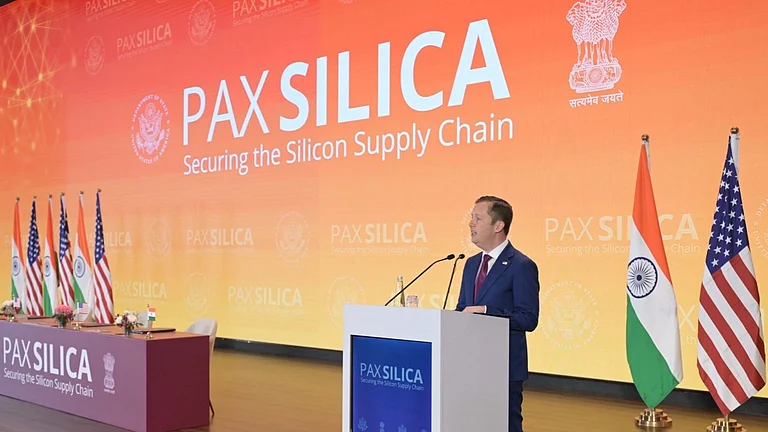
Earlier in the first such phone call between the two, PM Modi on March 24 said that he had received a call from Trump and had a “useful exchange of views on the situation in West Asia”.
The conversation comes at a critical juncture. Talks held in Islamabad last week aimed at easing regional tensions failed to yield any breakthrough, further complicating an already volatile situation.
Advertisement
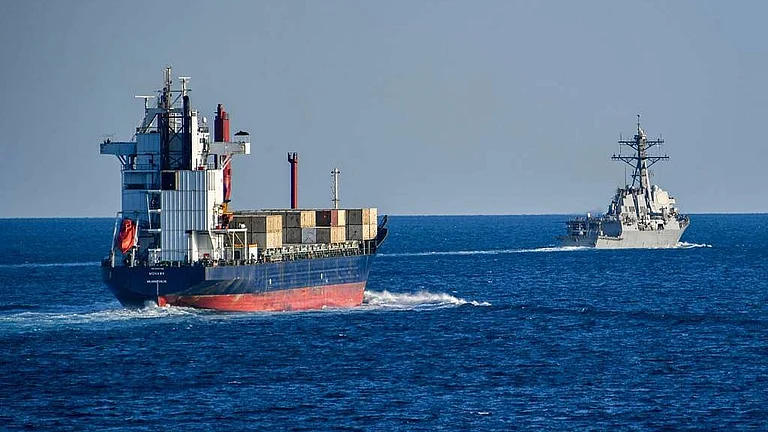
Adding to concerns, President Trump announced a naval blockade on Iran, which came into effect on 13 April.
The blockade is a part of Trump’s efforts to force open the Strait of Hormuz, (a vital artery for global energy supplies — raising alarm among major economies, including India, which relies heavily on energy imports passing through the route) despite the ceasefire. It is worthy to note here US allies in NATO have stood against the war initiated by US-Israel duo against Iran.
The political outreach also follows a recent visit by India’s Foreign Secretary Vikram Misri to Washington, where he reviewed the trajectory of India-US ties. His engagements are understood to have focused on deepening strategic cooperation, including in defence, technology, and energy security — areas now under renewed scrutiny due to the unfolding crisis.
Advertisement
At the same time, New Delhi has continued to maintain a careful diplomatic balance in its engagement with Iran. On April 13, Iran’s Ambassador to India, speaking at a press conference in New Delhi, described India as “one of our friends” and expressed gratitude for humanitarian assistance, particularly the supply of medicines.
Similarly, India also sent Minister of State for External Affairs Pabitra Margherita and senior MEA official Anand Prakash to attend the 40th-day mourning ceremony (Chehelum) of Iran’s late Supreme Leader Ali Khamenei, held at the Iranian Embassy in New Delhi on Saturday evening.
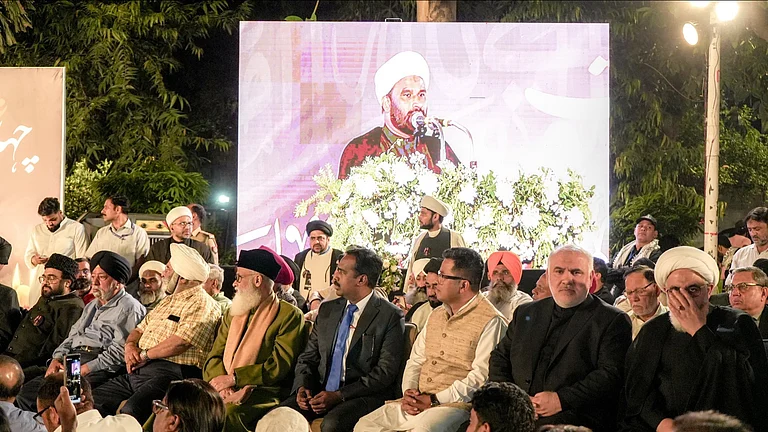
Prakash, who heads the Pakistan-Afghanistan-Iran (PAI) division in the Ministry of External Affairs, joined Margherita in offering condolences and “solemn respects” on behalf of the Government of India.
With the Strait of Hormuz emerging as a potential flashpoint and global energy markets on edge, India’s parallel outreach to Washington and Tehran reflects its attempt to safeguard national interests while advocating de-escalation.
The coming days are expected to test this balancing act further, as geopolitical tensions in West Asia show little sign of easing.