US-Iran ceasefire talks in Islamabad face delays over Lebanon and sanctions relief
Tehran demands the unfreezing of Iranian assets before starting formal diplomatic negotiations
VP JD Vance leads the American delegation to resolve the six-week war
The United States and Iran were set to hold high-stakes talks in Islamabad on Saturday aimed at ending their six-week war, but the negotiations were thrown into uncertainty after Tehran said discussions could not begin until Washington made commitments on Lebanon and sanctions relief, Reuters reported.
Iran reportedly said talks would only begin once the US fulfilled earlier pledges on unfreezing Iranian assets and supporting a ceasefire in Lebanon. Qalibaf added that Tehran was open to a deal if Washington offered a “genuine agreement” and respected Iran’s rights.

1 October 2026
Get the latest issue of Outlook Business

The US delegation, led by Vice President JD Vance and including special envoy Steve Witkoff and Jared Kushner, was travelling to Pakistan, while the Iranian side, led by parliamentary Speaker Mohammad Baqer Qalibaf and Foreign Minister Abbas Araqchi, had already arrived.

US-Iran Ceasefire Talks
The talks come amid continued tensions over the scope of the ceasefire and the broader regional conflict.
Donald Trump dismissed Iran’s leverage, saying it had “no cards,” while Vance expressed cautious optimism but warned Tehran against attempting to “play” the US Pakistani officials said preliminary contacts had already taken place through advance teams, and Islamabad was placed under heightened security ahead of the meeting.
Advertisement

Lebanon Conflict
The situation remains fragile, as the ceasefire has not halted parallel fighting in Lebanon, where Israeli strikes and Hezbollah rocket fire continue.
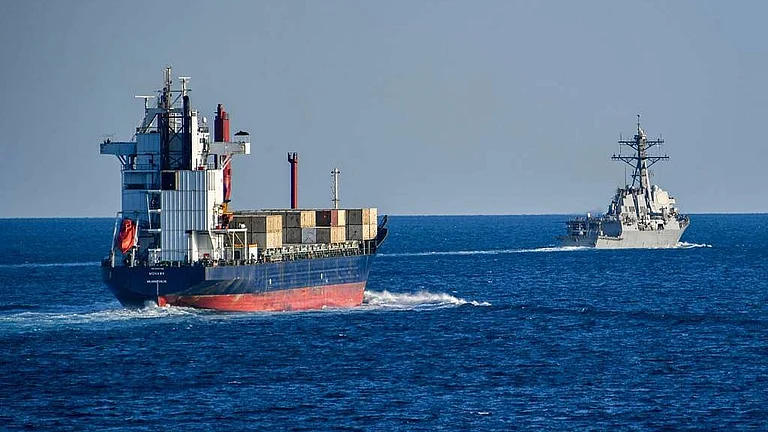
Iran is also pushing for major concessions, including sanctions relief and recognition of its strategic role over the Strait of Hormuz. The waterway remains central to negotiations, as Iran’s blockade has disrupted global energy supplies and contributed to inflationary pressures.
Despite the diplomatic push, the conflict has already caused significant military and political damage without fully achieving Washington’s objectives.
Iran has demanded compensation for wartime losses, while US officials are seeking a broader, long-term agreement that addresses not only the immediate ceasefire but also Tehran’s nuclear programme, regional military activities, and maritime security in the Gulf.