.jpeg?w=600&auto=format%2Ccompress&fit=max&format=webp&dpr=1.0)

BRICS is exploring payment-system linkages, including UPI-style fast payment networks
RBI Governor Sanjay Malhotra said international remittances can take hours or days to settle
India is also seeking to expand local-currency trade arrangements with other countries
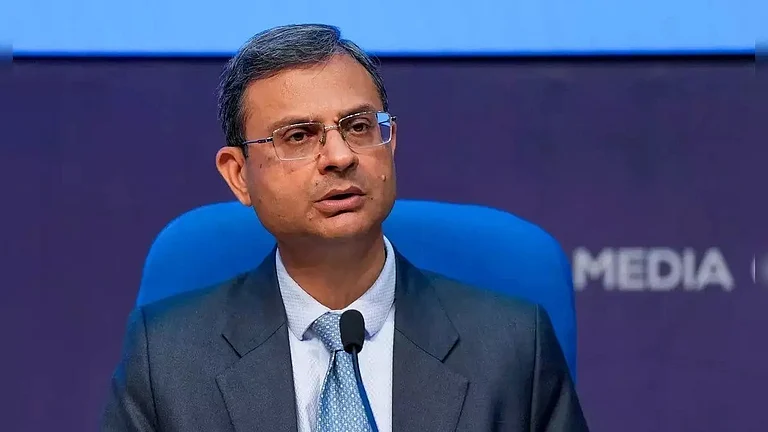
BRICS countries are discussing ways to connect their central bank digital currencies (CBDCs) and fast payment systems to make cross-border transactions quicker and less expensive, Reserve Bank Governor Sanjay Malhotra said on Tuesday.
Speaking at the annual Fibac event in Mumbai, Malhotra said cross-border payments remain a key area of interest for the BRICS grouping, particularly because there is significant scope to lower transaction costs and improve the speed of retail payments.

1 September 2026
Get the latest issue of Outlook Business

“There is a lot of work which is being done over there. And various methods, various options are on the table, but it is still at the discussion stage, including CBDC and linkages of fast payment systems,” he said, as per PTI.


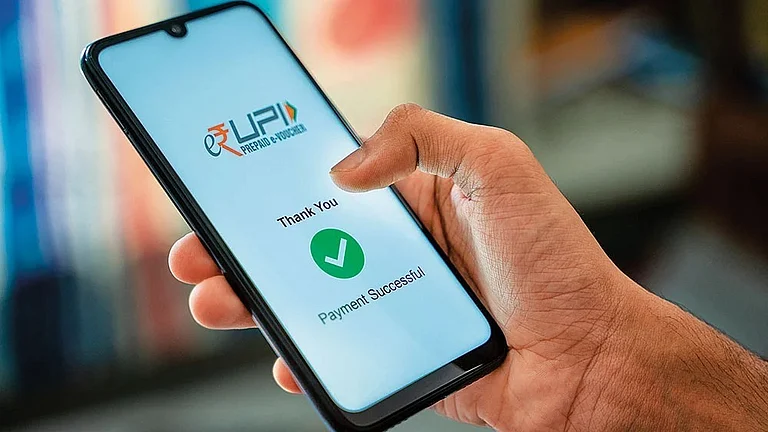
Malhotra pointed to India's Unified Payments Interface (UPI) as an example of how quickly domestic digital payments can be completed, contrasting it with the time taken for international remittances.
The RBI Governor said international remittance transactions can take hours or even days to settle, while a transaction through systems such as UPI is completed almost instantly.

Advertisement
Malhotra is scheduled to attend the first meeting of BRICS Finance Ministers and Central Bank Governors, which begins on Wednesday and will continue for three days.
India Seeks Wider Local-Currency Trade
The RBI is also working towards greater international use of the Indian rupee, with efforts under way to expand bilateral arrangements between central banks that facilitate trade in local currencies, Malhotra said.
India and the RBI currently have such agreements with four countries — Indonesia, the Maldives, Mauritius and the UAE. While trade settled in local currencies remains limited, Malhotra said the volumes need to increase.
Malhotra said geopolitical risks, including the West Asia conflict, could affect India's growth in the short term, but measures taken by policymakers could strengthen the economy over the longer term.
Advertisement
He cited steps such as diversifying energy and fertiliser supplies, reducing energy intensity, increasing ethanol blending, promoting electric vehicles, signing free trade agreements and encouraging capital flows.

He also identified trade and tariff-related tensions and cybersecurity threats as risks beyond the West Asia conflict. However, Malhotra said India's banking system remains well placed to deal with such challenges, citing strong capital buffers, lower bad assets and healthy profitability.
He added that India's broader macroeconomic position remains resilient, with inflation largely under control and foreign exchange reserves at comfortable levels.