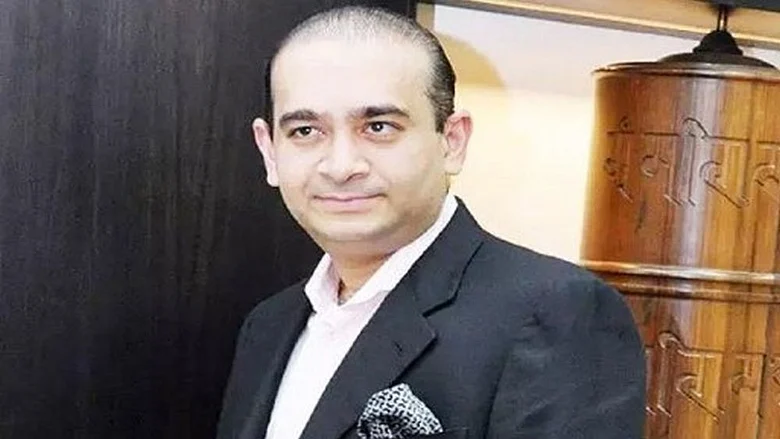

Fugitive businessman Nirav Modi has exhausted all legal options after losing his final appeal at the European Court of Human Rights.
British authorities have initiated the handover process, clearing the way for Modi's imminent extradition to India.
Modi has been held at Wandsworth Prison in London since his arrest by British police in March 2019.
Fugitive diamond businessman Nirav Modi is now set to be extradited to India after losing his final legal challenge at the European Court of Human Rights (ECHR), according to documents accessed by NDTV.
With this ruling, Modi has run out of legal options and only administrative formalities remain before the UK can proceed with handing him over.
Modi had approached the ECHR in April 2026, after failing to secure relief through UK courts. The Strasbourg-based court had granted anonymity to his petition at the time, a standard practice for cases still under consideration and had withheld details of the proceedings until a verdict was reached.

1 October 2026
Get the latest issue of Outlook Business

His decision to move the ECHR followed a setback at the UK High Court, which had denied him permission to contest his extradition. The court had ruled that India's assurances on prison conditions and treatment of Modi were sufficient. With the ECHR now dismissing his plea as well, the report cited diplomatic sources, who said no legal barriers remain to stop his extradition.




Advertisement
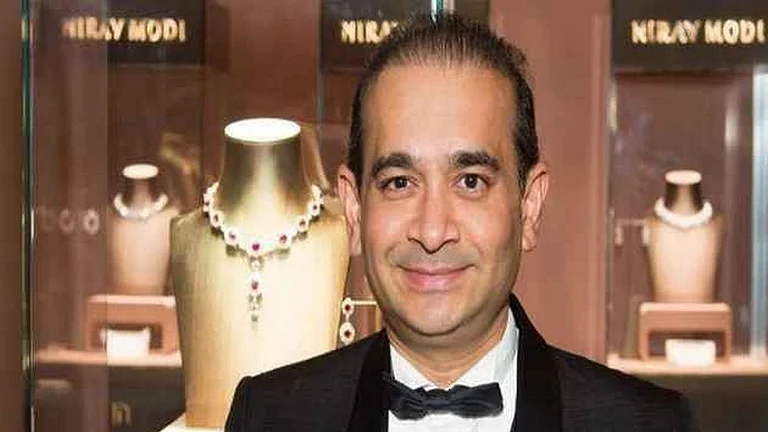
Where the Case Stands
UK authorities have already begun the handover process, and Modi's extradition could happen at any time, the report added. He has been in custody at Wandsworth Prison in London since his arrest in March 2019, wanted in India by the CBI and the Enforcement Directorate over the Punjab National Bank fraud and the subsequent money laundering case.
Notably, this is not the first time Modi has tried to stall proceedings. In March, the High Court of Justice, King's Bench Division, in London dismissed his bid to reopen the extradition case entirely.
Advertisement
That attempt rested on a legal precedent set in the case of Sanjay Bhandari, a defence middleman who had avoided extradition to India after arguing he risked torture there. The UK court had accepted Bhandari's argument and blocked his extradition on humanitarian grounds.
Modi tried to use the same defence, claiming he too would face torture if sent back. However, his argument did not hold up in court, with CBI officials playing a role in countering his claims.
Rejecting his petition, the UK High Court noted that Modi's case did not involve exceptional circumstances that would justify reopening the matter.