
India's auto retail sales rose 21.8% in June to a record 2.6 million units, led by a 28.6% jump in passenger vehicle sales
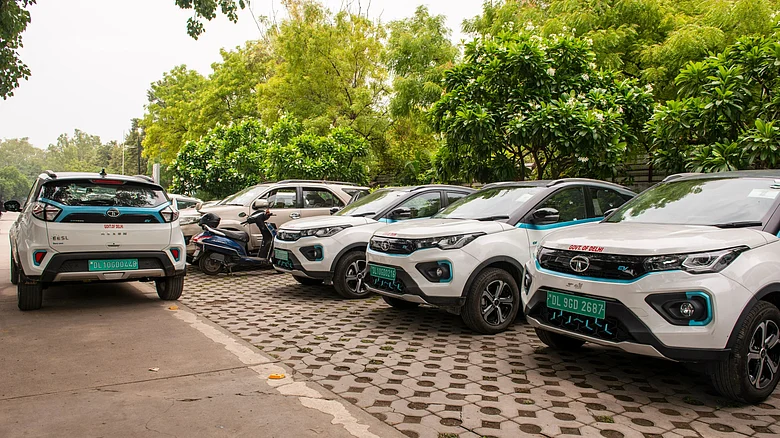
EVs, hybrids and CNG vehicles made up 40.35% of passenger vehicle sales as buyers sought lower running costs after fuel price hikes
FADA said it remains unclear whether the shift to alternative-fuel vehicles is a lasting trend or a short-term response to higher fuel prices
India's auto retail market grew significantly in June, with passenger vehicle sales rising 28.6% year on year to 410,853 units and overall vehicle sales climbing 21.8% to a record 2.6 million units, according to the Federation of Automobile Dealers Associations (FADA).
The key trend was the rapid transition to alternative fuels, as electric vehicles, hybrids, and CNG models accounted for 40.35% of passenger vehicle retail sales, up from about 38% previously. The increase came after higher running costs, as fuel prices were raised several times in May due to the US-Iran war.
Within passenger vehicle sales, CNG cars accounted for 24.3%, hybrids for 8.3%, and EVs for 7.8%. Meanwhile, in the two-wheeler sector, electric vehicles crossed a milestone as their share rose to 10.6% of total sales for the first time.

1 October 2026
Get the latest issue of Outlook Business

CS Vigneshwar, president of FADA, told Reuters, "We need to watch whether this is an emotional knee-jerk reaction from customers or whether this growth is here to stay."
Advertisement
Amid the increase in sales and current consumer behaviour, it is difficult to say whether the shift is natural or circumstantial.
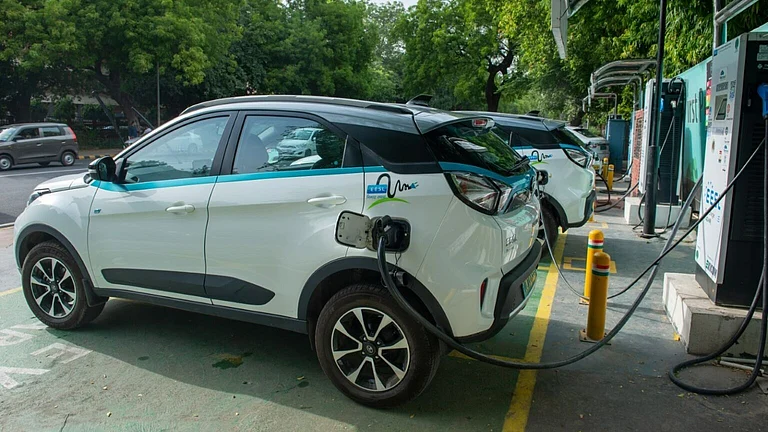
The manufacturers have also shown response as the demand spiked.
Maruti Suzuki said last month, that bookings for its CNG cars had jumped 40% after the fuel price hikes.
This indicates that buyers are shifting to lower operating-cost options.


The trend suggests the current market may be less about enthusiasm for alternative technologies and more about value-seeking behavior shaped by sudden change in fuel economics.
Subsequently the industry’s outlook is not without caution.
Advertisement
Despite the worst of the crude shock and supply chain disruptions seemed to be over, a return to complete normalcy could still take “a few quarters” and may involve some cost implications, said FADA Chief.