
The Centre has asked major airlines to share route-wise average fare data for Dec 1–15 as antitrust authorities probe price spikes after IndiGo’s meltdown.
The data request, routed through the DGCA at CCI’s behest, aims to assess airfare trends during disruptions when IndiGo cancelled around 4,500 flights.
The crisis was linked to new pilot rest rules under FDTL norms, with IndiGo later cutting capacity and facing over ₹500 crore in refunds.
The Centre has asked IndiGo, Air India, Air India Express, SpiceJet and Akasa to provide data on average fares charged between the period of December 1-15, 2025. This comes as the antitrust authorities are investigating travel disruptions during the same period which was caused after IndiGo's operational meltdown, Reuters reported.
The Directorate General of Civil Aviation (DGCA) has written to the airlines seeking data on average ticket fares by route, including both economy and premium economy seats, for the specified period, according to a Reuters review of a January 1 government email sent to the carriers.

1 September 2026
Get the latest issue of Outlook Business

The information has been sought at the request of the Competition Commission of India (CCI) to help assess airfare trends across airlines during the disruption period, which saw IndiGo cancel thousands of flights. The email also asked airlines to share fare details for routes affected by the meltdown, the report added.

Advertisement
Earlier reports also mentioned that CCI is reviewing a complaint by a passenger who accused IndiGo of cancelling flights and then offering seats at much higher prices, amounting to abuse of its dominant market position.
The government had earlier imposed temporary caps on ticket prices as fares of certain airlines surged during the crisis.
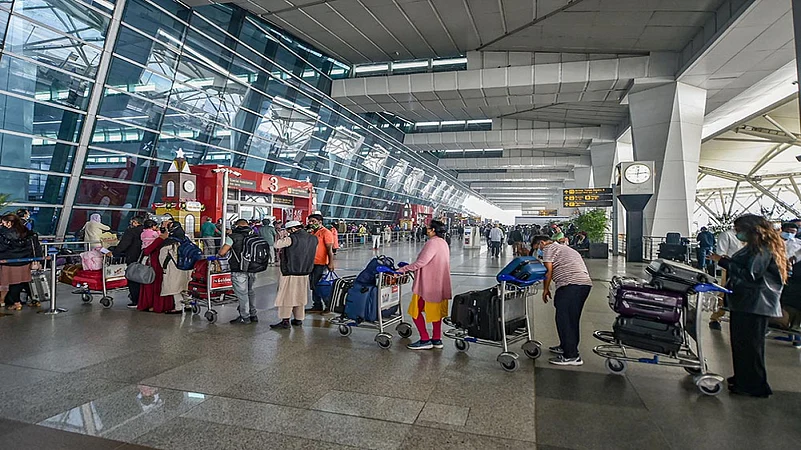
The IndiGo situation was one of the most significant airline crises in the country. Its operational issues forced it to cancel around 4,500 flights in the first week of December and leaving hundreds of thousands of passengers stranded across multiple airports.
Advertisement
The meltdown has been linked to the implementation of new FDTL rules, which came into force on November 1. These rules increase mandatory rest periods for pilots, limit night-time flying duties, and require at least 48 hours of rest each week.
IndiGo reportedly did not fully adjust its crew scheduling systems to comply with the stricter rules, resulting in a shortage of available pilots.
After the crisis, the aviation regulator began its investigation and had instructed the airline to trim its winter schedule by 10%. IndiGo later acknowledged the impact of the disruptions and according to an earlier report by Reuters, the airline will pay over ₹500 crore to customers as refunds, compensation, and other costs related to the cancellations.