The Middle East conflict has triggered the largest oil supply disruption in history as shipping through the Strait of Hormuz has essentially stopped, removing 20 million barrels per day (mbpd) from global markets, with crude prices soaring past $100 per barrel.
In response, the International Energy Agency has agreed to release a record 400mn barrels from emergency reserves. However, the agency warns that supply-side actions alone cannot bridge the gap created by the regional instability. The disruption is more severe than the 1973 oil shock, with Gulf nations cutting production by 10 mbpd as storage fills up. Refined products like diesel, jet fuel and liquefied petroleum gas are particularly scarce.
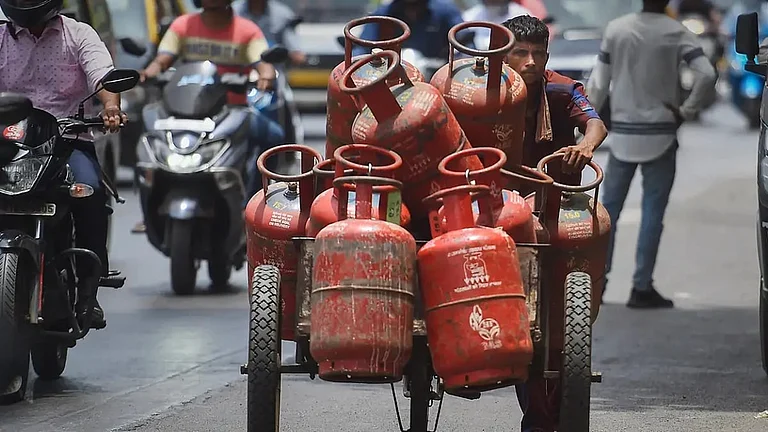
For the 2.3bn people in Asia relying on cooking gas, this shortage poses a direct threat to basic needs. While resuming transit through the Strait remains the only permanent solution, immediate demand-side measures are now essential for global energy security.

1 September 2026
Get the latest issue of Outlook Business

Governments are scrambling to protect vulnerable citizens from the bruising effects of these price spikes. About 40 countries have already launched emergency measures, including price caps, fuel subsidies and temporary tax reductions. These efforts provide an immediate shelter for households struggling with rising bills. The crisis is forcing unprecedented global policy shifts.
Advertisement
Global Demand Reduction Strategies
The IEA has detailed ten options to immediately reduce consumption and lower household costs. Promoting remote work is a primary recommendation; adding three work-from-home days could cut car oil demand by up to 6% nationally.
According to reports, Pakistan and the Philippines have already mandated four-day workweeks for government staff to conserve fuel. Additionally, reducing highway speed limits by 10 km/h can save individual drivers up to 10% on fuel.
In cities, alternating road access based on number plates and encouraging public transport use are being implemented to ease the strain. Korea is currently evaluating a vehicle rotation system to limit car usage during the peak of this crisis.
Advertisement
In addition to transport, the IEA advised switching to electric cooking to preserve dwindling LPG supplies for those with no alternatives. Indonesia and India are already accelerating programmes to distribute induction stoves. Industrial facilities are also being urged to optimise efficiency and switch feedstocks where possible.


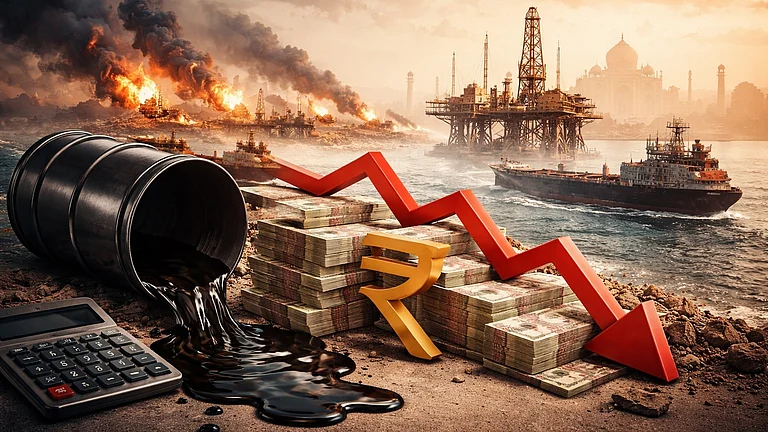

While these short-term fixes provide a temporary shelter, the IEA stressed that long-term resilience requires structural changes like accelerating electric vehicle adoption and improving fuel economy standards. The current global crisis serves as a stark reminder of the urgent need for enhanced energy security and diversified supplies. The agency will monitor global markets closely during these turbulent times.