
Heatwaves drive record power demand as AC usage surges across India.
Peak demand hits 256.1 GW, double early 2010s levels, Bloomberg reports.
Cooling demand may triple by 2035, adding major stress on power grid.
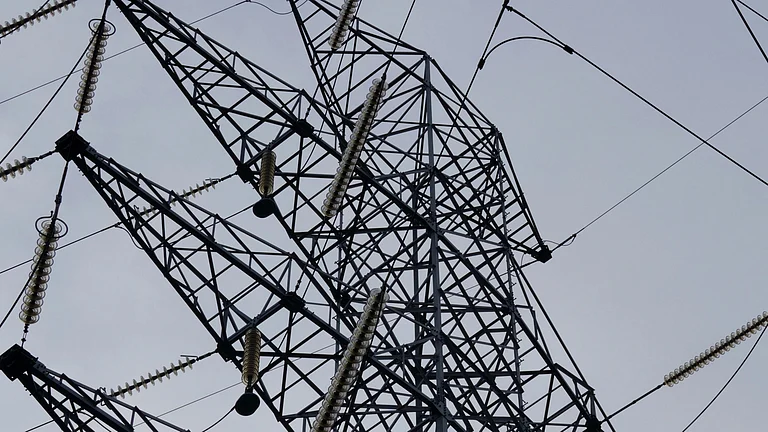
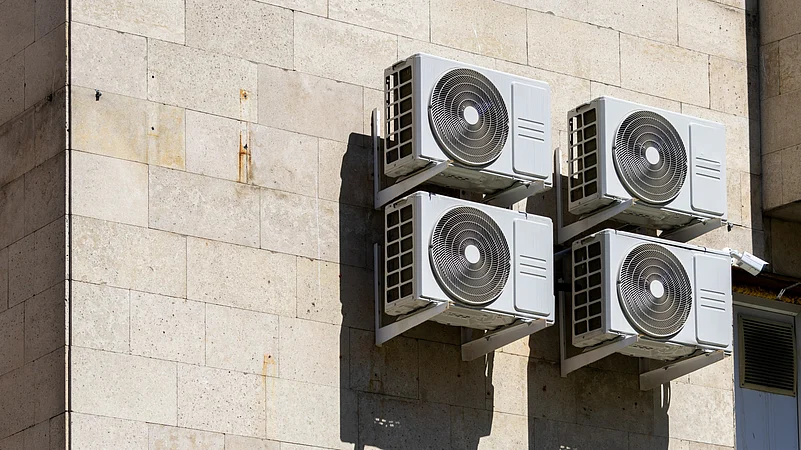
Heatwaves in India have elevated the electricity demand last week, as tens of millions of air conditioners have been running in homes, offices and institutions to keep a check on the intolerable rising temperatures.
According to Bloomberg, the power generation hit an all-time high of 256.1 gigawatts mid-afternoon on April 25. That’s about double the peak level in the early 2010s and the hottest months of the year are yet to come.

1 September 2026
Get the latest issue of Outlook Business

In 2006, there were just two million AC units in the entire country. Only 10% of homes have one installed at present. With incomes rising and temperatures soaring the scenario is transitioning fast. In 2025, 15.4mn air conditioners were sold and volumes will almost double the 28mn by 2030.
All those units are putting immense pressure on the grid. Already, cooling is pulling about 50 GW of electricity at peak times. By 2035, that could rise to 180 GW.
Accommodating the rise of Indian air conditioners over the coming decade will require twice as much generation capacity as will be needed for new US data centers.
Advertisement

Can Propane Ease Cooling Demand?
Tweaking AC design could reduce power consumption along with emission of climate-warming gases. About three-quarters of the electricity is required to get the same cooling effect from a unit using propane, relative to one using R32, Bloomberg reported citing a 2024 study by Indian researchers.
That lowers costs for households, as well as helping grid managers cope with the growth in AC usage. Just switching gases could reduce peak electrical demand in 2035 by tens of gigawatts, equivalent to all the power stations in Switzerland or the Philippines.
Advertisement
The barrier standing between adoption of propane as a AC refrigerant is because it is highly flammable and standards in India have enabled the use of this gas only in limited quantities which is not enough to control the intense heat of the South Asian summer.
A 2022 rules revision at the international standards body for such devices tripled the amount that could be used, sufficient to turn propane from a niche to a mass-market refrigerant. But though the European Union and China are already switching at speed, India is only gradually switching from the older, more restrictive standard.