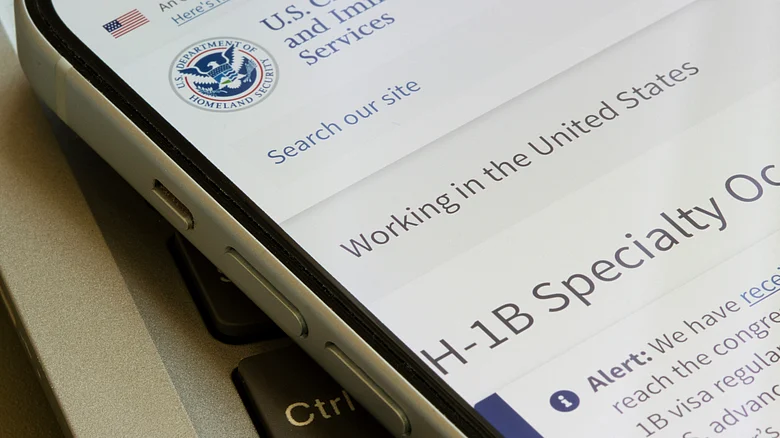

The Trump administration plans sweeping changes to H-1B visas, Green Cards, OPT and H-4 work permits
Green Card wage thresholds could rise, while stricter rules may apply to H-1B outsourcing and third-party placements
Indian professionals, students and H-4 spouses are expected to be among the most affected if the proposals take effect
The Trump administration is preparing to introduce immigration rule changes that would raise H-1B third-party placement standards, increase Green Card wage thresholds from the 17th to the 34th percentile, end the duration-of-status system for international students, restrict Optional Practical Training (OPT) pathways, and limit automatic work authorization extensions for H-4 spouses.
The upcoming set of measures would collectively mark the most comprehensive tightening of the US immigration system in years.
The proposed changes are outlined in the Unified Regulatory Agendas released by the Departments of Homeland Security, Labor, and State.

1 October 2026
Get the latest issue of Outlook Business

Currently, none of the measures has taken effect.
Indians account for the largest share of H-1B visa holders, Green Card applicants, and international student enrolments in the US.
The combined impact is expected to be significant if the new changes take effect from August.
Third Part Placements and Fees at Risk
A DHS rule expected to be published in August would leave the 85,000-unit annual H-1B cap unchanged but tighten exemptions available to universities and research organisations and impose stricter employer-employee relationship requirements for third-party client-site placements.
Advertisement
The model is central to Indian IT and consulting firms and would trigger enhanced scrutiny of employers with prior violations.
Meanwhile, a supplemental fee currently covering initial petitions and employer changes would be extended to extension applications, affecting companies with more than 50 US employees where over half the workforce holds H-1B or L-1 status. The clause disproportionately impacts businesses that focus on outsourcing.

Rising Cost for Green Card
The Department of Labor is revising current wage levels for H-1B and PERM labour certification cases, which would raise the entry-level benchmark from the 17th to the 34th percentile.
Advertisement
Meanwhile, higher wage tiers would also increase, raising the minimum salary threshold employers must meet to sponsor foreign workers.
Additional PERM changes covering recruitment standards, layoffs of American workers, and anti-discrimination provisions are also planned. Consequently, the upcoming changes would make existing Green Card pathways significantly more difficult and expensive to pursue.

Students Lose “Duration of Status”
India sent 3.6 lakh students to the US in 2024–25, making it the single largest source of international students. The DHS plans to replace the existing "duration of status" system, which allows students to remain in the US as long as they meet programme requirements.
Under the proposed amendments, students would receive fixed-period stays, requiring them to apply for extensions once the approved period expires.
A separate proposal, expected in February 2027, would restrict both the two-year STEM Optional Practical Training (OPT) extension and Curricular Practical Training (CPT), the most commonly used pathways for Indian students to gain work experience in the US after completing their degrees.
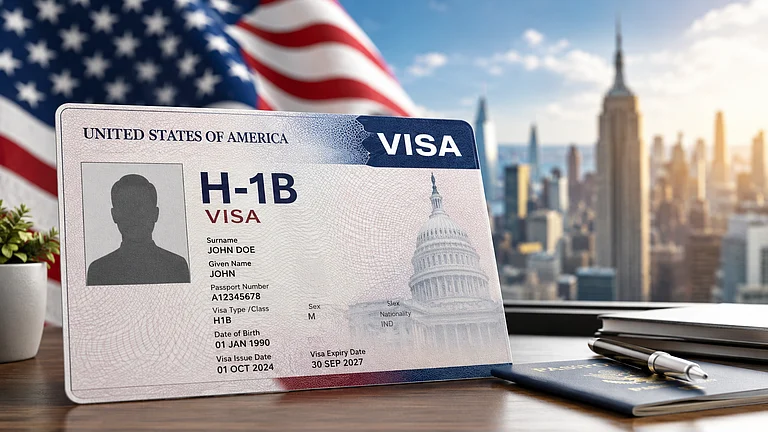
H-4 Spouses May Face Work Gaps
The most immediate consequential change would be a final rule, expected this month, ending automatic Employment Authorization Document (EAD) extensions introduced under an October 2025 interim rule.
H-4 holders, who predominantly comprise Indian spouses of H-1B workers caught in EAD renewal backlogs, could temporarily lose work authorization if renewal processing is delayed, even when applications are filed within the 180-day window.
The proposals are still in the regulatory pipeline and have yet to take effect, but together they signal a broader shift towards tightening employment-based immigration.

If implemented, the amendments would reshape hiring practices for US employers while raising compliance costs and creating new hurdles for skilled foreign workers, especially Indians, who account for the largest share of H-1B visa holders and a significant portion of the international student cohort.