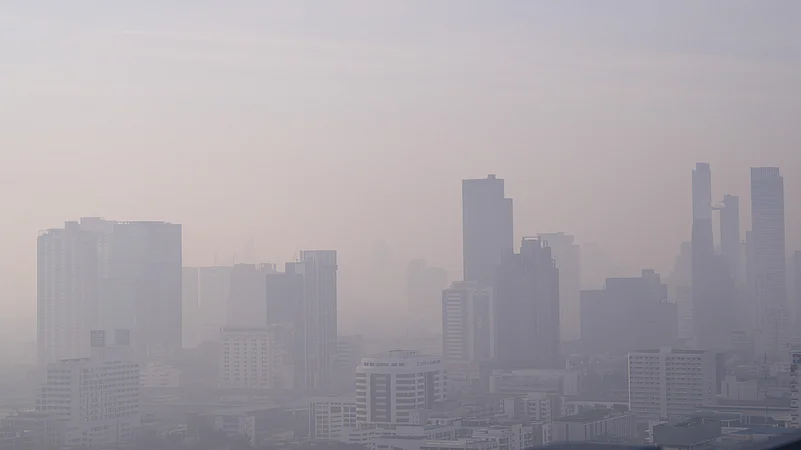

Global air quality worsened in 2025, with fewer cities meeting WHO standards.
Wildfires and fossil fuel pollution drove rising PM2.5 levels across regions.
Air pollution continues to strain economies, productivity and public health systems globally.
Global air quality declined in 2025, with more cities falling below international health guidelines due to severe wildfires and seasonal pollution from sectors including fossil fuels and agriculture.
According to the IQAir report released on March 24, data from 9,446 cities showed that only 14% of global cities met the World Health Organisation standards for annual average concentrations of harmful fine-particle matter, or PM 2.5.

1 September 2026
Get the latest issue of Outlook Business

That was down from a total of 17% in 2024 when nearly 9,000 cities were surveyed.
The “productivity of a whole future generation will be linked” to air quality, said Frank Hammes, IQAir’s global chief executive officer told Bloomberg. “We know that air pollution reduces IQ, we know that air pollution reduces the ability of physical labour, and we know that air pollution ultimately will cost the health system as people need medical attention and drop out of the labour force,” added Hammes.

Wildfires played a primary role in the decline last year, with record emissions from incidents in Europe and Canada.
The World Bank said in a report last year that outdoor air pollution killed about 5.7mn people in 2020 and costs the economy between $4.5trn and $6.1trn each year, which is up to 6.5% of the world's gross domestic product. Some countries, like China, are making air quality standards stricter, but the US is rolling back rules that the Environmental Protection Agency thinks are making things more expensive and limiting consumer choice.
Advertisement
The world’s 25 most polluted cities were all located in India, Pakistan and China, where industrial emissions, vehicle exhaust, dust storms and crop burning contributed to poor air quality, stated the IQAir report. India is home to three of the four most polluted cities in the wold. Some of the worst November and December conditions in years in northern India posed a more serious risk to the nation’s economy than trade tariffs, former International Monetary Fund official Gita Gopinath, told the World Economic Forum in Davos in January.
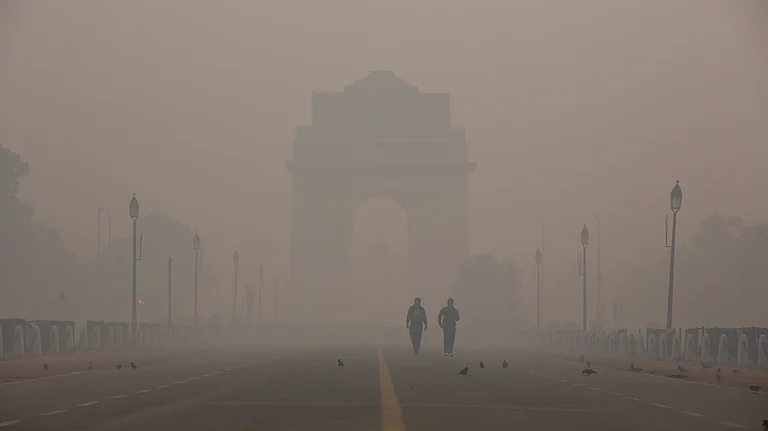
Health and Economic Fallout
Recent estimates highlight the mounting economic burden of polluted air. A 2025 report by the World Bank revealed that air pollution results in losses equivalent to nearly 5% of global GDP, caused by reduced productivity, rising healthcare costs and shorter life expectancy. In South Asia’s most polluted belt, the impact is even sharper, with losses reaching around 10% of regional GDP, reflecting severe exposure levels and labour impacts.
Advertisement
To help countries operationalise solutions, the December 2025 World Bank report emphasised the adoption of “Four I’s”. This includes ‘Information’ that provides accessible and reliable data for planning and accountability; ‘Incentives’ that encourage behavioural and investment shifts toward cleaner options; ‘Institutions’ that coordinate action, ensure compliance and link national and local implementation; and ‘Infrastructure’ that enables clean energy, transport and waste systems along with modern and efficient industrial operations.