

India delays coal flexibility plan over costs, compensation and operational concerns.
Solar output curtailed as coal plants struggle to adjust generation levels.
Retrofitting costs, policy gaps and risks stall transition to flexible coal operations.
India has delayed its plan to reduce output from coal power by one year because the country has not been able to figure out how to compensate for the higher costs entailed in retrofitting, reported Reuters.
Reason Behind Delay
Analysts told Reuters that lack of flexible generation of coal power as India expands renewable capacity threatens to waste green investments, swell compensation costs and boost emissions from greater coal use that could otherwise have been avoided.
The move comes at a time when the world’s second largest user of coal is curbing solar output for lack of dedicated transmission lines, while coal-fired capacity wrestles with operational constraints.


1 September 2026
Get the latest issue of Outlook Business

Solar power generators told to cut output as India’s coal plants could not ramp down could get compensation of as much as $76mn for the eight months ended December, energy think-tank Ember estimated, a cost that will be passed on to consumers.
Government officials blamed the delay of a year on the absence of rules to compensate coal plants for higher costs of maintenance and retrofitting needed to cut the minimum use rate to 40% from 55%, the minutes of a January 16 meeting showed.
Advertisement
Retrofitting coal plants could increase tariffs by as little as ₹0.28 to ₹0.60 per kilowatt-hour, versus ₹5.76 to ₹6.04 for battery storage, making flexible coal at least 10 times cheaper, the Central Electricity Authority (CEA) said at the meeting.

Coal Transition Faces Hurdles
Unveiled in 2023 with its first phase making slow progress, the plan is less ambitious than efforts by China, which last year cut the minimum coal plant utilisation rate to a range of 25% to 40% from 50% to 60% to boost renewables use.
Indian state coal plant operator NTPC warned the January meeting against "accelerated wear and tear of critical equipment" that stems from operating at minimum loads of 40%.
Advertisement
NTPC urged "detailed studies" on ways to cut use to avoid such damage, adding that its new project contracts included the 40% requirement.
But CEA officials responded that other countries' coal plants running at lower levels of output have been shown to operate safely if properly retrofitted.


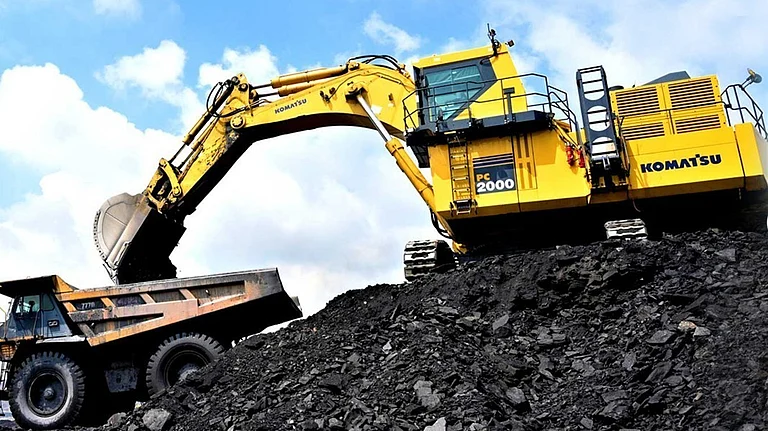
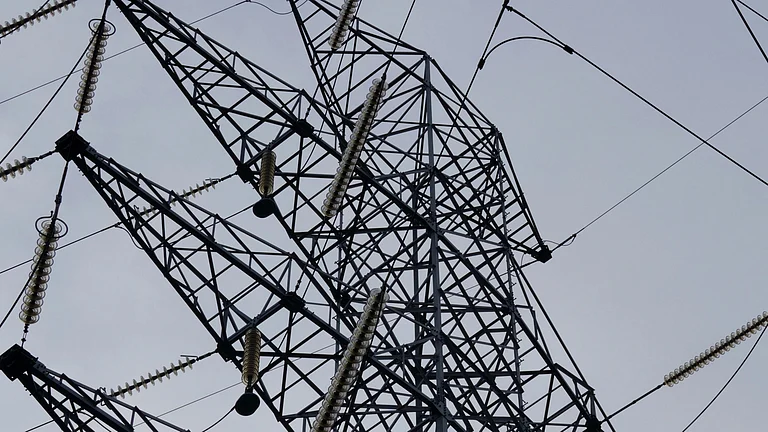
The federal regulator has yet to approve the higher maintenance costs proposed by CEA, citing lack of operational data, the agency's presentation showed.
Reuters further reported that the senior officials of the power ministry, CEA, the federal regulator, the grid operator, NTPC and industry lobby group Association of Power Producers agreed to study the impact of the plan based on latest cost estimates.