




The Fed’s latest pause leaves its benchmark rate at 3.50-3.75%, yet its hawkish projections and dot plot indicate a prolonged higher-rate cycle
Stance strengthened the dollar, pressured emerging-market currencies like the rupee, and tightened global financial conditions
India’s central bank is expected to remain guided mainly by domestic economic data
The US Federal Reserve left its benchmark interest rate unchanged at 3.50-3.75% on June 17, marking the fourth consecutive policy pause. However, the central bank's latest projections and communication under new Chair Kevin Warsh signalled that borrowing costs could remain elevated for longer than markets had anticipated.
The Federal Open Market Committee (FOMC) said that US economic activity continues to expand at a solid pace, supported by strong productivity growth and capital investment. The Fed noted that inflation remains above its 2% target, partly due to supply-side pressures and higher energy prices linked to the Middle East conflict.

1 September 2026
Get the latest issue of Outlook Business

However, experts suggest that the US Fed's decision is unlikely to affect the Reserve Bank of India's (RBI) stance as it would likely focus on the domestic economic conditions.


Inflation a Challenge for Fed
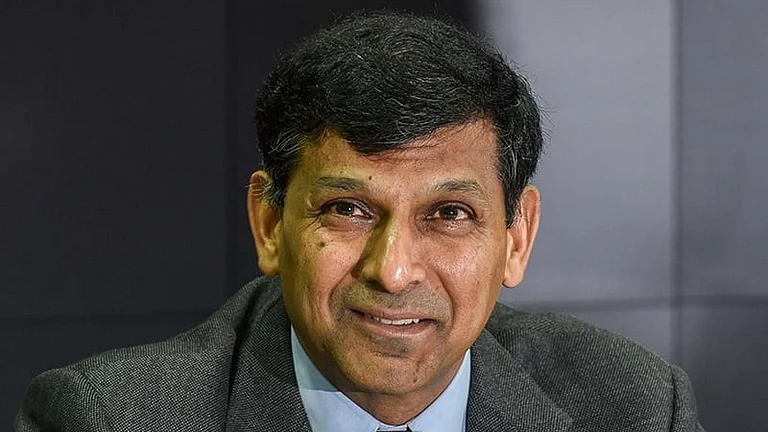
The US inflation drivers have evolved over recent months. Ankita Pathak, Head – Global Investments at Ionic Asset, said that there are a few things to be noted. "One, the reason for Fed not been able to attain 2% inflation has been evolving from first tariffs to now energy, however, if there are no future one-offs inflation may ease."
The other being that the rate cuts or hikes are almost never a single shock but rather move in a cycle. "Fed will most likely avoid a single hike if cycle turns congenial towards inflation organically," she said.
Advertisement

Janu Goswami, Economist and Metaphysician, formerly with World Bank and Goldman Sachs, said inflation pressures in the US remain significant.
"The headline inflation in the United States is considerably high due to higher energy prices, the core inflation is also sticky and has increased," he told Outlook Business, adding that the consumer sentiment is low in the US and it will continue to be low for few more months.
What the Fed Decision Means for India
Experts believe the Fed's hawkish stance could keep global financial conditions tight, although India's policy outlook will continue to be driven largely by domestic factors.
Advertisement
Fed's revised "dot plot" showed policymakers expect rates to stay higher for longer, with inflation forecasts revised upwards and growth estimates lowered.
The Indian government bonds, however, witnessed a pause in the rally due to the Fed rate decision. In early trade on Thursday, yield on the benchmark 6.94% 2036 bond rose to 6.8639% from its previous close of 6.8626%, as per news agency Reuters.
A trader with a primary dealership said that the bulls are expected to take a backseat for now. With all positives priced in, the current levels are bound to react more to negatives, as per the report.
Impact on Indian Markets and the Rupee
The Fed's hawkish messaging strengthened the US dollar and pushed Treasury yields higher, leading to pressure on emerging-market currencies.
The rupee opened 13 paise weaker at 94.66 per US dollar on Thursday compared with the previous close of 94.53.
Market participants attributed the move primarily to shifting expectations around US interest rates rather than oil prices.
Goswami expects the Fed to adopt a wait-and-watch approach in upcoming meetings and said the rupee could remain in the 93-96 range against the US dollar.
Umesh Sharma, CIO – Debt, The Wealth Company Mutual Fund, said markets were caught off guard by the tone of the communication.
"Markets reacted to the trimmed statement and hawkish projections with some surprise, as investors had anticipated a more dovish tilt," he said.
While a potential Fed hike could complicate global monetary conditions, developments in West Asia and commodity prices will remain equally important for India, Sharma added.
RBI Likely to Stay Focused on Domestic Conditions
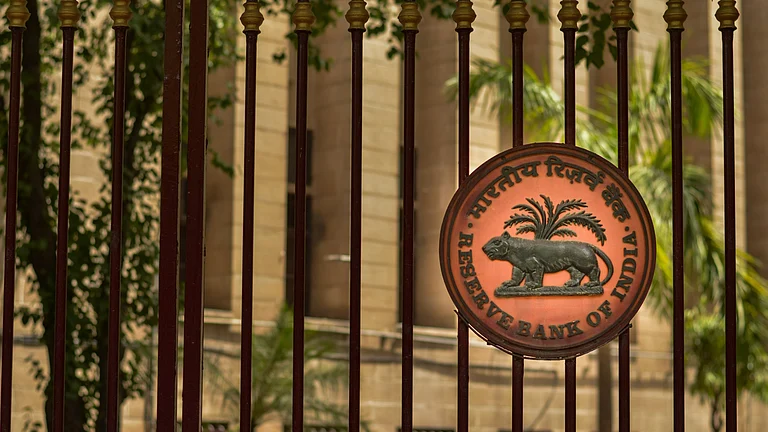
Despite the Fed's policy stance, analysts expect the RBI to continue prioritising domestic growth and inflation trends.
According to Pathak, RBI is unlikely to respond aggressively and will remain data-dependent, with food prices, monsoon developments and energy costs shaping future policy decisions.








