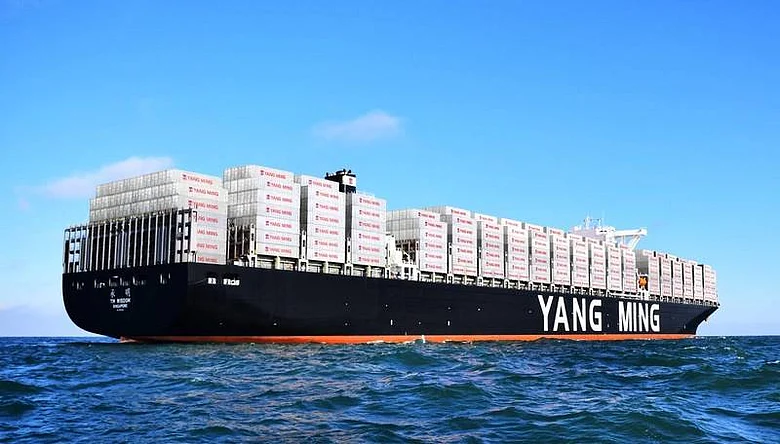

India is exploring alternative LNG supply sources, including Russia and Norway, amid uncertainty linked to tensions in West Asia and potential supply disruptions.
Shipping data shows LNG cargoes from Russia are expected to reach the Dahej terminal after two years, while supplies from Norway may arrive after a six-year gap.
The evolving geopolitical situation is prompting several Asian economies to diversify energy sourcing strategies, as disruptions in the Strait of Hormuz impact global LNG trade flows.
India is exploring alternate supply sources for liquefied natural gas, including Russia and Norway amid uncertainty around the tensions in West Asia despite signs of easing, a report by Business Standard said. According to shipping data cited by the report, India is expected to receive LNG cargoes this month from Russia after two years and from Norway after six years.
The Russian tanker carrying the fuel is expected to reach Petronet LNG’s Dahej terminal around April 25 while tanker from Norway’s Snohvit terminal is expected to reach by May 12.

1 October 2026
Get the latest issue of Outlook Business

Russia Emerging As Top Source
Following the war in Ukraine and western sanctions imposed on Iran, Russia emerged as the top supplier of crude oil for India as it supplied crude at a discounted price.
India’s Russian oil purchase drew massive backlash from the US and other western allies, which accused India of fuelling to the Russia-Ukraine war by supporting Moscow’s oil revenue. For the India-US trade deal, New Delhi agreed to limit purchases of Russian oil and buy more from the US and Venezuela.
Advertisement
However, in the aftermath of the Strait of Hormuz blockade by Iran last month, crude prices surged, with the US lifting some sanctions on Russia to prevent global crude prices from hitting the psychologically crucial level of $150 per barrel. India began pivoting back to Russian crude while exploring LNG and LPG supply as well.
According to the Business Standard report, Russia is also emerging as a potential alternate supplier with data suggesting up to 5.5 million tonnes of spot LNG could be redirected to Asia this year with likely rise in the medium to long term.
Historically, India has avoided blacklisted LNG cargoes but supply tightening due to evolving geopolitical situation may compel traders to explore alternative options.
Advertisement
West Asian Crisis Hit Broader Asian Economies
The West Asian crisis and the rapidly evolving situation have rippling effects on broader Asian economies. According to a report by Bloomberg, Bangladesh is one of the worst hit countries, where imported gas accounts for more than a quarter of its electricity mix.
A sustained rise of 50% in LNG and crude oil prices could have adverse impact of 1.2 percentage points off GDP this year. India too has been forced to cut LNG imports by nearly 15% compared to the same period last year amid tightened supply for industries.
The government of India had to intervene by prioritising household supply of LPG gas as it saw one of the worst LPG crisis in recent decades.


Pakistan is reportedly accelerating domestic gas production by the end of the month to manage its imports as it heavily relied on Qatar for near all of its LNG requirements.
In Japan, the current crisis is reinforcing government efforts to push companies to invest in gas assets outside West Asia, the report said. Taiwan, which is vital for global chip production but also dependent on seaborne LNG, is in talks with the US to secure more of the fuel, it added.
Chinese gas demand is set to grow by 0.5% this year, the lowest level since 2022 and may even fall to by as much as 1.5%, if the Strait of Hormuz blockade remains shut for the rest of the year.