Heatwaves and weak monsoon may push India’s inflation above 5% this fiscal.
Rising food and energy costs could complicate RBI’s policy outlook ahead.
El Niño risks threaten crop yields, rural incomes and overall economic growth.
With temperatures soaring as high as 47 degrees Celsius in certain regions such as Banda in Uttar Pradesh, India is under a dual threat from heatwaves and below normal rainfall in 2026. The current trends would create new economic pressures for policymakers already grappling with increasing energy costs due to the resultant surge in power demand.
For most of 2025, inflation in India hovered below the Reserve Bank of India’s target of 4%, with retail inflation at 2.07% in August, supported by softer food prices, particularly vegetables. However, adverse weather conditions are expected to push inflation above 5% in the fiscal year beginning April 1, exceeding the RBI’s projection of 4.6%, according to economists cited by Bloomberg.

1 October 2026
Get the latest issue of Outlook Business

“The ongoing heatwave and erratic monsoon will all impart upside risk to food prices that have remained well behaved so far,” Dhiraj Nim, an economist at Australia & New Zealand Banking Group told Bloomberg. The rain forecasts “along with high energy prices and agricultural inputs costs, make for a perfect storm for food prices down the line,” he said. Nim expects inflation to average close to 5% this fiscal year.

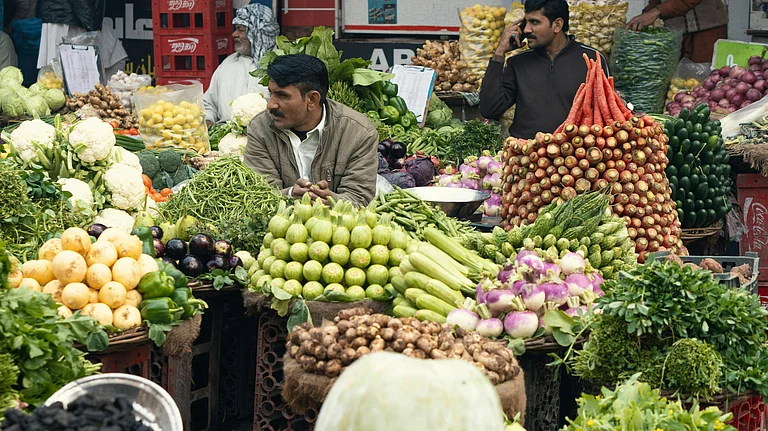
Food has a weight of 37% in the consumer price index, down from 46% after recent revisions, but it remains the single largest driver of inflation, amplifying the impact of weather-related supply shocks.
Advertisement
Over 60% of India’s population also live in rural areas and are dependent on agriculture and allied activities for their livelihood. Poor harvests could hit incomes, curbing demand in rural areas and weigh on economic growth.
The double whammy from high food and energy costs will complicate the RBI’s monetary policy going forward. Governor Sanjay Malhotra signaled earlier this month the central bank will stay on hold for longer as it assesses inflation and growth risks. The RBI is projecting the economy will expand 6.9% this fiscal year.
Bloomberg Economics’s Abhishek Gupta sees inflation reaching 5.8% this fiscal year if monsoon rains are below normal. In 2023, when rainfall was 5.4% below normal, crop production fell 3.5%, while average food inflation surged to 8%.
Advertisement
Crop Yield Disruptions
These risks are compounded by global climate patterns such as El Niño.
According to Food and Agriculture Organisation (FAO) of the United Nations website, El Niño-induced climate variability can significantly disrupt rainfall and temperature patterns, leading to droughts or floods that reduce agricultural productivity.
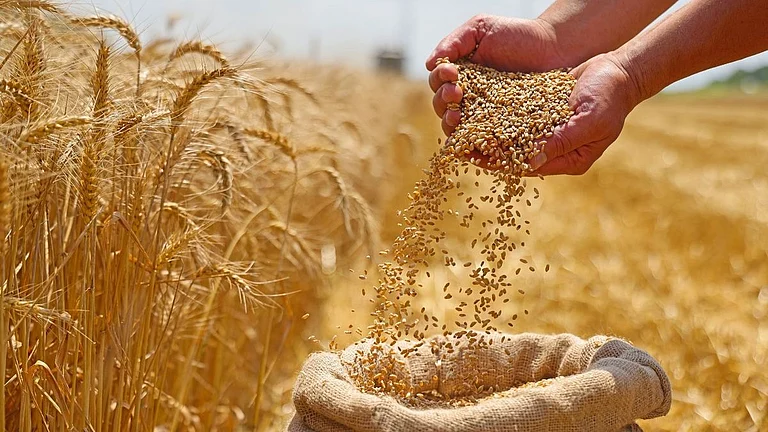
The FAO report noted that such shocks often cause lower crop yields, threaten food security and affect rural livelihoods, with impacts varying widely across regions depending on crop sensitivity and timing of the event.
What Is El Niño
El Niño is a natural climate phenomenon, in which surface waters of the central and eastern Pacific Ocean become unusually warm and cause changes in weather patterns around the world, according to FAO website.
It recurs on average every 2 to 7 years and usually lasts 9-12 months. Since El Niño is predictable several months in advance, with a slow development and a regular pattern, it is often possible to plan anticipatory actions and prepare emergency responses well in advance.
El Niño-induced climate hazards pose high risks to food security. By disrupting rainfall and temperature patterns, it may strongly impact agriculture and rural livelihoods. Farmers, pastoralists, fishers and other small-scale producers bear the most direct and immediate impacts of climate shocks such as drought and floods. Effective anticipatory actions must therefore concentrate on preventing damage and loss to crops, livestock, productive lands, waters and infrastructure to protect food at its source.