India’s Water Challenge
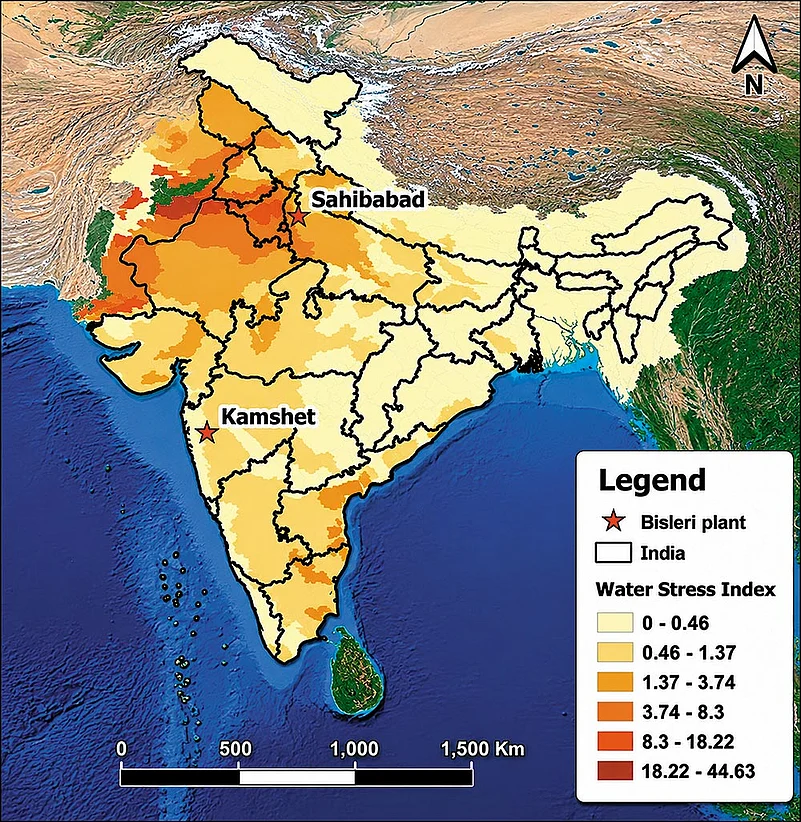
India’s water landscape is marked by paradox. While the country receives significant annual rainfall, uneven distribution, over-extraction, and pollution have led to widespread water stress. Many river basins are already under severe pressure, with groundwater depletion emerging as a critical concern across both urban and rural areas.
Industrial demand for water continues to rise, particularly in sectors such as beverages, textiles, energy, and manufacturing. At the same time, climate variability is intensifying the frequency of droughts and floods, making water availability increasingly unpredictable.
Agriculture continues to account for nearly 85% of India’s total freshwater use, making farmers central stakeholders in any discussion on water conservation and efficiency. While industries possess financial and technological resources to invest in water stewardship interventions, farmers often require institutional, technological, and irrigation support to adopt sustainable practices. A future water market framework can help bridge this gap by creating mechanisms where conservation efforts are recognized, incentivized, and supported across sectors.
Water is inherently local — its availability, quality, and use vary across geographies. This makes conventional, uniform approaches to water management inadequate. Instead, there is a need for localized, data-driven frameworks that account for watershed conditions and competing demands.
Policy initiatives such as the Green Credit framework signal a shift toward incentivizing environmental stewardship. Within this context, water credits emerge as a promising mechanism to align economic activity with sustainable water use.
What Are Water Credits?
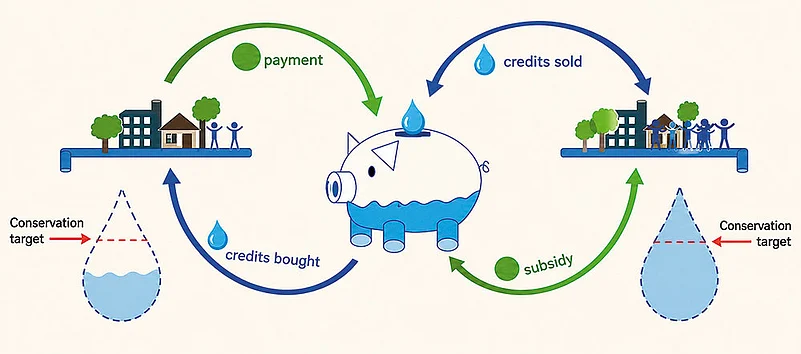
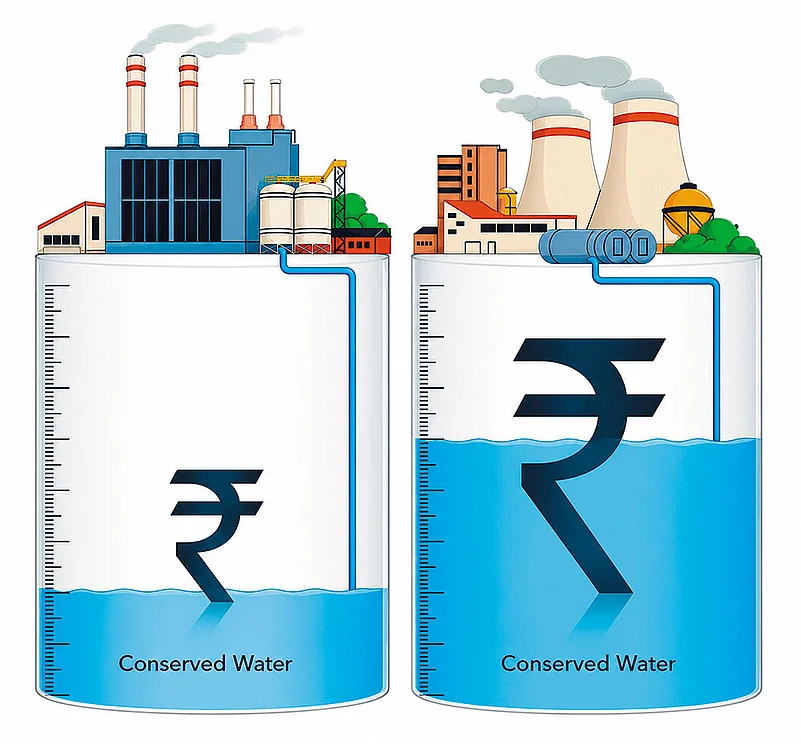
Water credits are a market-based mechanism designed to incentivize water conservation and sustainable management. Similar in concept to carbon credits, they enable entities that achieve measurable water savings or replenishment to generate credits, which can be traded or used to offset water use elsewhere.
Advertisement
At the heart of the water credit mechanism is the concept of acknowledging and rewarding water use efficiency, both in-situ and ex-situ, within the factory and across other areas in the watershed. The framework seeks to create a system in which industries, corporates, and other stakeholders undertaking measurable conservation, recycling, replenishment, and efficiency improvements are acknowledged for their contributions toward sustainable water management. In this sense, water credits allow industries to transition from certificates to tradable credits, ensuring they promote local hydrological improvements rather than merely providing “global offset” branding for corporations. However, unlike carbon, water is a localized resource. The effectiveness of water credits depends on basin-level conditions, including rainfall, groundwater availability, and competing demands. This makes the design of water credit systems more complex and context specific.
Advertisement
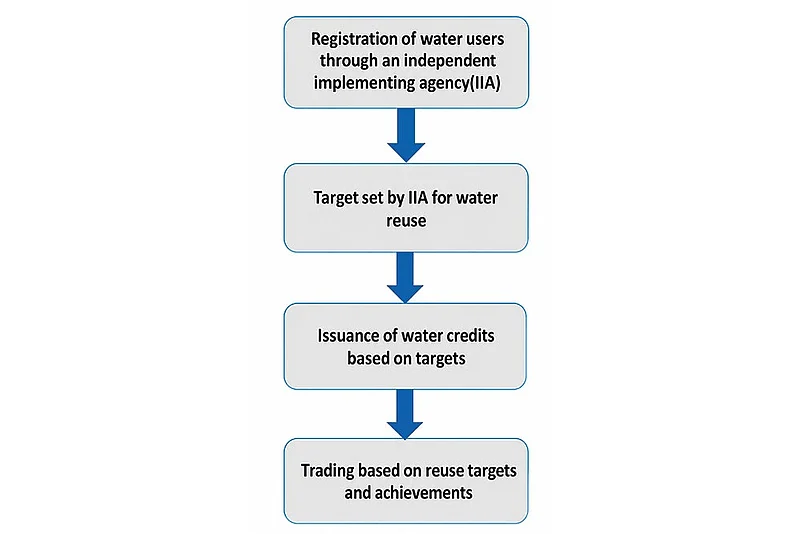
The ICWMR at TERI School of Advanced Studies (TERI SAS), in collaboration with Bisleri, has developed a methodological framework to assess water footprints and identify opportunities for generating water credits. This includes evaluating water use efficiency, conservation interventions, and replenishment activities.
Water credits can create shared value—encouraging industries to invest in water-positive actions while supporting community-level water security. However, success relies on advances in monitoring, such as digital tools and remote sensing, as well as consistent methodologies. Setting baselines is a contentious issue, especially amid climate variability. While long-term monitoring is often costly, it is essential.
TERI SAS Water Credit Framework
The TERI SAS water credit framework introduces an impact-adjusted approach to water foot printing. It moves beyond volumetric assessment to incorporate local hydrological conditions, enabling a more accurate representation of water use and its implications.
The framework categorizes water use into different components and evaluates the balance between consumption and replenishment. By integrating watershed-level data, it ensures that water savings are meaningful within the local context.
Water credits can create shared value. They encourage industries to invest in water-positive actions, while supporting community-level water security
A key innovation lies in linking water-footprint reduction with credit generation. Industries that implement efficiency measures, adopt recycling technologies, or invest in watershed restoration can generate quantifiable water credits.
This approach not only supports compliance with sustainability norms but also enables businesses to demonstrate leadership in responsible water management.
Policy Linkages
India’s evolving policy landscape provides a strong foundation for water credit systems. Policy developments such as the Green Credit Programme (notified under the Green Credit Rules, 2024 by the Ministry of Environment, Forest and Climate Change) and eco-labelling initiatives such as Ecomark indicate a growing policy emphasis on incentivizing sustainable practices.
The Ecomark Rules, 2024 notified by the Ministry of Environment, Forest and Climate Change (MoEFCC) aim to strengthen the role of eco-labelling in influencing consumer choices and encouraging environmentally responsible production practices. Moreover, discussions on water trading and resource efficiency within sectors that generate wastewater and industrial discharges are contributing to a broader policy discourse on sustainable water governance.
Water credits can complement these frameworks by offering a measurable, market-driven approach to conservation. They align with national priorities on resource efficiency, climate resilience, and sustainable development.
There is also potential to integrate water credits within broader initiatives promoting sustainable lifestyles and responsible consumption.
However, policy convergence will require clear guidelines, institutional mechanisms, and stakeholder engagement to ensure effective implementation.
Bisleri–TERI SAS Collaboration: From Framework To Implementation
The development of a credible water credit framework in India has been significantly advanced through the collaboration between Bisleri International and TERI SAS. This partnership focus on translating water sustainability principles into actionable, industry-relevant tools.
A key outcome of this collaboration is the development of an impact-adjusted water footprint methodology, which goes beyond volumetric measurement to incorporate local hydrological conditions. This enables a more nuanced understanding of water use within specific geographies, ensuring that conservation efforts are meaningful and context sensitive.
Pilot applications across industrial operations demonstrate how businesses can assess their water footprint, identify inefficiencies, and implement targeted interventions such as process optimization, recycling and reuse, and groundwater recharge.
Importantly, the framework establishes a pathway to link these interventions to the generation of water credits— thereby creating incentives for industries to adopt sustainable practices.
This collaboration highlights the economic value of water quantity and quality, which is often not integrated into financial transactions. The lack of reliable methods to convert these values into cash flows leads to underinvestment in water resources. Credit mechanisms can bridge this gap, but they require institutional credibility.
Water Conservation In Practice: Heritage & Watersheds
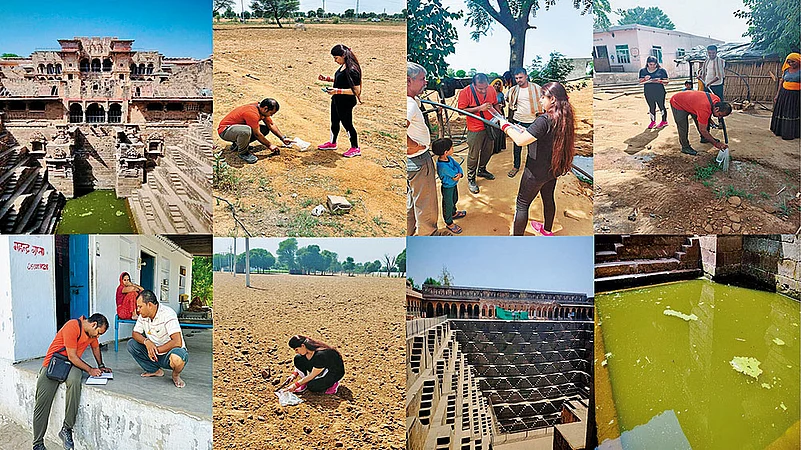
India’s traditional water systems—stepwells, tanks, and reservoirs—reflect a long-standing understanding of sustainable water management. Reviving these systems provides valuable opportunities to address contemporary water challenges.
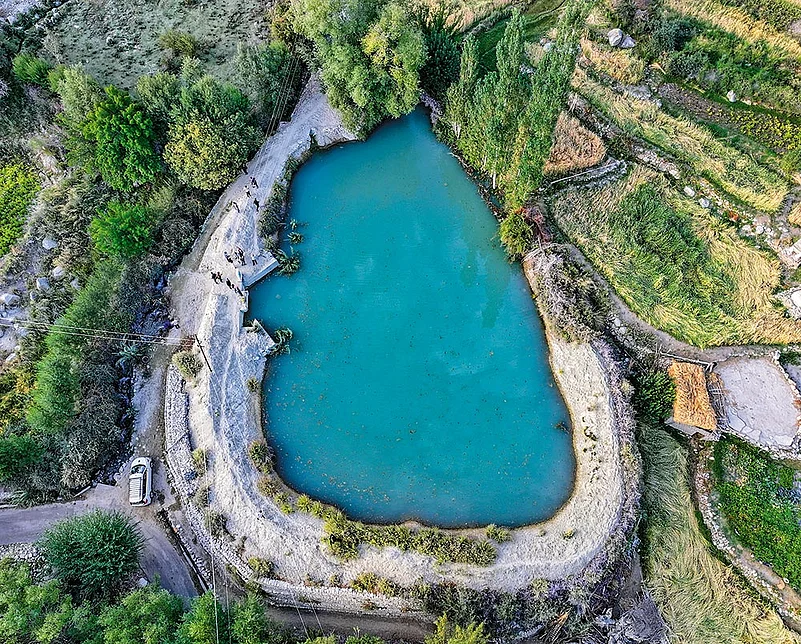
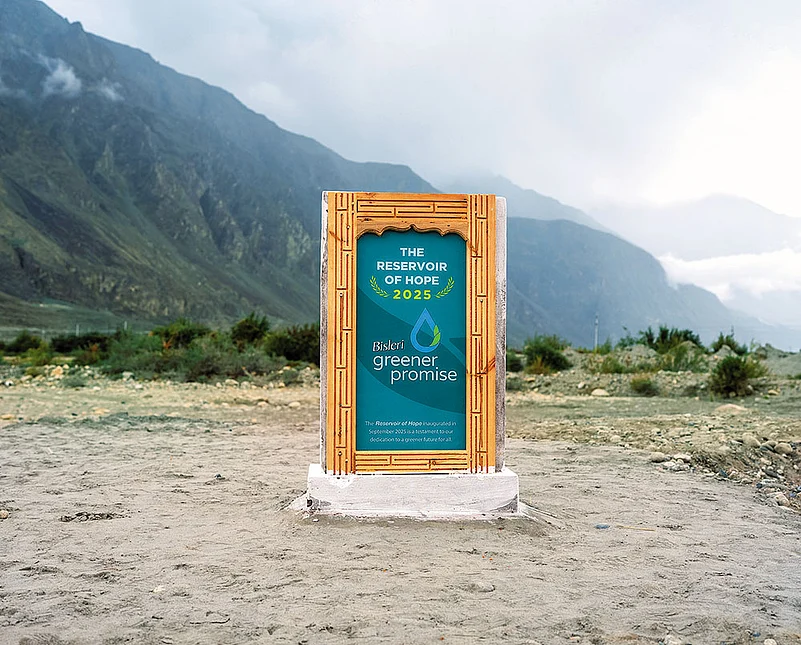
Collaborative initiatives involving TERI SAS, Bisleri, and partners such as the Archaeological Survey of India (ASI) have focused on restoring heritage water bodies and integrating them into modern water management approaches. These efforts contribute to groundwater recharge, enhance local water availability, and support ecosystem resilience.
Watershed-level interventions complement these restoration efforts. Activities such as soil moisture conservation, vegetation management, and runoff control help re-establish natural hydrological cycles. These localized interventions are particularly effective in regions experiencing seasonal water stress.
Such initiatives also generate measurable outcomes, making them relevant within emerging water credit frameworks. By linking conservation actions with quantifiable benefits, they create opportunities for recognizing and incentivizing sustainable practices.
The integration of traditional knowledge with scientific methodologies offers a scalable model for water stewardship in India.
Ten Lessons For Industrial Water Stewardship
Effective water stewardship in industry requires a structured approach grounded in measurement, efficiency, and accountability. Based on insights from the TERI SAS–Bisleri framework, ten key principles guide sustainable water management:
Conduct comprehensive water footprint assessments
Align water use with local hydrological conditions
Optimize processes to reduce consumption
Invest in recycling and reuse technologies
Enhance groundwater recharge and replenishment
Integrate water and energy efficiency strategies
Use digital tools for monitoring and reporting
Engage local communities in conservation initiatives
Aligning with national sustainability frameworks
Ensure transparency in water use and reporting
These principles represent a shift from compliance-driven approaches to proactive stewardship. They emphasize integrating water considerations into core business operations and decision-making.
When implemented systematically, these actions can reduce operational risks, improve efficiency, and contribute to local water security. They also form the foundation for generating water credits by linking conservation efforts to measurable outcomes.

Implementation Pathway For Industries
Operationalizing water stewardship requires a structured pathway that integrates assessment, intervention, and monitoring. The TERI SAS framework outlines a practical approach for industries to transition from baseline measurement to sustained impact.
The process begins with a water audit; mapping water use across processes and identifying inefficiencies. This is followed by targeted interventions, including process optimization, adoption of water-efficient technologies, and installation of recycling systems.
A responsible water credit system must balance efficiency with equity and sustainability
Beyond facility-level measures, industries can invest in watershed-level interventions, such as rainwater harvesting, aquifer recharge, and restoration of local water bodies. These actions contribute to long-term water security while generating measurable outcomes aligned with water credit frameworks.
Monitoring and verification are essential. Digital tools enable real-time tracking of water use and support transparent reporting.
By linking these steps to water credit generation, the framework creates incentives for industries to adopt sustainable practices while enhancing operational resilience.
Understanding Water Footprints
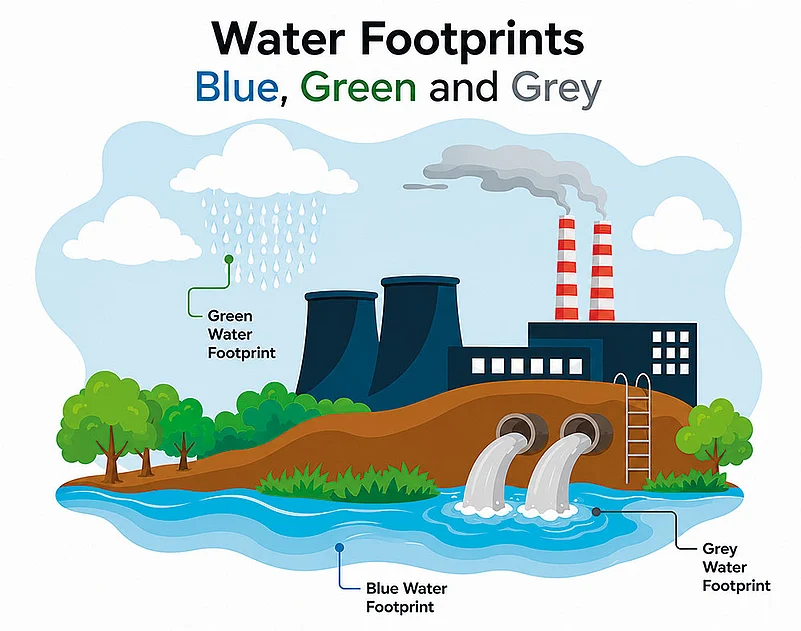
Water foot printing is a critical tool for assessing water use across processes and supply chains. It enables organizations to quantify consumption and evaluate environmental impact.
Water use is categorized into three components:
Blue water: Surface and groundwater used in production
Green water: Rainwater stored in soil
Grey water: Water required to dilute pollutants

1 October 2026
Get the latest issue of Outlook Business

A robust assessment goes beyond volumes to include contextual factors such as local availability, seasonal variation, and competing demands. This context-sensitive approach is essential for identifying meaningful conservation opportunities.
Water foot printing supports decision-making by highlighting inefficiencies and enabling prioritization of interventions. It also forms the basis for calculating water savings and generating water credits.
Common Pitfalls In Water Footprinting
Common challenges in water foot printing can limit its effectiveness:
Ignoring local context
Poor data quality
Neglecting seasonal variability
Weak linkage to action
Lack of standardized methodology
Addressing these issues requires robust, context-sensitive approaches and continuous data improvement.
Challenges To Water Trading In India
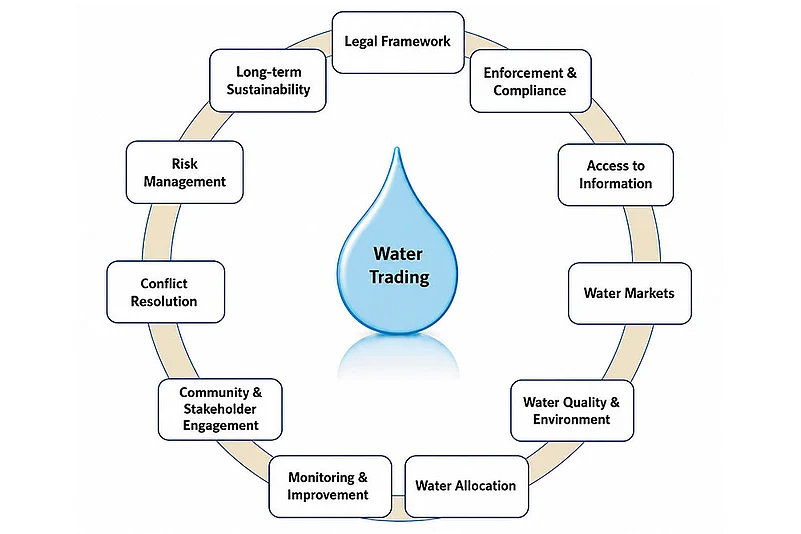
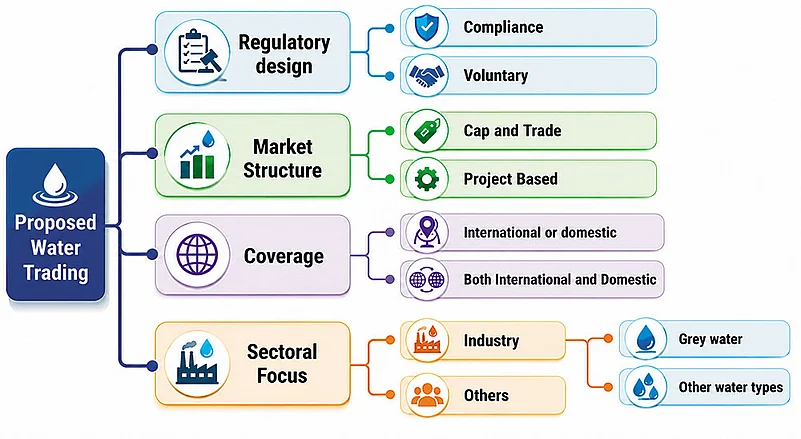
Water trading offers a potential mechanism for improving efficiency in water use, but its implementation in India presents several challenges.
Equity and Social Justice: Water is a basic necessity, and unrestricted trading could lead to unequal access, particularly for vulnerable communities.
Infrastructure Gaps: The absence of reliable metering systems, real-time data, and pricing benchmarks limits the feasibility of water markets.
Regulatory Complexity: India lacks a dedicated framework for water trading, and existing water governance structures involve multiple jurisdictions.
Environmental Risks: Market incentives could encourage over-extraction unless ecological limits are enforced.
Political Will: Effective implementation requires coordination among government, industry, and civil society.
These challenges highlight the need for a cautious and well-regulated approach to water trading.
The Way Forward
A responsible water credit system must balance efficiency with equity and sustainability.
Key priorities include:
Ensuring equitable access
Strengthening infrastructure
Establishing regulatory clarity
Embedding ecological safeguards
Engaging stakeholders
A phased, pilot-based approach can help refine frameworks before scaling.
Partners & Ecosystem
The development of water credit frameworks is supported by a collaborative ecosystem. TERI provides research inputs, while the TERI SAS contributed methodological development and capacity building.
Bisleri International plays a key role as an industry partner, supporting research, pilot implementation, and advancing practical solutions for water stewardship.
Outlook Business serves as a dissemination platform, enabling these insights to reach a wider industry audience.
This collaboration reflects the importance of partnerships in addressing complex sustainability challenges and advancing scalable solutions.
Resources & Call To Action
Readers are encouraged to explore the following resources:
TERI SAS–Bisleri Water Credit Study: “Water Credits: Impact-Adjusted Virtual Water Footprint”
Bisleri-ORF study: “A Vision of Water Governance for Viksit Bharat@2047: Markets, Institutions, and Imperatives”
Bisleri Greener Promise
Water credits offer a pathway to align business continuity with sustainability. By adopting responsible practices and investing in conservation, industries can contribute to a water-secure future.
Every drop accounted. Every action valued.