
SoftBank trimmed stake in Ola Electric to 13.53%, offloading 9.46cr shares
Japanese investor sold 2.15% stake via open-market trades
Ola’s market share collapsed from 36.7% in 2024 to 16.1% in 2025
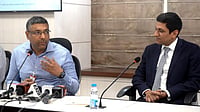
Japanese investor SoftBank has cut its stake in Ola Electric Mobility by 2.15 percentage points, selling 9.46 crore shares through open-market transactions between September 3, 2025 and January 5, 2026, regulatory filings show. The sales, carried out via SoftBank’s SVF II Ostrich (DE) LLC vehicle, reduced its holding to 13.53% from 15.68%.
The final tranche of 84 lakh shares sold on January 5 took the cumulative disposal beyond the 2% disclosure threshold under SEBI’s takeover rules, prompting a public filing late on Tuesday. This marks SoftBank’s second major sell-down in six months, after it had already trimmed about 2.15% between July and September 2025.

1 October 2026
Get the latest issue of Outlook Business





What it Means for Ola?
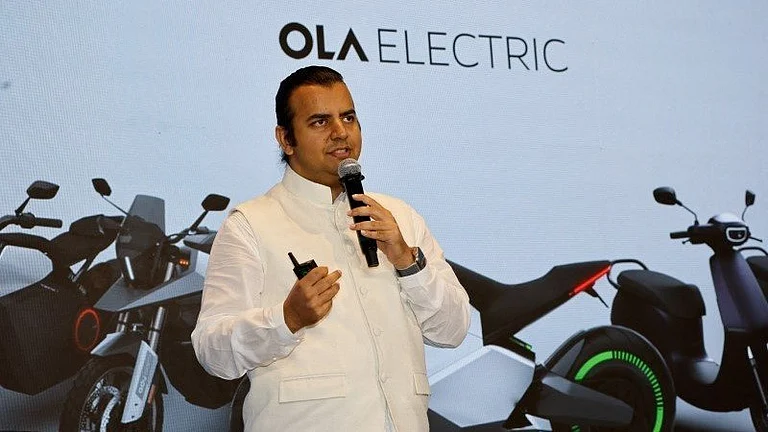
Despite the reduction, SoftBank remains Ola Electric’s second-largest external shareholder after founder-promoter Bhavish Aggarwal. The move adds to a broader wave of exits and stake trims by early backers, including Z47 (formerly Matrix Partners India), Tiger Global and Alpha Wave Ventures. Aggarwal has also sold shares recently as part of a promoter-level monetisation to repay debt.
The exits come as Ola Electric faces mounting operational and market challenges. The company reported a 43% year-on-year drop in revenue to about ₹690 crore in Q2 FY26, while net losses narrowed to ₹418 crore from ₹495 crore a year earlier. Its market share in the electric two-wheeler segment fell sharply to 16.1% in 2025 from 36.7% the previous year.
Advertisement
Operational Headwinds
Investor caution appears driven by intensifying competition from established two-wheeler makers, product delays, service and after-sales issues, and regulatory and intellectual property frictions. The stock has reflected these pressures, sliding to multi-month lows in December 2025 and seeing heightened volatility around large block trades.
In response, Ola Electric has rolled out a turnaround push. This includes its Hyperservice programme to improve service quality and reduce backlogs, the launch of vehicles using its in-house 4680 Bharat Cell battery platform, and plans to scale its energy business, including battery energy storage systems, to strengthen margins and gain greater control over the supply chain.