




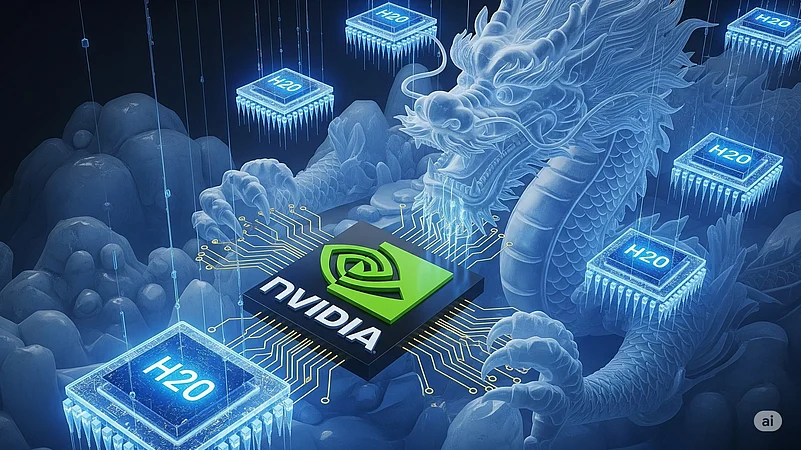

US has eased export rules to allow Nvidia and AMD to seek approval to sell advanced AI chips to China on a case-by-case basis.
Under the new rules, chipmakers must meet strict conditions, including limits on export volumes and proof of no US supply shortages.
The move marks a shift from restrictions imposed since 2022 and could allow Nvidia’s H200 to become the most advanced AI chip exported to China.
The US governmnet has taken a step toward allowing Nvidia to resume sales of some advanced AI chips to China, marking a shift in US policy that restricted such exports for several years.
The US Commerce Department has issued revised rules that will allow applications for exporting AI chips to China to be reviewed on a case-by-case basis, according to a report by Bloomberg. This replaces the earlier framework under which licence applications for selling advanced AI processors to China faced a presumption of denial on national security grounds.

1 September 2026
Get the latest issue of Outlook Business

The new regulation applies to leading chipmakers including Nvidia and its rival Advanced Micro Devices (AMD). Nvidia is seeking approval to sell its H200 AI processor, while AMD is looking to ship its MI325X chip to Chinese buyers.



Advertisement
Under the updated rules, companies must meet a number of conditions before receiving approval. One key requirement is that exporters must certify there is no shortage of these chips in the US market. They must also demonstrate that supplying Chinese customers will not reduce manufacturing capacity that could otherwise serve domestic buyers, the report added.
The Commerce Department has also placed limits on the volume of chips that can be exported. Companies will be allowed to ship no more than 50% of the number of similar chips they produce for the US market to China. In addition, exporters are reportedly required to follow strict “Know Your Customer” checks to ensure the chips are not diverted for unauthorised or military use.
Advertisement
Another safeguard included in the rules is mandatory third-party testing of the chips within the US before they are shipped overseas. Oversight of the licensing process will be handled by the Commerce Department’s Bureau of Industry and Security.

Commenting on the development, an AMD spokesperson told Bloomberg that the company complies with all US export control laws and policies.
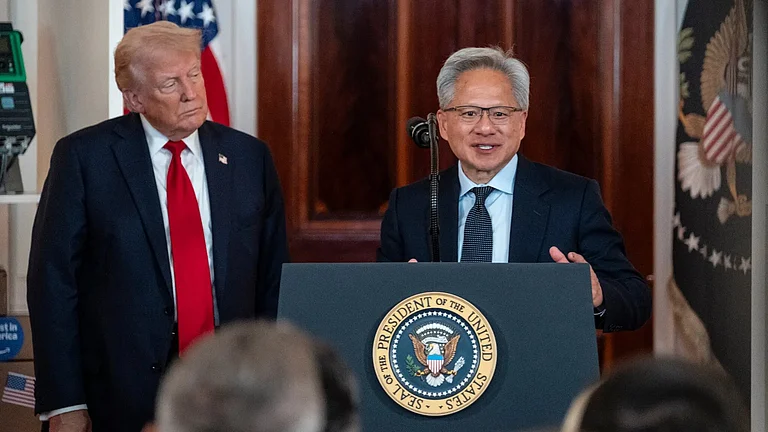
The move follows President Donald Trump’s decision last month to allow US chipmakers to resume limited sales of advanced AI processors to China. It represents a notable change from restrictions introduced in 2022, which were designed to prevent China from gaining access to cutting-edge US technologies.
First introduced over two years ago, Nvidia’s H200 would be the most advanced AI chip permitted for legal export to China if approvals are granted.









