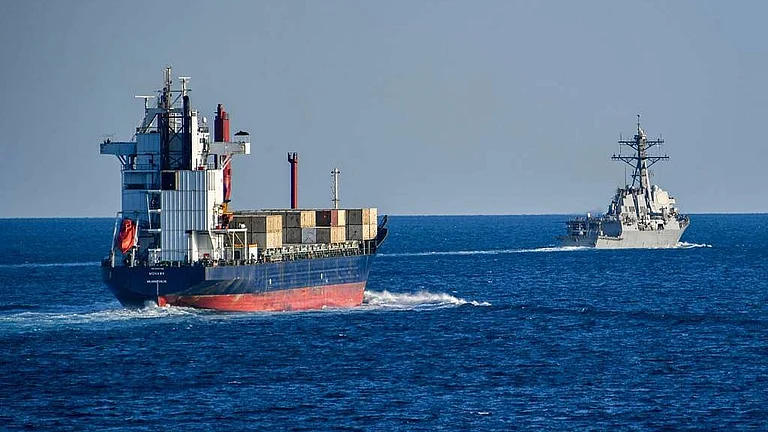
Trump temporarily halted Project Freedom naval escorts in the Strait of Hormuz following mediation efforts by Pakistan and other countries.
The US-Iran conflict has disrupted global trade routes and pushed crude oil prices above $125 per barrel amid fears of wider escalation.
Iran’s 14-point peace proposal is under review as tensions persist after strikes near the UAE’s strategic energy hub of Fujairah.
US President Donald Trump on Tuesday said that Washington is temporarily freezing its naval operation to escort vessels through the Strait of Hormuz. The move marks the facilitation of renewed efforts toward a broader, long-term ceasefire with Iran aimed at ending the ongoing crisis in West Asia.
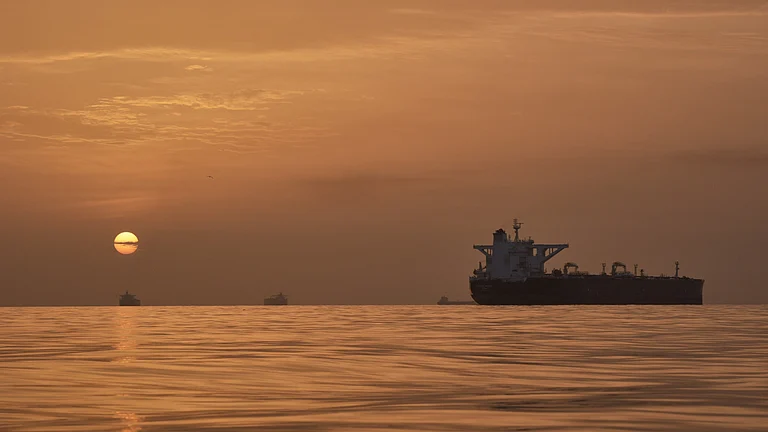
The US-Iran war, which began on February 28, has cut off the strait, which carries nearly 20% of global trade. Crude oil prices have surged past $125 per barrel owing to escalation fears, with analysts warning of an economic slowdown and a possible global recession due to supply chain disruptions.

1 September 2026
Get the latest issue of Outlook Business

What Is Project Freedom?
Trump announced Project Freedom on Sunday to assist commercial vessels transiting through the strait. However, on Tuesday, Trump reversed the decision and said the assistance would be halted for a short period following requests from mediator Pakistan and other countries. Trump described it as a “great process” to finalise a deal with Iran.
Advertisement
“Based on the request of Pakistan and other Countries, the tremendous Military Success that we have had during the Campaign against the Country of Iran and, additionally, the fact that Great Progress has been made toward a Complete and Final Agreement with Representatives of Iran, we have mutually agreed that, while the Blockade will remain in full force and effect, Project Freedom (The Movement of Ships through the Strait of Hormuz) will be paused for a short period of time to see whether or not the Agreement can be finalized and signed,” Trump wrote on his Truth Social handle.
Advertisement
Is A Ceasefire Close?
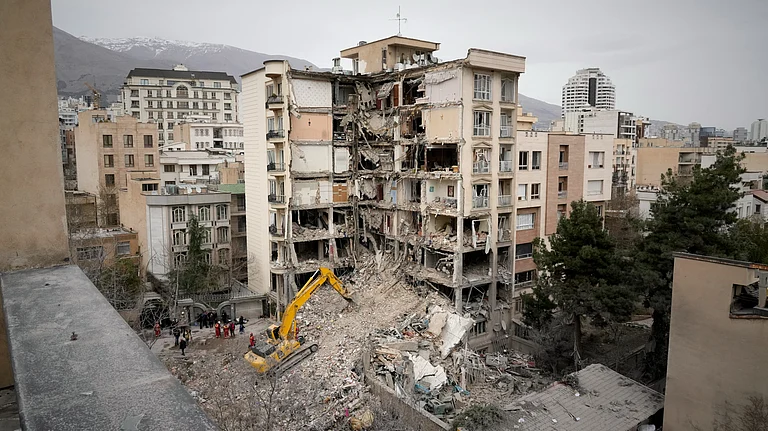
The war, now entering its third month, has seen significant escalation, with tensions spreading to other countries in the region as well.
The first round of negotiations between Tehran and Washington failed to yield any results, following which the US announced a naval blockade of the Strait of Hormuz. This further complicated supply chain logistics, as Iran had already restricted passage through the route.
Mediators including Pakistan and Oman have intensified their efforts to address the concerns of both sides. Iran last week submitted a 14-point peace plan, conveyed to Washington via Islamabad, which is yet to be reviewed in detail by Trump.

On Tuesday, the UAE accused Iran of carrying out an unprovoked attack after the country’s strategic energy hub, Fujairah, came under strike. Iran has denied the allegations.
Uncertainty in the region continues amid heightened fears of further military escalation, keeping investors and the rest of the world on edge.
US Secretary of State Marco Rubio said earlier that the US had completed the offensive phase of its Iran operations, Operation Epic Fury, and was now focused on maritime security in the region.
“This is not an offensive operation; this is a defensive operation,” Rubio said, adding that US forces would retaliate if attacked.