
Iran asserts control over Strait of Hormuz, enforcing new maritime rules
Ships face tolls up to $2mn and risks from mines in shipping lanes
United States maintains naval blockade, rejecting Iran’s reopening proposal
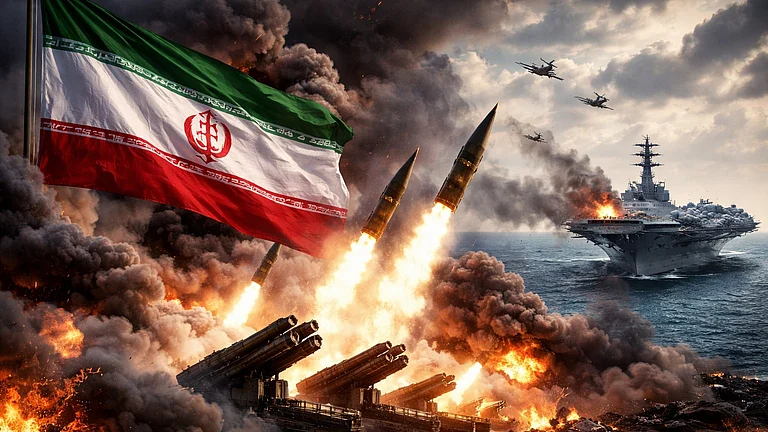
Iran announced on Saturday that it would enforce what it described as "new rules" over nearly 2,000 kilometres of its southern coastline — even as the US made clear its naval blockade was not going anywhere.
The Islamic Revolutionary Guard Corps Navy issued a decree asserting control over Iran's coastline spanning the Arabian Gulf and the Strait of Hormuz, framing the move as turning the waters into "a source of pride and power for the dear people of Iran, and a source of security and prosperity for the region", reported Al Jazeera.

1 September 2026
Get the latest issue of Outlook Business

The announcement followed warnings from Supreme Leader Ayatollah Mojtaba Khamenei that foreign powers with "ominous" designs on the Persian Gulf belonged "at the bottom of its waters," and his declaration that a "new order" was taking shape in the region — one with no room for external military powers.
In a social media post earlier on Friday, Khamenei dismissed US military bases in West Asia as a "paper tiger," saying they "can't even secure themselves, let alone the regional American-worshippers" — a swipe at both Washington and its Arab and Israeli allies in the region.
Ships Paying Tolls, Navigating Mines
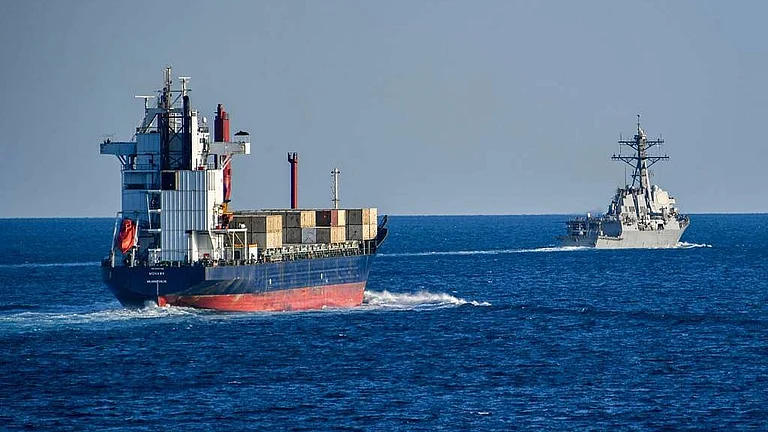
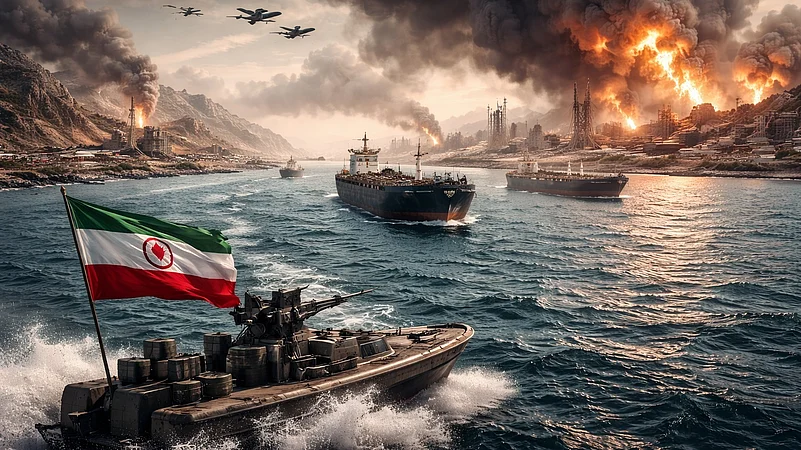
The practical reality on the water is already well-established. IRGC fast attack boats are targeting vessels attempting to transit the Strait, forcing ships to navigate through Iranian territorial waters and pay passage fees. A Lloyd's List report last month put the toll at as much as $2mn per vessel, with ships rerouting around Iran's Larak Island to secure safe passage. Tehran has previously demanded that Washington formally recognise Iranian sovereignty over the Strait and proposed splitting toll revenues with Oman, on the basis that the chokepoint runs through the territorial waters of both countries.
Advertisement

Earlier this week, Iran also issued a formal notice directing all vessels intending to transit Hormuz to use alternative routes, citing the risk of sea mines in the main shipping lanes.
Washington Holds the Line
The US response has been unambiguous. Treasury Secretary Scott Bessent reaffirmed on Saturday that the naval blockade of Iranian ports — imposed by President Donald Trump in April following the collapse of talks in Islamabad — would remain in place until freedom of navigation through the Strait was restored to the levels that prevailed before February 28. Trump, who had announced a "shoot and kill" order against Iranian fast boats deploying mines, told Axios on Thursday that the blockade was "somewhat more effective than the bombing" in squeezing Tehran's economy.
Advertisement
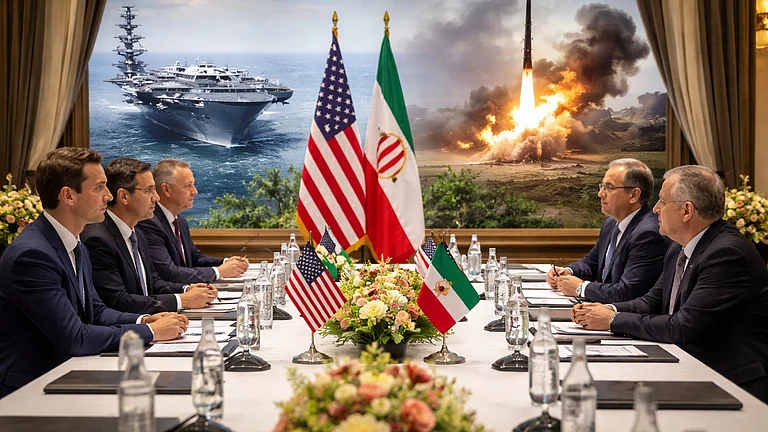
Iran offered to reopen the Strait earlier this week if the blockade was lifted, whilst proposing that nuclear negotiations be deferred to a later stage. Washington rejected the proposal, concluding — as reported in earlier coverage — that agreeing to it would surrender the leverage needed to press for nuclear concessions once the immediate crisis was resolved.
A senior Iranian military official, Mohammad Jafar Asadi of the IRGC central command, said on Saturday that a return to active hostilities was "likely," describing US conduct as proof that Washington was "not committed to any promises or agreements." The statement came hours after Trump expressed dissatisfaction with Tehran's latest peace proposal.