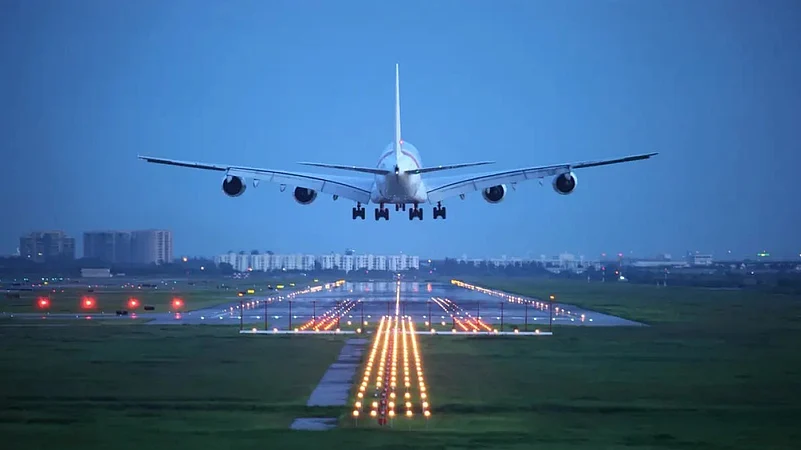

India’s new hub-and-spoke aviation framework will connect Tier-2 and Tier-3 cities to major hubs instead of operating direct long-haul flights from every airport
Beginning with Varanasi, the model seeks to improve international access, enhance efficiency for airlines, and strengthen India’s position as a global aviation hub
The government plans to gradually integrate travel processes, allowing passengers to check in baggage, receive boarding passes and potentially complete immigration formalities at their origin airport
India has introduced a new hub-and-spoke aviation framework aimed at strengthening international air connectivity from smaller cities and supporting the country's long-term goal of becoming a major global aviation hub by 2047.
Varanasi has been chosen as the first city to be integrated into the network as a "spoke", connecting passengers from smaller centres to major aviation hubs such as Delhi, Mumbai, Bengaluru and Hyderabad.

1 September 2026
Get the latest issue of Outlook Business

Civil Aviation Minister K Ram Mohan Naidu announced that six additional destinations are expected to be brought under the model within the next six weeks.
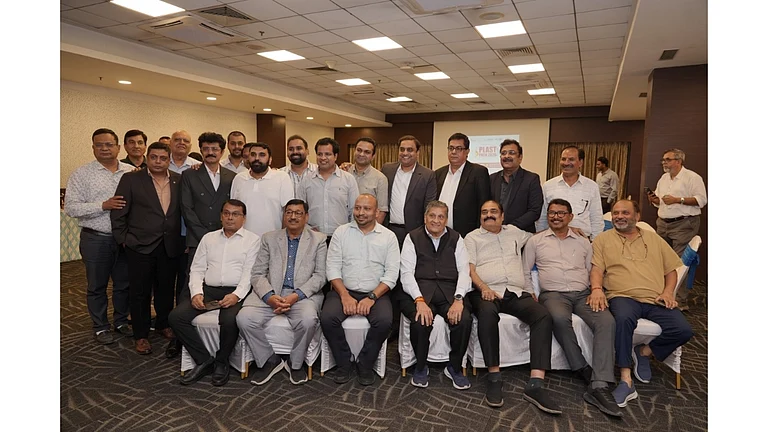



Speaking on the initiative, Prime Minister Narendra Modi described it as a significant step towards improving connectivity. He said that enhanced international links would create new opportunities for trade, tourism, investment, education and business. It would also help people in smaller cities reach overseas destinations through a single travel itinerary while facilitating the movement of goods and services.
Advertisement
What's the Hub-And-Spoke Model?
The hub-and-spoke model is a widely used airline network structure in which passengers from smaller cities, known as spokes, are transported to a central airport or hub before continuing their journey to domestic or international destinations.

Instead of operating direct international flights from every city, airlines consolidate long-haul services at major airports and use feeder flights to channel passengers from surrounding regions.
For example, a traveller flying from Varanasi to London may first fly to Delhi and then connect to an international service bound for the United Kingdom.
Advertisement
Several major global airlines, including Emirates, Qatar Airways, Turkish Airlines and Singapore Airlines, have reportedly built their international networks around hub airports in Dubai, Doha, Istanbul and Singapore, respectively.
Why India Is Embracing the Model
Economics is one of the primary reasons behind the shift. Most Tier-2 and Tier-3 cities do not generate sufficient passenger demand to support daily long-haul international operations.
By pooling passengers through major hubs, airlines can operate larger aircraft more efficiently while offering travellers access to a broader range of destinations, as per a report by the Business Standard (BS).
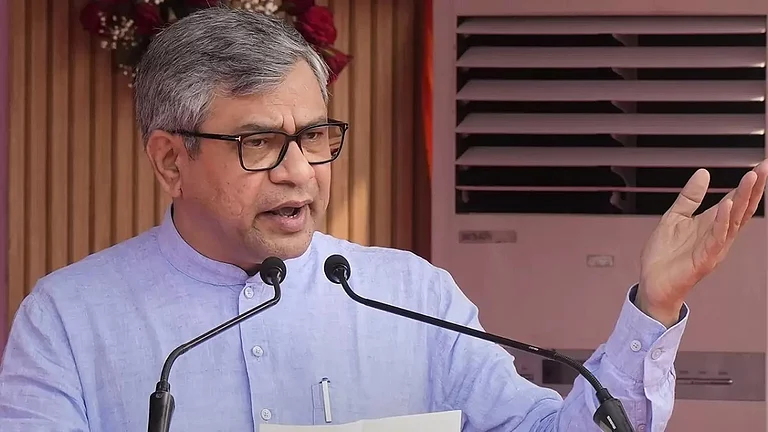
The strategy also supports India's ambition to reduce dependence on foreign transit hubs such as Dubai, Doha, Abu Dhabi and Singapore, through which a large number of Indian international travellers currently pass.
Benefits and Challenges Ahead
The government plans to gradually integrate travel processes, allowing passengers to check in baggage, receive boarding passes and potentially complete immigration formalities at their origin airport before arriving at the hub. This could simplify transfers and reduce congestion at major airports.
Smaller cities such as Indore, Ranchi, Bhubaneswar, Coimbatore and Raipur could benefit from improved global access, helping business travel, tourism and exports.
However, the model's success will depend on efficient coordination among airlines, airports and immigration authorities, as well as sufficient capacity at hub airports to manage increased transit traffic.