The war in West Asia may have adverse implications for the Indian automotive industry and could pose near-term challenges for the sector, having an indirect impact on vehicle demand, Society of Indian Automobile Manufacturers President Shailesh Chandra said on Tuesday.
While the automobile industry concluded the 2025-26 year from a position of strength, developments arising from the ongoing West Asian conflict pose certain risks, he told reporters here.
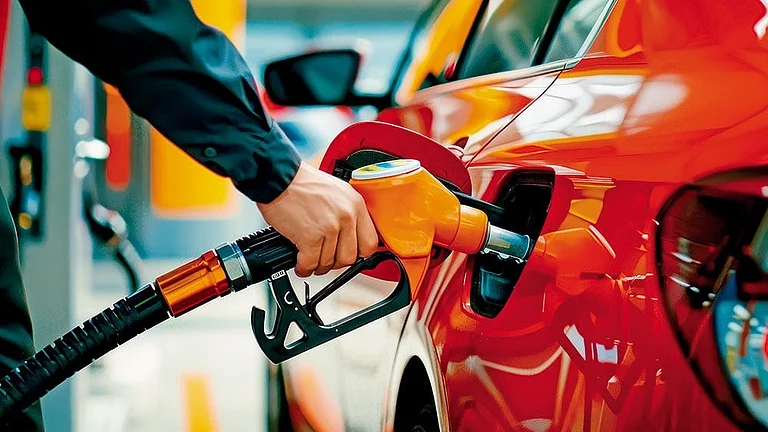
"Recent uncertainties arising from the West Asia conflict need to be closely monitored. The evolving geopolitical situation may have adverse implications for automotive production, input and commodity prices, fuel prices and freight rates, which could pose near-term challenges for the industry and may also indirectly impact the demand requirement," he said.
1 September 2026
Get the latest issue of Outlook Business

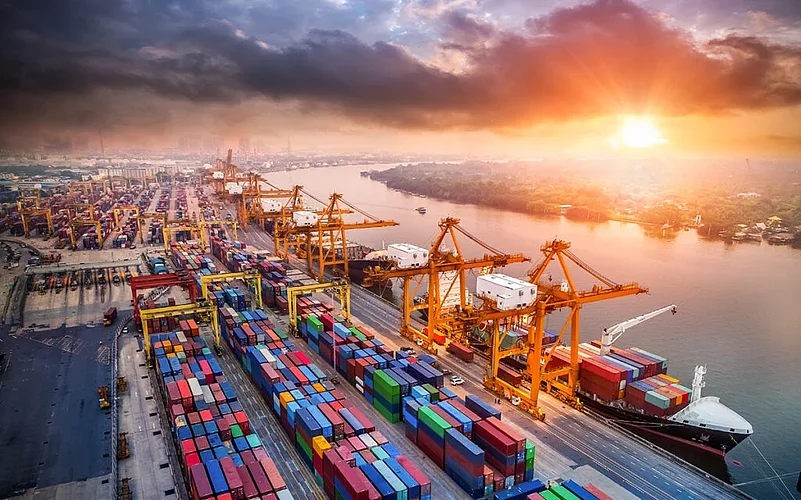
Sharing an update on the current situation faced by the domestic auto industry, Chandra said, "Supply disruptions have led to shortages of propane and ethylene, critical inputs for manufacturing operations such as paint shops and heat treatment processes." Additionally, he said, "Pressures are emerging from shortages and cost escalation across select petrochemical and other key commodities." Global logistics conditions have also become more volatile, with shipping costs rising amid route diversions and increased transit times, he said.
Chandra, however, clarified that as of present, there have been no disruptions of production, although "it has been precarious", stating that the clarity on parts supplies that used "to come every third day" has extended a bit.
Advertisement
"So it is a bit stressed, and we'll have to really see how things will pan out," he said, adding that the industry has been "in very close touch with the government" to address the issues and figure out "what best can be done".
Although the underlying costs are increasing, so far the industry has been able to manage the supplies with some players even deploying air freights if there is some supply disruption.
"But we will have to watch how things pan out from here...If things worsen from where they are today, that is something which we can only right now closely monitor what is going to happen," he added.
Advertisement
He further said, "If things get prolonged, things worsen, then we are dealing with inevitable..." On cost escalations and possible vehicle price hikes, Chandra said, "There might be potential cost increases that you will start seeing price increases for the vehicles. To what extent OEMs will be able to absorb the commodity prices, and to what extent commodity prices will increase, will be clear in the next four weeks to five weeks. Once that is clear, then it can be determined." If the fuel prices also significantly increase and the West Asia crisis also prolongs, then there can be an issue on demand, he noted.
"We will have to really see the behaviour of consumers if the fuel price increases. One initial feedback that I have been getting is that while inquiries are strong, conversion is delayed. At least some initial signs for certain segments, especially the entry side, we are seeing this, but it has not led to growth going down year-on-year as yet," he said.
Chandra further said many of the companies which were dependent on LPG have shifted to PNG and are also looking at more efficient ways of consuming these gasses.
Asked about labour availability in factories, especially of component makers where workers have faced domestic LPG supply issues, he said, "It is not in a big way, but there are certain pockets where we have seen, but (these are) very initial signs. It is not a big issue as of now, but definitely in some pockets, with some suppliers...It has not hit in a big way." Chandra also noted that there will be an uptick in electric vehicle demand if fuel prices increase.