
Union Minister Nitin Gadkari said that the government has not received widespread or substantiated complaints about E20 fuel performance
Scientific evaluations by bodies like ARAI and SIAM indicate a 2-6% decline in vehicle fuel efficiency when using E20 petrol
Gadkari emphasised that vehicle mileage is influenced by multiple external factors, including driving habits, tyre pressure, and maintenance practices
The Union government has not received widespread or substantiated complaints regarding E20 fuel performance from automakers, consumer groups or automobile associations, Union Road Transport and Highways Minister Nitin Gadkari said in a written reply to the Rajya Sabha on Wednesday.
Gadkari said consumers have not reported major engine failures, fuel pump defects, water contamination or corrosion linked to the blended petrol.
1 September 2026
Get the latest issue of Outlook Business

Addressing concerns raised in the media and on social media, Gadkari cited scientific evaluations by industry bodies.
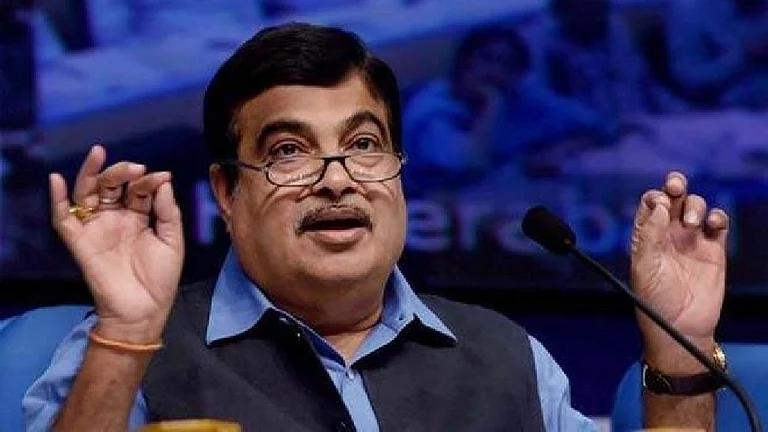
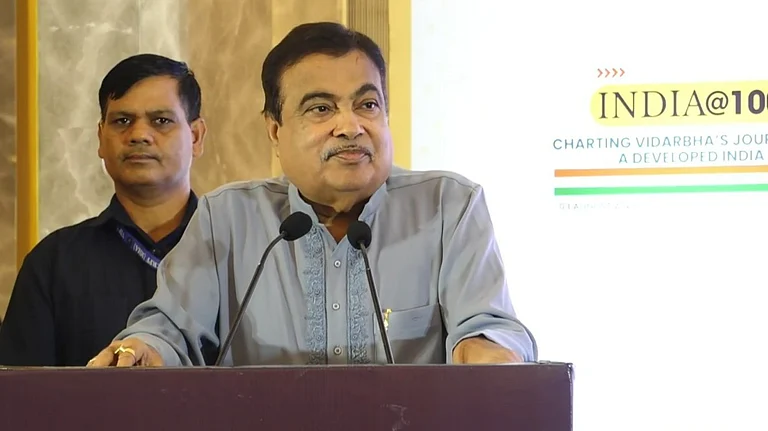
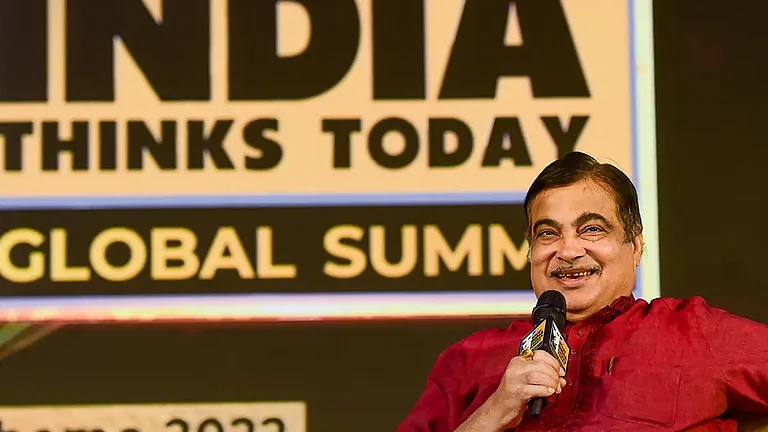
"Extensive laboratory studies and field trials conducted by the Automotive Research Association of India (ARAI), Society of Indian Automobile Manufacturers (SIAM), Indian Oil Corporation Ltd (IOCL), Indian Institute of Petroleum (IIP) and automobile manufacturers covering parameters such as engine durability, drivability, startability, corrosion resistance, material compatibility and emissions have confirmed that E20 is safe for use under prescribed standards. The studies indicated a 2-6% drop in fuel efficiency," Gadkari said.

Advertisement
Impact On Fuel Efficiency
Scientific evaluations by research organisations and automobile manufacturers show a 2-6% decline in fuel efficiency with E20 petrol. However, Gadkari said that vehicle performance relies on multiple variables.
“Regarding the concern about vehicle mileage due to the use of E20 fuel, vehicle mileage is influenced by a range of factors beyond just fuel type. These include driving habits, maintenance practices such as oil changes and air filter cleanliness, tyre pressure and alignment, and even air conditioning load,” the minister said.
The studies found no abnormal wear and tear or performance deterioration in legacy vehicles running on the blended fuel.
Advertisement
E20 petrol offers better acceleration and cuts carbon emissions by about 30% relative to E10, Gadkari said. He added that higher ethanol mixes burn cleaner, which eliminates almost all particulate matter and purifies city air.
Blended fuels are not new to Indian roads. Motorists have used E15+ petrol across the country for more than 42 months, Gadkari added. The higher E19-E20 blend has also run in vehicles for over 30 months.
India Ethanol Blending Journey
The blending journey started early as India debuted its ethanol-blended petrol programme with a 2001 pilot project before launching E5 fuel in 2006.
A 2022 amendment to the 2018 National Policy on Biofuels fast-tracked the 20% blending target to 2025-26 from 2030. State-run oil marketing firms hit the 10% blending milestone in June 2022.
State-run oil marketing companies began dispensing E20 fuel at 84 retail outlets across 11 states and union territories in February 2023 before expanding the rollout nationwide.
The government has ruled out any immediate move to increase the ethanol blending ratio beyond 20%. Any future decision on higher blending limits will require detailed scientific and technical studies and consultations with all relevant stakeholders.