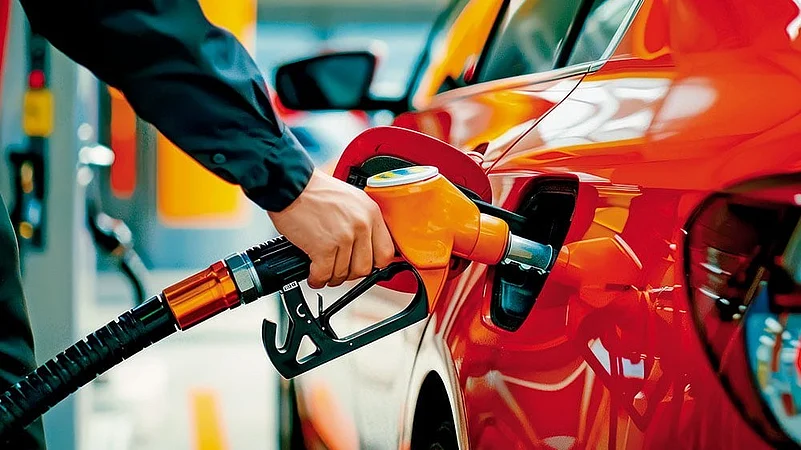

The government has said some rubber parts and gaskets in BS-III vehicles manufactured before 2016 may require replacement when using E20 petrol
It maintained that studies found no significant impact on engine performance, emissions or durability for most vehicles
It said mileage depends on several operating and maintenance factors rather than fuel alone
Some rubber parts and gaskets in BS-III vehicles introduced from April 1, 2005, and manufactured before 2016 may need replacement when operated on E20 petrol, according to the the Ministry of Road Transport and Highways (MoRTH).
However, the government has maintained that extensive testing found no significant impact of the higher ethanol blend on overall vehicle performance, engine durability or emissions.
1 September 2026
Get the latest issue of Outlook Business

Replying to a starred question in the Rajya Sabha on Wednesday, Road Transport and Highways Minister Nitin Gadkari said studies conducted on two-wheelers and passenger vehicles found no need to modify existing engines for E20 fuel.

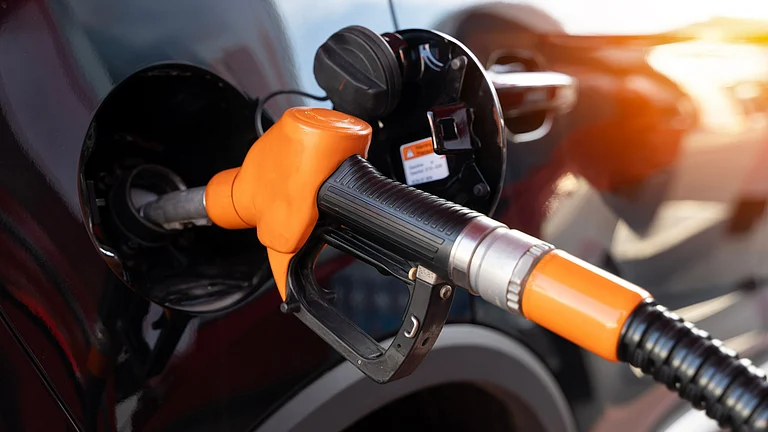
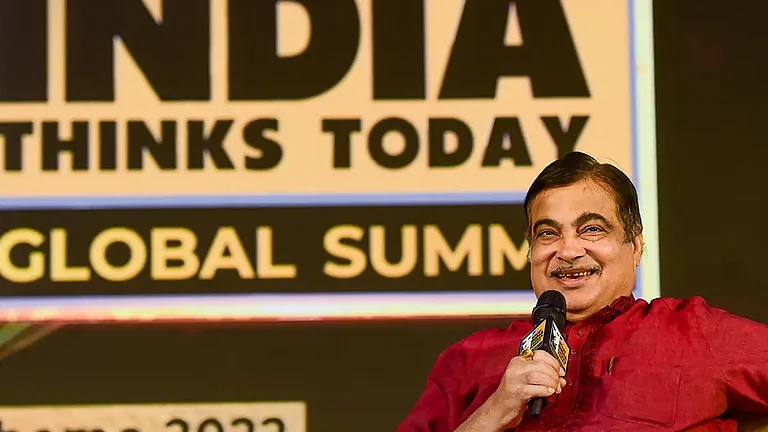
According to the minister, testing also showed no abnormal wear and tear in legacy vehicles and no concerns relating to drivability, startability, metal compatibility or plastic compatibility.
"Only in case of testing done on BS-III vehicles introduced from 1st April, 2005 and manufactured prior to 2016, some rubber parts and gaskets may require replacement, which can be easily managed during routine servicing regime of the vehicle," Gadkari said.
Advertisement
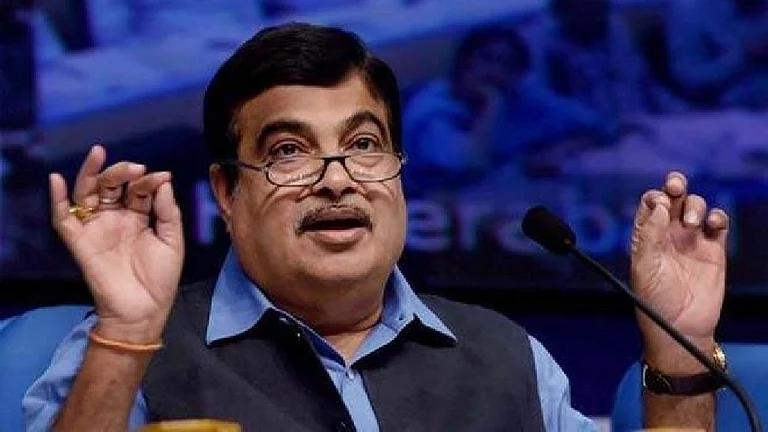
The rollout of E20 petrol has attracted criticism from opposition parties and some consumer groups, which have questioned compatibility with older vehicles, flagged concerns over fuel efficiency and maintenance costs, and sought greater clarity on consumer safeguards.
Mileage Influenced By Several Factors
Addressing concerns over fuel efficiency, Gadkari said automobile manufacturers and vehicle testing agencies have indicated that mileage depends on multiple factors beyond the fuel itself.
These include driving habits, tyre pressure and alignment, air-conditioning load, and routine maintenance such as engine oil changes and air filter condition, according to the Ministry's reply.
Advertisement
The minister said the findings were based on a joint study by Indian Oil Corporation Ltd (IOCL), the Indian Institute of Petroleum (IIP), the Society of Indian Automobile Manufacturers (SIAM) and the Automotive Research Association of India (ARAI).
Vehicle manufacturers have said they continue to honour warranty claims for vehicles using E20 fuel, as per PTI.
Phased Rollout Backed By Studies
The government said the E20 programme was implemented through a phased and scientifically validated process. It cited an Inter-Ministerial Committee constituted under NITI Aayog in December 2020, whose 2021 roadmap examined engine calibration, material compatibility, durability, emissions and fuel efficiency after consultations with automobile manufacturers, oil marketing companies and agricultural experts.
The Ministry also noted that ethanol blending has increased gradually from about 1.53% in 2013-14 to 20% by December 2025, following expansion of production capacity and supporting infrastructure.
The government further informed Parliament that, based on information received from SIAM, no widespread instances of engine failure or vehicle breakdown attributable to ethanol blending have been reported.
It said concerns over engine performance and mileage have largely emerged through public commentary and social media discussions.