






Iran-US conflict disrupts raw material supply chains for India’s condom industry.
Aluminium, PVC and petrochemical shortages raise costs and slow production.
Supply risks could impact affordability, accessibility and family planning efforts nationwide.
The ongoing US-Israel-Iran conflict in the Gulf region have now entered Indian bedrooms, impacting India’s $860mn condom manufacturing industry, particularly aluminium and petrochemical derivatives used in production and packaging of condoms.
According to a report by DAM Capital, increasing prices and tightening availability of packaging inputs such as aluminium foil and PVC are beginning to slow manufacturing activity. The Gulf region accounts for around 9% of global aluminium output and nearly 22% of supply outside China, making it a key source for industry worldwide, including packaging.

1 October 2026
Get the latest issue of Outlook Business

The DAM Capital report further stated that India largely imports PVC from the Far East or US, so while logistics disruptions or gas availability issues in these regions may cause delays, it should not be a significant long-term issue. “However, mid to long-term disruptions could create supply shortages,” added the report.
Supply risks are emerging across raw materials such as ethylene, propylene, benzene and toluene, which are linked to crude oil. These form the ingredients of synthetic rubber and other derivatives which are used in production.
India mostly gets PVC from the US and the Far East, which gives it some breathing room in the short term. But if logistical problems or energy shortages last for a long time, supplies could get tighter in the next few months. The report says that companies with better stock may be able to get by for a while, but if problems keep happening, supply problems could start to show up by mid- to late-April.
Advertisement

Iran-US-Israel Conflict Impact on India
According to The Week, the country produces over 400 crore condoms each year. State-run HLL Lifecare Ltd alone makes nearly 221 crore condoms each year, meanwhile companies such as Mankind Pharma and Cupid supply both the domestic and export markets. The condom industry is running on a high-volume, low-margin model, a setup being impacted by the Iran-US-Israel conflict.
The Week further reported that the crux of the issue is the raw materials being produced by West Asian countries such as Saudi Arabia, Qatar and Oman, contributing to nearly 86% of India’s anhydrous ammonia imports. As the conflict disrupted shipping through the Strait of Hormuz, supplies of ammonia and silicon oil got hindered, resulting in increased costs and delayed deliveries.
Advertisement
Strains on this ₹8,000 crore ‘bedroom economy’ could reduce accessibility and cause hindrance in family-planning efforts, specifically for low-income users who cannot afford high-end solutions for family-planning.
Will Condom Prices Rise
India’s condom industry, catering to a population of over 140 crore, may see price increases in 2026, potentially reducing demand. According to the National Health Mission data, condoms are an important part of India's family planning programme.
Condoms are the barrier methods of contraception which offer the dual protection of preventing unwanted pregnancies as well as transmission of Reproductive Tract Infection/Sexually Transmitted Infection (RTI/STI) including HIV. The brand 'Nirodh' is available free of cost at government health facilities and supplied at the doorstep by the ASHAs for minimal cost.
Strait of Hormuz Link to Supply Chain
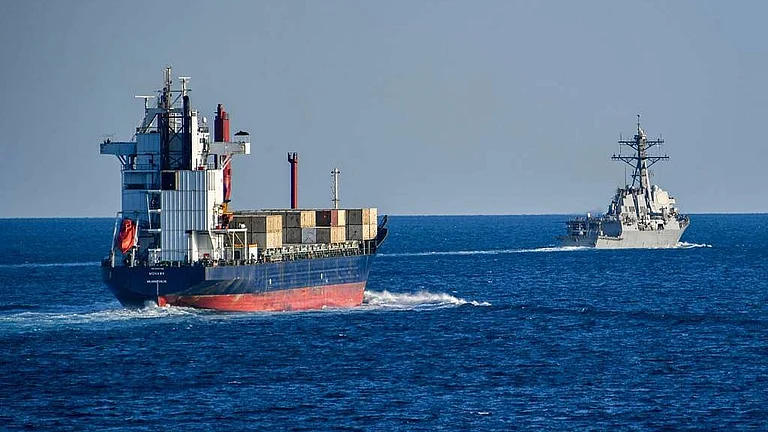
The Strait of Hormuz is very important to India's supply chain because it is the main way that a lot of the country's imported energy gets to it. A lot of India's crude oil and LNG shipments go through this narrow waterway, which is a key link in keeping industries, transportation and power generation going.
When there are problems, like shipping risks or conflict, energy supplies get tighter, fuel prices go up and logistics costs go up. This affects manufacturing, transportation and everyday goods. In short, what happens in the Strait has a direct impact on India's energy security and the cost and dependability of its whole supply chain.



Even a small drop in use of a product that is closely linked to family planning and population control could have long-term effects on society. As India depends on free and subsidised condoms under its national family-planning toolkit and a blockade on supplies could have drastic impact on both individual finances and public health.









