The famous Wimbledon towels are made in India and players love to never return them
Initially manufactured in Britain, these iconic towels are now manufactured in Gujarat's Vapi
Players are no longer expected to routinely return their towels after matches
While Wimbledon is celebrated for its grass courts, white clothing tradition and Grand Slam titles, another item has quietly become one of the tournament's most coveted possessions — its official towels.
Priced at around £40 and frequently carried home by players as souvenirs, the towels have developed a following of their own.

1 October 2026
Get the latest issue of Outlook Business

Less widely known is that these iconic towels are now manufactured in Vapi, Gujarat, reflecting India's growing role in the global premium textile industry.


Why Are Wimbledon Towels So Iconic?
Wimbledon players take home hundreds of towels every day despite the tournament keeping thousands in stock.

During the opening six days of this year's Championships, 3,789 towels were distributed while only 1,044 were returned, meaning players took away around 457 towels each day, as per a report by The Times.
The towels, produced by British heritage brand Christy since 1988, are available in Wimbledon's signature green and purple colours alongside a limited-edition seasonal design.
This year's red-themed version has become popularly known as the "strawberry towel".
Advertisement
How Did Their Production Move From Britain To India?
Christy initially manufactured the official Wimbledon towels in Britain.
However, after Indian textile company Welspun acquired the brand in 2006, production gradually shifted to its manufacturing facility in Vapi, Gujarat, more than 15 years ago, as per a report by The Economic Times (ET).
Welspun established manufacturing operations in Gujarat's Vapi and Anjar, while retaining the premium quality associated with the Christy brand.
Today, the towels continue to be designed by Christy but are manufactured in India before being shipped to the All England Club.

Advertisement
Why Is Vapi The Manufacturing Hub?
Vapi has emerged as one of India's major textile manufacturing centres, supported by large-scale production facilities, skilled workers and established export infrastructure.
Welspun's facility in the town now produces the official Wimbledon towels supplied to players every year.
The shift reflects India's increasing presence in premium home textiles, with domestic manufacturers producing products that meet international quality standards while serving some of the world's most recognised sporting events.
How Are The Towels Made?
Planning for each year's towels begins around 18 months before Wimbledon, with designers studying colour trends well in advance. Every towel takes roughly a week to complete.
The men's towels retain the tournament's traditional dark green, purple and gold colour palette, while the women's towels receive a fresh seasonal colourway each year. For 2026, the selected colours were red and white.
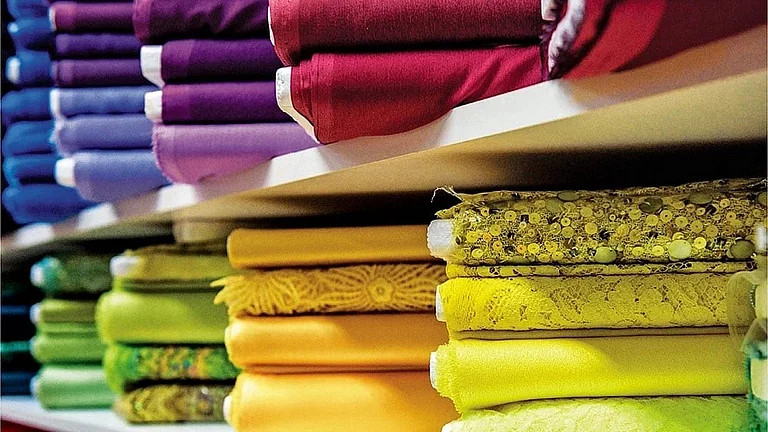
The towels are woven using Christy's signature short-loop terry construction and premium cotton yarn, making them soft, highly absorbent and quick-drying, as per ET.
The towels also carry the OEKO-TEX Made in Green certification, while the cotton is sourced through the Better Cotton Initiative, as per CNBC-TV18.
Why Do Players Often Take Them Home?
Players are no longer expected to routinely return their towels after matches, and many see them as keepsakes from each Wimbledon appearance.
"I have a big collection stacked up back home — they make a good gift," Roger Federer said, as per The Times.
Novak Djokovic revealed in 2016 that he even carries an extra suitcase to Wimbledon for towels, saying he fulfils "plenty of requests" from people back home. He joked that he pretended to sweat more to receive additional towels.

Poland's Iga Swiatek has also become closely associated with the tradition. Speaking last year after her habit attracted widespread attention, she joked: "So I guess I should steal even more."
Christy estimates that only around 15% of the official towels are returned each year.
Sally Bolton, chief executive of the All England Club, said that towels are something that people really want to own. "We are delighted if our towel is such a sought-after item. Sales in the shop suggest that the towel is something people really want to own and I am not surprised the players feel the same," Bolton said, as per The Times.
What Does This Say About India's Textile Industry?
From being a practical courtside accessory, the Wimbledon towel has evolved into one of tennis' most sought-after souvenirs — and its story now carries a distinctly Indian thread.
The journey of Wimbledon towels from Gujarat to one of sport's most prestigious tournaments highlights India's growing capabilities in high-value textile manufacturing.
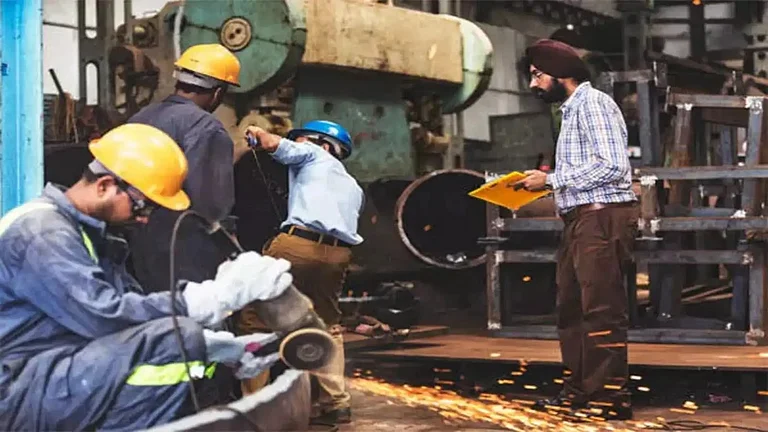
Producing a globally recognised product that blends heritage, craftsmanship and performance demonstrates the country's ability to serve premium international brands while maintaining demanding quality standards.