India has amended its Foreign Trade Policy to create a legal mechanism for banning imports of goods produced wholly or partly using forced labour. The rules will take effect 30 days after publication in the Official Gazette.
The notification does not prohibit imports from any country or product category immediately. Instead, it empowers the DGFT to identify and restrict specific goods through future investigations and notifications.
The move comes as major economies tighten restrictions on forced-labour goods. Experts say its success will depend on robust enforcement, supply-chain traceability and due diligence without creating arbitrary trade barriers.
India has taken a significant step towards strengthening its trade and supply chain regulations by creating a legal framework to prohibit the import of goods produced using forced labour.
The move comes amid growing global scrutiny of labour practices and tighter trade rules in major economies, particularly the US and the European Union.

1 October 2026
Get the latest issue of Outlook Business

The framework has been introduced through DGFT Notification No. 23/2026-27, issued on July 13, which amends the Foreign Trade Policy to prohibit the import of goods manufactured, wholly or partly, through forced labour.


The notification will come into force 30 days after its publication in the Official Gazette.
No Immediate Product Ban
According to a report by GTRI, the notification does not immediately prohibit imports from any country or ban specific products. Instead, it empowers the Directorate General of Foreign Trade (DGFT) to identify and prohibit imports of goods found to have been produced using forced labour through future investigations and notifications.
Advertisement
The policy also adopts the International Labour Organization's definition of forced labour as work extracted under the threat of penalty and without voluntary consent, the report added.
As a result, the effectiveness of the new framework will largely depend on how investigations are conducted, the evidence required to establish forced labour, and the categories of goods that are eventually brought under its ambit.
Aligned With Global Trade Trends
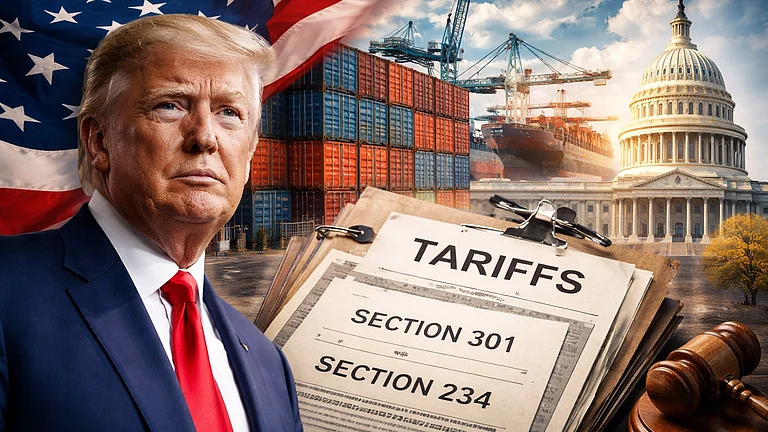
The policy shift comes as several major economies tighten restrictions on products linked to forced labour. The US has launched Section 301 investigations covering around 60 economies, including India, and has proposed a 12.5% tariff on imports from countries under review.
Advertisement
By contrast, the European Union and Pakistan have been proposed for a lower 10% tariff after introducing domestic measures aimed at restricting imports made using forced labour.
According to the report, the notification strengthens India's domestic legal framework in line with evolving international standards and could improve the country's position in future trade negotiations and market access discussions.
Enforcement Will Be the Key Test
The report notes that enforcement will determine the credibility of the new framework. Verifying whether products have been manufactured using forced labour remains challenging because modern supply chains often span multiple countries and involve limited traceability.
It also points out that the US and the EU continue to import products from sectors where forced-labour concerns have been raised, highlighting the practical difficulties of implementing such measures.
"Going forward, India will need to build robust traceability and due-diligence systems to ensure the rules protect legitimate trade without becoming arbitrary non-tariff barriers," Ajay Srivastava, former trade official and founder, GTRI, said in the report.