
UAE to leave OPEC on May 1, dealing a blow to the cartel’s control over global oil supply.
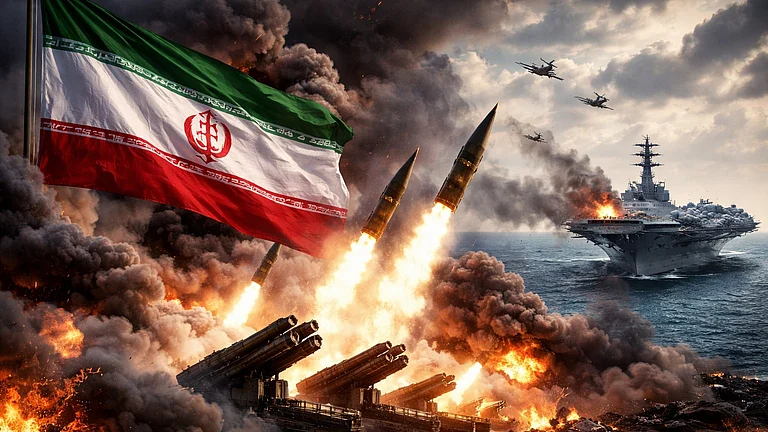
Strait of Hormuz disruptions and the Iran conflict continue to tighten supply and push prices higher.
UAE says market effect may be muted for now, but analysts warn of sustained elevated oil prices.
In a major blow to the global oil economy, the United Arab Emirates on Tuesday announced its exit from the Organisation of Petroleum Exporting Countries (OPEC) amid an unprecedented energy crisis triggered by the Iran war.
The UAE, one of the largest producers in the group, is expected to significantly weaken OPEC’s control over global oil supplies. The exit will take effect on May 1.

1 September 2026
Get the latest issue of Outlook Business

The move is also likely to widen the rift between the UAE and Saudi Arabia, exposing broader instability in the West Asia region. However, it could ease pressure on the UAE to raise output once exports and transit routes resume, as the country will no longer be bound by OPEC production quotas.
Speaking to Reuters, UAE Energy Minister Suhail Mohamed Al Mazrouei said the decision followed a review of the country’s long-term energy strategy. “This is a policy decision. It has been taken after a careful assessment of current and future production policies,” Mazrouei said.

Advertisement
Minimal Immediate Impact on Oil Markets
According to Reuters, Mazrouei expects the exit to have limited immediate impact on oil markets, as disruptions in the Strait of Hormuz persist.
The strait—through which nearly 20% of global energy trade flows—has been effectively cut off since the onset of the war on February 28, making it a critical chokepoint in global supply chains.
Global crude prices rose nearly 3% on Tuesday amid mounting concerns over supply constraints. Brent crude futures for June settled at $111.26 per barrel, up $3, while US West Texas Intermediate (WTI) climbed $3.40 to settle at $99.93 per barrel. However, some gains were pared following the UAE’s announcement.


Advertisement
With supply and output constraints persisting, analysts warn that crude prices are likely to remain elevated in the near to medium term—even if a resolution to the conflict emerges soon, which currently appears unlikely.
The International Energy Agency (IEA) noted that OPEC+ (OPEC and allied producers) accounted for 44% of global oil output in March, down from 48% in February, and this share is expected to decline further in April. Global oil output could fall further in May as the UAE—the world’s fourth-largest producer—exits the bloc.
What Does it Mean for Oil Markets?
According to a report by The Indian Express, UAE's exit will likely lead to increased competition, which will inturn push oil prices lower. However increasing market volatility arising from the US-Iran war keeps market outlook uncertain. The report added that, in the near term, softer prices could benefit oil-importing nations like India by reducing the cost per barrel. Over time, it may also expand India’s options by broadening the pool of global oil suppliers. India imports over 90% of its crude oil requirements, and elevated prices put pressure on its current account deficit and rupee.