
Haryana raised minimum wages for unskilled workers by 35% to $165 per month, following protests over rising living costs linked to the West Asia conflict.
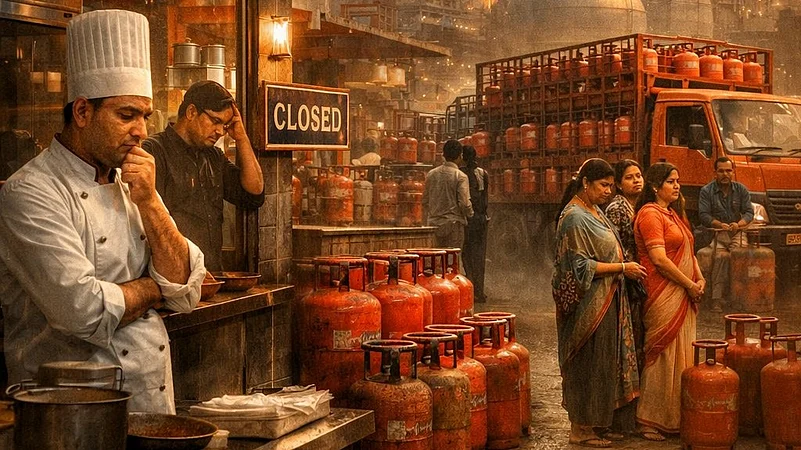
Disruptions in gas supply and higher fuel prices have pushed up food and transport costs, affecting factory workers and low-income households the most.
Higher wages and rising raw material costs may increase pressure on carmakers such as Maruti, Tata Motors, and Mahindra, already facing supply chain disruptions.
The state of Haryana ordered a 35% hike in minimum wages on Friday following protests from auto-industry factory workers last week over the rising cost of living as a result of the ongoing war in West Asia. The Haryana government said the minimum wage for unskilled workers is being hiked to $165 per month from nearly $120, a move that would help workers manage rising living costs amid supply chain disruptions and higher input costs.
According to a report by Reuters, factory workers were among the worst-hit sections following the war, as prices at eateries have surged due to disrupted gas supplies, compelling many to return to their villages.

1 September 2026
Get the latest issue of Outlook Business

The war, which began on February 28, has shaken markets across the globe and exposed India to one of its worst energy crises in recent decades. The government had to slash excise duty on petrol and diesel and prioritise the supply of LPG cylinders to households, which raised concerns for industries.
As per the report, the government’s move is expected to raise costs for India’s automobile industry, which was already battling higher raw material prices stemming from the war. Companies such as Tata Motors and Mahindra have raised car prices, the report stated, while Maruti has also hinted at a similar move. What makes Indian industries, especially the car segment, vulnerable is their heavy reliance on gas imports. The ‘just-in-time’ import supply India relied on for LPG and LNG has had rippling effects across households, businesses, agriculture, and public transport. This makes factories and lower-income earners particularly vulnerable in emerging economies.
Advertisement
Rising Living Cost
As per the Reuters report, workers were demanding higher pay to sustain their livelihoods as food became more expensive and gas supply concerns intensified amid heightened uncertainty about the situation in West Asia. After peace talks that lasted over 20 hours, the US and Iran could not finalise a ceasefire, with Washington announcing a blockade of the Strait of Hormuz. Last week, Tehran agreed to open the strait under certain conditions following a temporary two-week ceasefire.
While the US has signalled openness to further negotiations, it remains unclear when de-escalation could occur and stabilise the region. According to analysts and industry experts, supply chain disruptions could take several weeks or even months to normalise.