
Odisha targets $500 billion economy by 2036 and $1.5 trillion by 2047, with MSMEs expected to play a key role
MSME base stands at 23.5 lakh, but most remain micro or informal, highlighting the need for scale and formalisation
Focus shifts to productivity and growth, with the state aiming to drive technology adoption, global value-chain access and MSME graduation
Odisha has set itself an ambitious target of becoming a $500-billion economy by 2036 and a $1.5-trillion economy by 2047, and the state’s top bureaucrat believes micro, small and medium enterprises will be central to achieving that goal.
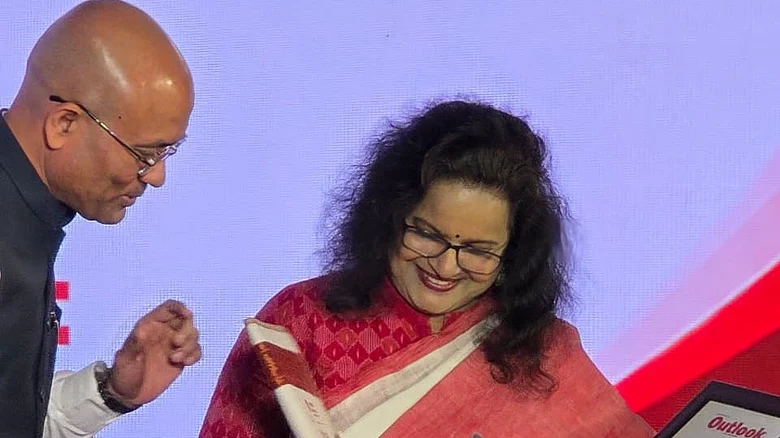
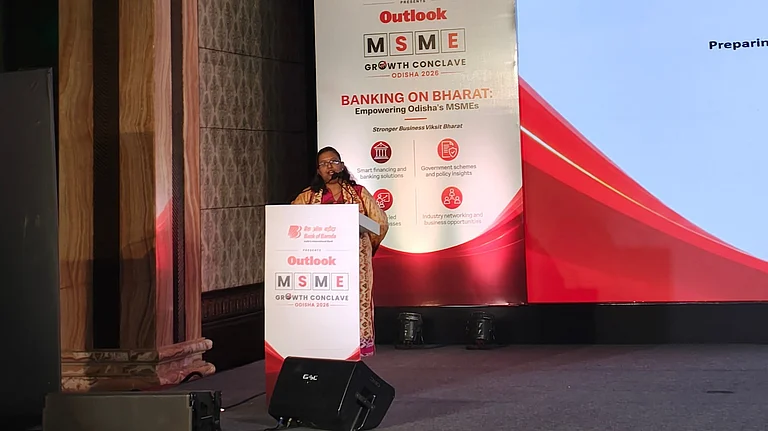
Speaking at the Outlook MSME Growth Conclave – Odisha 2026, Chief Secretary Anu Garg, IAS, said the state cannot achieve its long-term economic ambitions without significantly expanding the scale, productivity and formalisation of its MSME sector.

1 October 2026
Get the latest issue of Outlook Business

“We are now dreaming big. From a $120 billion economy which we are today, we intend to go to $500 billion by 2036 when Odisha turns 100 and $1.5 trillion by 2047,” Garg said.

Odisha currently contributes around 2.89% to India’s national GDP, a share the state wants to raise to 4% by 2036 and potentially 5% by 2047.
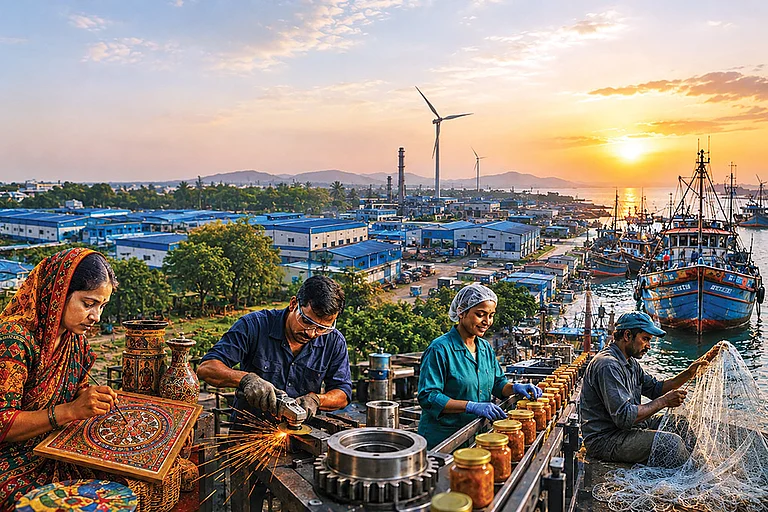
The state’s latest Economic Survey estimates that Odisha had around 23.5 lakh MSMEs registered on the Udyam portal as of January 2026. However, the overwhelming majority are micro or informal micro enterprises, highlighting the challenge of helping businesses move up the value chain and graduate into larger enterprises.
Advertisement
Garg said the government’s objective is not merely to increase the number of MSMEs in the state, but to help existing businesses become more productive, formalise their operations, adopt technology, access global value chains and eventually graduate from micro to small and small to medium enterprises.
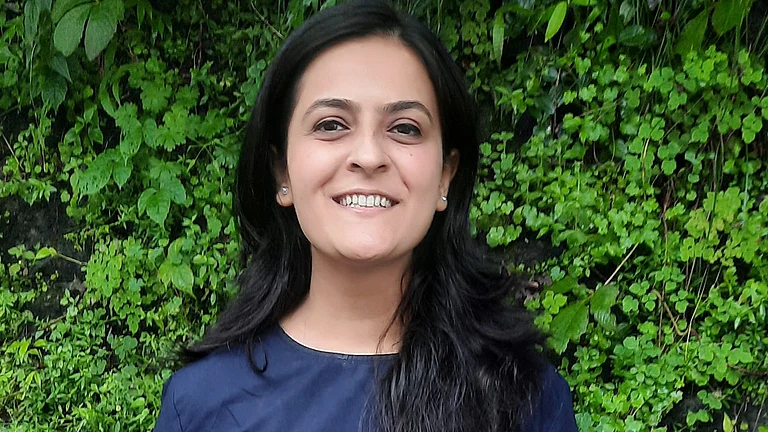
“For us, MSME is the next big thing. We really need to focus,” she said.
Under the state’s “36 by 36” vision, the government has identified development of a robust MSME ecosystem as one of its key priorities.
The state intends to empower and formalise more than 20 lakh MSMEs through credit, while enabling MSMEs to generate more than 40% of Odisha’s industrial jobs. It also wants at least 5,000 Odisha MSMEs to enter export markets.
Advertisement
The strategy includes greater access to credit, cluster development, integration with value chains, technology adoption and market access.
For Garg, however, the biggest challenge may not simply be the availability of credit but how easily an entrepreneur can access it.
She called for a shift from the conventional focus on the quantum of credit to what she termed “ease of banking”.
“Not just how much credit but how easily we can give that credit,” Garg said, arguing that MSMEs need credit that is accessible, affordable and available quickly.
The Chief Secretary said the government has been discussing the issue with banks through the State Level Bankers’ Committee and wants the banking system to become more responsive to the needs of small businesses.