
India expedites clearances for wind and storage projects amid Middle East gas crisis.
Coal, hydro and captive generation measures supplement grid to meet peak demand.
Authorities ensure summer power supply stability despite reduced gas-based electricity generation.
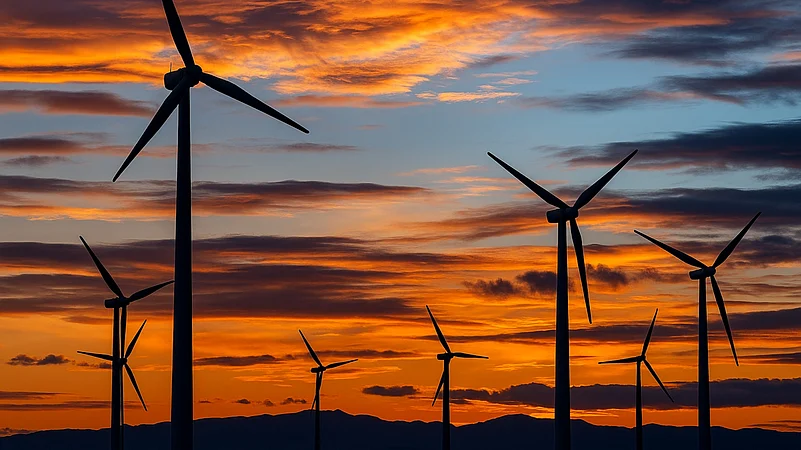
India is ramping up clearances for commissioning of wind power plants and battery energy storage systems as the US-Israeli war against Iran has led to a gas shortfall, Reuters reported the the country's junior power minister as saying.
Although gas accounts for only around 2% of India's total power generation, the South Asian country uses about 8 gigawatt (GW) of gas power during peak-demand periods or heatwaves.

1 September 2026
Get the latest issue of Outlook Business

In addition, the country is closely monitoring the progress of coal and hydro plants, which are under construction, targeted to be commissioned by June 2026, he said.
The system is adequately positioned to meet summer demand, compensating for reduced gas-based generation, Naik said.

The South Asian nation has already directed Tata Power's 4-gigawatt imported-coal plant in the western state of Gujarat to run at full capacity from April 1 to June 30.
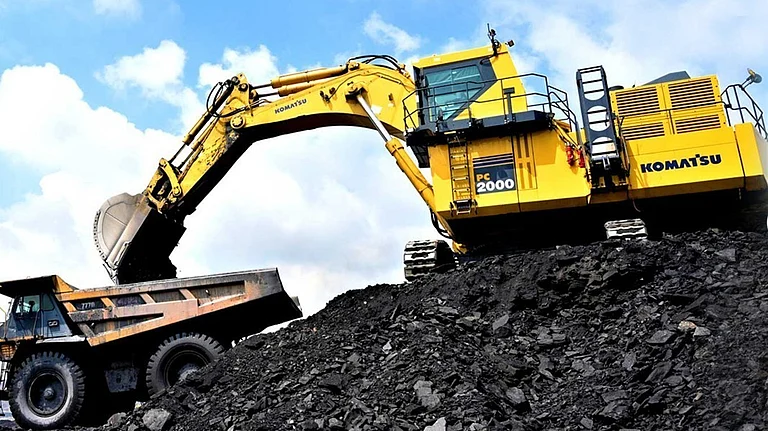
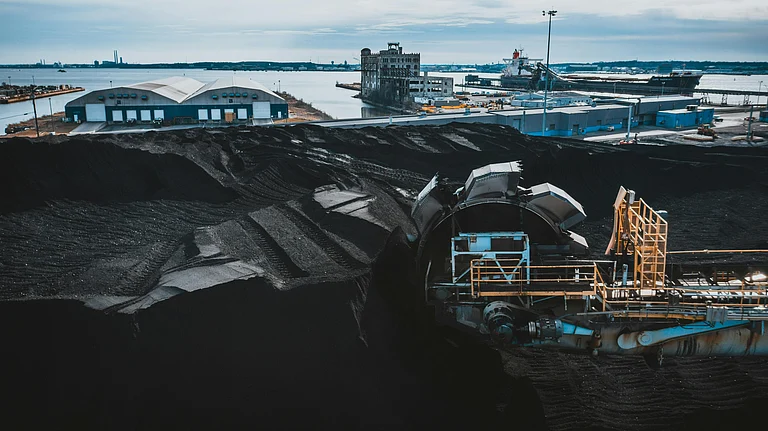
Reuters had earlier reported that India will likely lean more on its coal capacity to meet peak power demand this summer and has asked its coal plants to run at maximum capacity and avoid planned outages.
Advertisement
India depends on coal power for nearly 75% of its power generation.
India has also encouraged its industries to produce their own power through their captive generation plants, the minister said, a move that could reduce industrial power consumption.
Energy Supply Diversification
India’s push toward renewables and storage also aligns with its long-term energy transition strategy.
According to the International Energy Agency, expanding wind and battery storage can help reduce dependence on imported fossil fuels and improve grid stability during supply shocks.
The 2023 IEA report stated that grid-scale storage plays an important role in the net zero emissions by 2050 scenario, providing important system services that range from short-term balancing and operating reserves, ancillary services for grid stability and deferment of investment in new transmission and distribution lines, to long-term energy storage and restoring grid operations following a blackout.
Advertisement
Meanwhile, the Ministry of New and Renewable Energy has underscored the role of hybrid systems in ensuring reliable power, especially during peak demand and climate-driven disruptions, supporting a more resilient and flexible energy mix nationwide.