
The first round of India–GCC FTA negotiations is likely to be pushed to H2 2026 due to the West Asia conflict.
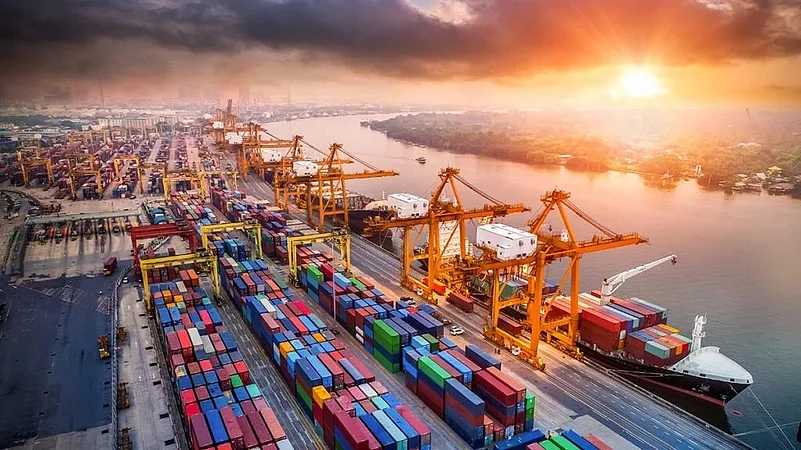
The near closure of the Strait of Hormuz has disrupted shipments, energy supplies, and global trade flows.
The GCC remains a key partner with $178 billion in trade, critical energy supplies, and significant remittance inflows to India.
The first round of negotiations for the free trade agreement (FTA) between India and the Gulf Cooperation Council (GCC) will likely take place only in the second half of the year, Moneycontrol reported, citing sources. The postponement of the talks is due to the ongoing geopolitical conflicts in West Asia.
“They are only looking to talk in the second half of 2026, not before that, one of the reasons being the West Asia crisis,” the report quoted a source as saying.
1 September 2026
Get the latest issue of Outlook Business

The temporary closure of the strait has also led to a slashing of output and export restrictions in several West Asian countries, including Qatar and the United Arab Emirates. Shipments transiting through the waterway have also been attacked, triggering global supply chain disruptions and sending crude prices skyrocketing.
Advertisement
New Delhi signed the Terms of Reference (ToR) with the GCC in February to launch FTA negotiations. The GCC is India’s largest trading partner in West Asia, with bilateral trade exceeding $178 billion in FY25. The Gulf bloc is also a major source of remittances, which form a key part of India’s current account, and hosts nearly 10 million Indians.
The report also suggested that the delay in initiating the first round of talks is partly due to the GCC’s complex decision-making system. The bloc consists of six member states—Saudi Arabia, the UAE, Qatar, Kuwait, Oman and Bahrain—and typically reviews matters internally on sensitive sectors, negotiating positions, tariff lines, services commitments and investment protections before formal talks begin.
Advertisement
India exports a wide range of goods to the Gulf, including food, textiles, jewellery, pharmaceuticals and engineering products. It also depends heavily on the bloc for energy imports, including crude oil, liquefied natural gas and liquefied petroleum gas.