
Around 55% of crude imports and a significant share of LNG supplies depend on the Strait, making India vulnerable to disruptions.
Crude prices could cross $100 per barrel, while Qatar’s LNG suspension may tighten global gas supply and raise costs.
India has about 74 days of crude stocks, but lacks large-scale natural gas storage to handle prolonged disruption.
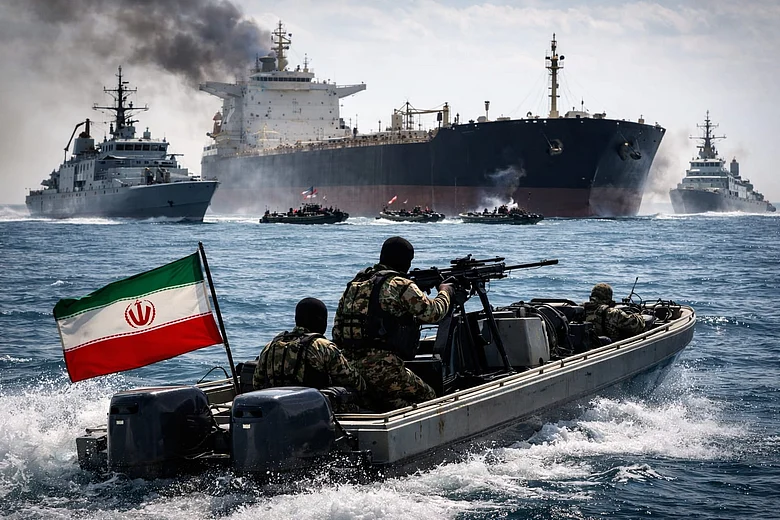
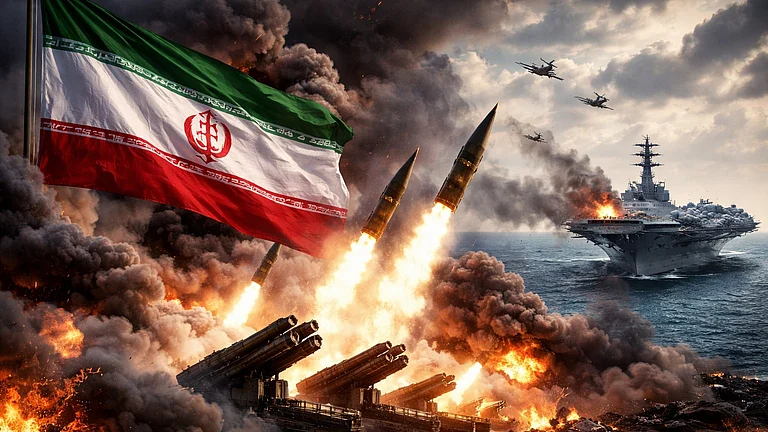
Following the killing of Iran’s Supreme Leader in a joint US–Israeli operation, tensions in West Asia have escalated sharply. Commercial vessels transiting the Strait of Hormuz are now reportedly receiving VHF radio transmissions from Iran’s Islamic Revolutionary Guard Corps, warning that “no ship is allowed to pass.”
The Strait of Hormuz is the world’s most critical oil chokepoint, carrying roughly a fifth of global crude supplies. As of January, the Middle East accounted for about 55% of India's crude imports, at about 2.74 million barrels per day, and this makes India the most vulnerable in the region.
India’s Minister of Petroleum and Natural Gas, Hardeep Singh Puri said the government is taking “all necessary steps to ensure the availability and affordability of major petroleum products in the country”, and that he reviewed the supply situation of crude oil, LPG, and other petroleum products with senior officials from the ministry and public sector undertakings.

1 October 2026
Get the latest issue of Outlook Business

Advertisement
How Exposed Is India?
According to a recent report by ICICI Bank, Crude oil prices, which is currently trading at $78.52 per barrel, may surge above the $100 per barrel threshold amid the ongoing military escalations in West Asia.
The report highlighted that the ongoing conflict, along with the prospect of a blockade of the Strait of Hormuz, could raise concerns about a sharp spike emerging in energy prices as the Strait of Hormuz is a key route for global oil shipments and any disruption could have significant implications for global supply.
Advertisement
“The main concern is disruption at the Strait of Hormuz which is vital for almost half of India’s imports of both these commodities, thus increasing vulnerability,” said Sehul Bhatt, Director, Crisil Intelligence.
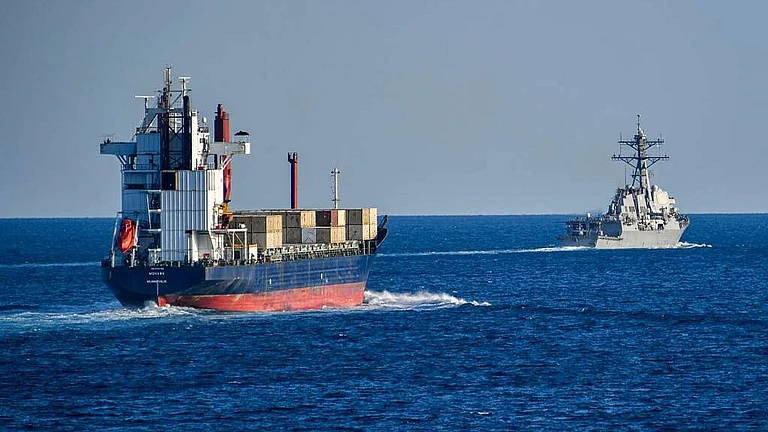
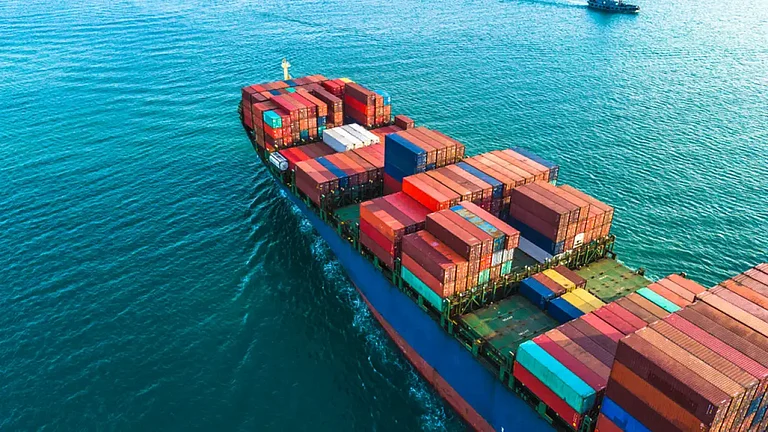
If disruptions persist, shipments may be rerouted via the Cape of Good Hope, lengthening transit times and increasing the cost along with rising freight and insurance premiums.
The report warned that for a net-oil importing country such as India, the impact could be pronounced in terms of inflation, growth and the current account balance.
In addition to the disruption in shipping routes, Qatar has announced the suspension of operations at its LNG facilities. As one of the world’s largest LNG exporters, any halt in Qatari supply immediately tightens the global gas market and pushes up prices.
The implications for India are particularly serious. Nearly 55% of India’s LNG imports in the first ten months of the fiscal year transited through the affected route, and roughly half of India’s total imported LNG comes directly from Qatar. With both transit risks and supply disruptions at play, India faces a dual challenge — potential physical supply constraints as well as higher import costs due to the surge in global LNG prices.
“Sustained disruptions would keep crude prices elevated and tighten LNG availability underscoring the need for strategic planning to protect India’s energy security,” says Sehul.
India’s Immediate Options
Petroleum Minister Hardeep Singh Puri recently stated that India’s total crude oil reserves combining strategic reserves and operational stocks amount to roughly 74 days of consumption. Of this, strategic petroleum reserves account for about 5.3 million tonnes, covering nearly seven days of national demand. The remainder comes from operational stocks, including refinery tankages and floating storage at ports.
However, “the situation is more challenging when it comes to natural gas. Unlike crude oil, India does not have dedicated large-scale gas storage infrastructure,” says Prashant Vashisht, Senior Vice-President & Co Group Head, Corporate Ratings, Icra.
Many European countries maintain 55–60 days of gas storage, while Japan, another major LNG importer, holds around 35 days. These countries benefit from geological formations such as depleted gas fields and salt caverns that allow underground storage.
“India lacks comparable geological storage capacity. Most of its LNG storage consists of operational tankage at import terminals, designed for immediate consumption rather than long-term buffer stockpiling,” says Prashant.
As a result, while crude oil reserves provide a relatively stronger cushion, the LNG position is more vulnerable in the event of prolonged disruption.
On the supply side, India can still consider purchasing non-sanctioned Russian oil, provided it complies with prevailing international regulations. That remains one potential option. Beyond that, alternative sourcing could come from countries such as the United States, Brazil, Guyana, and parts of Africa.
However, importing from South America or North America involves higher freight costs, longer transit times, and potentially elevated crude prices, particularly at a time when nearly 20% of the global supply is disrupted. Replacing such a large volume in the global market would not be easy.
The Economic Fallout
According to analysts, if the conflict becomes prolonged, buffer stocks will gradually run down, and if supplies remain constrained, energy prices could rise further.
“If Middle Eastern crude supply were to halt completely for a temporary period, the immediate impact would be logistical and price-driven, with supply risks intensifying if movement through the Strait of Hormuz is disrupted for longer,” said Sumit Ritolia, Lead Research Analyst, Refining & Modeling at Kpler.
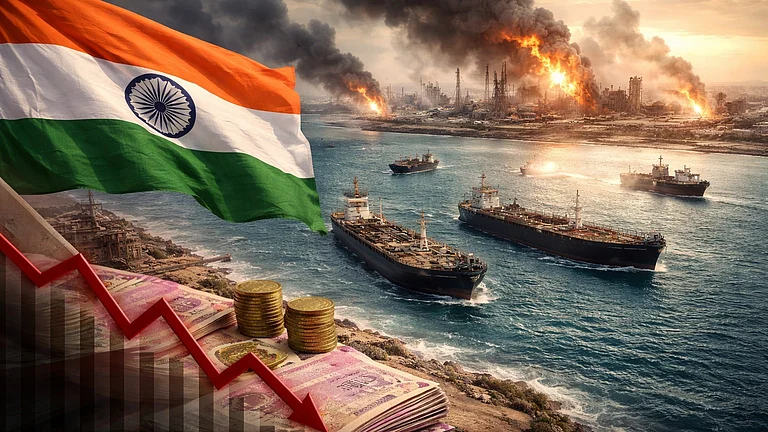
Broadly, every $10 increase in crude prices raises the country’s import bill by around $13–14 billion. Such an increase would not only widen the trade deficit but could also have inflationary consequences, particularly if higher fuel costs are passed on to consumers.


In turn, this would push up transportation and logistics expenses, eventually feeding into broader price pressures across the economy.
Furthermore, BMI, a unit of Fitch Group, said that the ongoing conflict in the Middle East could dampen investor sentiment toward India and potentially offset the positive impact of trade agreements with the EU and the U.S. on GDP growth.
The firm noted that Iran has issued threats to vessels transiting the Strait of Hormuz, a critical global oil route. According to BMI, a full closure of the strait could directly shave up to 0.5 percentage points off India’s GDP by driving up energy costs and disrupting supplies.