




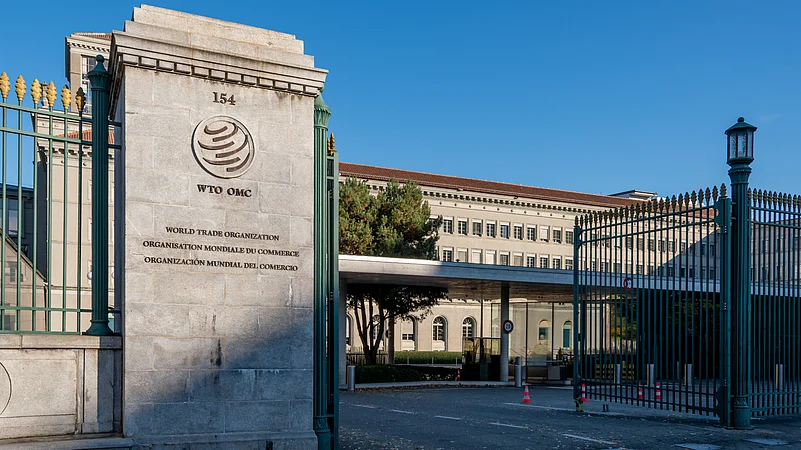

WTO’s 27-year moratorium on tariffs for digital services like streaming and downloads has expired, opening the door for countries to impose duties.
The lapse could make services like Netflix, gaming downloads, and other digital content more expensive for users globally.
WTO talks failed to reach consensus due to disagreements among major economies, leaving the future of duty-free digital trade uncertain.
A nearly three-decade-old global agreement that shielded digital products from customs duties has effectively lapsed after World Trade Organization (WTO) ministerial talks in Cameroon ended in a deadlock early Monday, with no consensus on extending the moratorium.
For everyday users, this could mean higher prices on Netflix or Spotify subscriptions, video game downloads, and other digital services they pay for online, as governments are now free to add import duties on such products.

1 September 2026
Get the latest issue of Outlook Business

The collapse came after Brazil blocked a United States-backed push to extend the e-commerce moratorium, leaving the future of cross-border digital trade in uncertainty, according to a Reuters report.

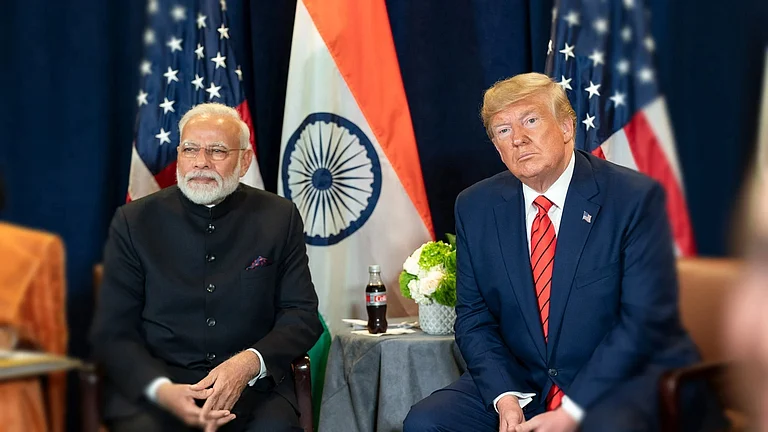


WTO Director-General Ngozi Okonjo-Iweala confirmed that the moratorium had expired, meaning member countries are now technically free to impose customs duties on electronic transmissions. However, she expressed hope that the moratorium could be restored, noting that Brazil and the US were still attempting to reach an agreement, the report added.
The US had been pushing for a longer five-year extension, while some countries, including Brazil, either opposed an extension altogether or favoured a shorter two-year window.
Advertisement
Talks are expected to resume in Geneva in May, according to officials cited by Reuters. Cameroon's Trade Minister Luc Magloire Mbarga Atangana, who chaired the conference, said negotiations would continue.

Why the 27-Year-Old Arrangement Matters
The moratorium, first adopted in 1998, had been renewed every two years at successive WTO ministerial conferences. Under the arrangement, member countries agreed not to levy customs or import duties on electronic transmissions crossing borders, covering digital goods such as movies, music, software, e-books, and streaming content.
The last extension was approved at the 13th WTO Ministerial Conference (MC13) in Abu Dhabi in 2024, which kept the ban in force until the next ministerial meeting, a deadline that has now passed without renewal.
Advertisement
The expiry of the moratorium is significant for developing economies, which have watched digital imports surge while being unable to tax them. Estimates from 2024 suggest the moratorium costs developing countries around $10 billion a year in foregone tariff revenue.
India's Long-Standing Opposition
For India, the stakes are particularly high. The country has consistently opposed a long-term extension of the moratorium, citing concerns over lost government revenue. India's potential annual loss from the moratorium has been pegged at over $500 million, according to 2024 estimates.
New Delhi has argued that as digital trade grows rapidly and as profits of global technology and entertainment companies continue to climb, developing nations are left with no means to tax these imports or generate tariff revenues from a booming sector.
India was among the countries that resisted a blanket or indefinite extension at multiple ministerial conferences. India has opposed the extension on several occasions, reflecting broader concerns among developing nations about the economic asymmetry built into the existing arrangement.
Developing countries have pointed out that the moratorium disproportionately benefits large digital economies and corporations, while constraining the ability of smaller and emerging economies to regulate digital imports or build domestic alternatives.
Despite the deadlock on the e-commerce front, the Cameroon ministerial talks did make some headway on drafting a broader WTO reform agenda, though key agreements remain pending.
The meeting also saw the expiry of another long-standing arrangement, the moratorium on TRIPS non-violation and situation complaints, which had also been periodically renewed alongside the e-commerce moratorium.









