





A 27-year-old WTO agreement keeping digital trade free of import taxes is on the verge of expiring with no deal in sight at the Cameroon summit.
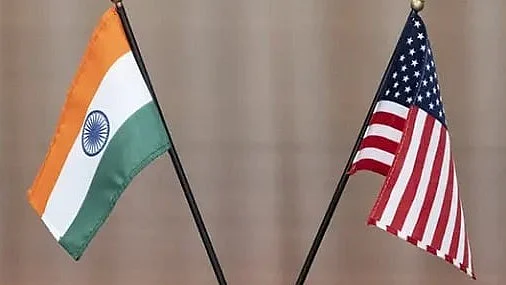
India wants only a two-year extension while the US is holding out for a permanent ban, leaving talks at a deadlock.
A failure to agree could leave global digital trade in limbo.
A decades-old agreement that has kept digital trade free of import taxes is on the verge of expiring, as a high-stakes global summit enters its final day with no resolution in sight.
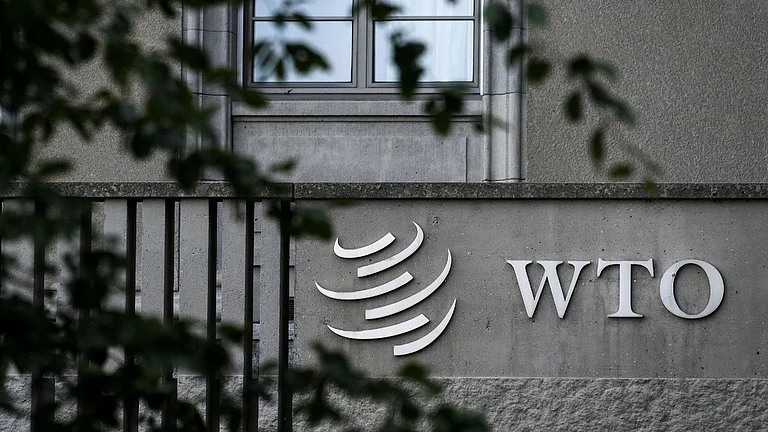
Trade ministers gathered at the World Trade Organization's Ministerial Conference in Cameroon are racing against the clock to extend the so-called e-commerce moratorium, a rule that WTO members have upheld since 1998, preventing countries from levying customs duties on electronic transmissions.

1 September 2026
Get the latest issue of Outlook Business

The agreement has been periodically renewed at successive ministerial meetings, but this time the path forward is blocked by a sharp divide between India and the United States.



The crux of the disagreement is the duration of any extension. India has indicated it is willing to accept a two-year renewal, according to a Reuters report. Washington, however, is holding out for a permanent ban. US Trade Representative Jamieson Greer has made it clear that Washington has no interest in yet another short-term fix, the report added. US Ambassador to the WTO Joseph Barloon, ahead of the talks, reinforced this stance, saying a permanent extension would give the US the confidence to remain "fully engaged" in the trade body, the report said.
Advertisement
India's Commerce Minister Piyush Goyal had earlier urged caution. Addressing the ministerial, he had said the absence of a shared understanding on the scope of the moratorium, combined with its significant financial implications, meant its continued extension "warrants careful reconsideration."
The concern is not without basis. Estimates from 2024 suggest the moratorium costs developing countries around $10 billion a year in foregone tariff revenue, with India's potential annual loss pegged at over $500 million.
Diplomats told Reuters a middle path is being explored, a "pathway to permanence" involving a 5 to 10-year extension, but it is unlikely all WTO members would agree to anything beyond two years. A new draft document seen by Reuters on Saturday proposes additional support for developing countries along with a review clause, though no consensus has emerged.
Advertisement
Business leaders have reportedly warned that allowing the moratorium to lapse would introduce damaging uncertainty into global digital trade. For them, an extension is not just desirable, it is critical.
The outcome of these talks carries weight far beyond the moratorium itself. The WTO is simultaneously attempting to push through broader reforms, making subsidy rules more transparent, streamlining its consensus-based decision-making process, and revisiting the Most-Favoured-Nation principle, which requires members to extend all trade benefits equally to each other.
The US and EU have long argued that China has exploited current rules to their disadvantage, while a handful of countries are blocking a detailed reform work plan that most other members support.
India has also blocked the incorporation of a plurilateral investment deal into WTO rules, arguing it risks undermining the organisation's founding principles.
With the moratorium set to expire this month, failure to reach a deal would not just leave digital trade in limbo, it could reportedly hand critics the ammunition to further erode the WTO's already-diminished credibility at a time when global trade is already reeling from tariff wars and geopolitical disruptions.









