

India and the EU have concluded a long-pending Free Trade Agreement, cutting tariffs on beer by up to 50%, spirits by around 40%, and wine by 20–30%.
The deal is expected to remove or reduce duties on over 90% of EU goods exported to India.
Analysts warn that sharp duty cuts on spirits could pose challenges for India’s domestic alcohol industry.
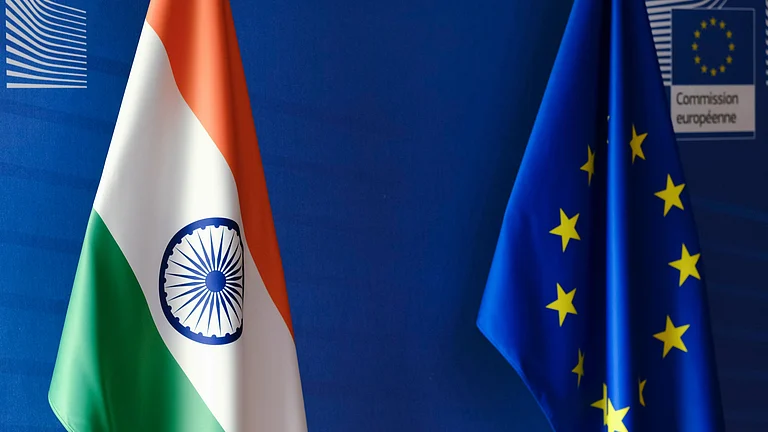
India and the European Union have concluded negotiations on a Free Trade Agreement (FTA) after nearly two decades. What began in 2007 as the proposed Bilateral Trade and Investment Agreement has finally culminated in a pact that opens up markets accounting for nearly 25% of global GDP.
Often described by top officials as the “mother of all deals,” the agreement includes steep tariff reductions on alcoholic beverages. According to the latest announcement from the EU bloc, import duties on beer, wine, and spirits will be slashed significantly under the deal.

1 September 2026
Get the latest issue of Outlook Business

According to the fact-sheet released by the European Commission beer tariffs have been halved, while duties on spirits will be reduced by around 40%. Tariffs on wine are set to fall by 20–30%. The European Union has said the agreement will remove or reduce duties on over 90% of EU goods exported to India, with the pact expected to double exports from the bloc over time.
Advertisement
Total trade between India and the EU stood at $140 billion in FY2025, making the bloc India’s largest trading partner.
An earlier report by The Times of India noted that the EU had sought zero-duty imports under the FTA, aiming to sell products such as Polish vodka, Champagne, and Irish whiskey at more competitive prices in the Indian market. According to the report, the EU views wines and spirits as a key component of the trade dialogue.

Wines and spirits account for around 2,000 and 250 geographical indications (GIs), respectively. A GI tag is a sign used on goods that have a specific geographical origin and serves as an intellectual property right, certifying authenticity and protecting products from imitation.
Advertisement
“The EU and India are currently negotiating a separate agreement on Geographical Indications, which will help traditional EU farming products sell more in India by removing unfair competition in the form of imitations,” the European Commission said in a factsheet published on Tuesday.
However, analysts had earlier raised concerns that a sharp reduction in duties on spirits could prove detrimental to India’s domestic alcohol industry, The Times of India reported.


Implementation of the trade deal requires approval from the Union Cabinet in India, while the agreement would need ratification by the European Parliament as well.