





Apple has imposed sweeping global price hikes on Macs and iPads after an unprecedented surge in memory and storage costs driven by AI chip demand
DRAM chip prices have soared nearly 100%, forcing Apple to abandon its year-long cost-shielding strategy
Flagship MacBook and iPad models now carry significantly higher tags, raising questions over Apple’s value proposition and future iPhone pricing
Apple has raised prices across its Mac and iPad product lines, citing an extraordinary surge in the cost of memory and storage components driven by the artificial intelligence (AI) industry's insatiable appetite for chips.
The increases, which came into effect globally on its online retail store on Thursday, mark one of the most sweeping price actions in the company's modern history.

1 September 2026
Get the latest issue of Outlook Business

Is it the End of Apple's Cost-Shielding Promise?
For much of the past year, Apple absorbed rising component costs without passing them on to buyers. That buffer has now run out.


"We have never seen a component price increase this much, this quickly," the company said in a public statement, adding that it had "shielded" its customers from these increases so far, "but we have now reached a point where we need to begin raising prices," as per Reuters.
Last week, Apple's outgoing CEO Tim Cook told The Wall Street Journal (WSJ) that increases were "unavoidable," calling the situation "a hundred-year flood" unlike anything he had seen in over four decades working in the electronics supply chain.
Advertisement
Why Memory Chips Are Costing More
The root cause of Apple's price increase is structural: memory makers such as Micron have prioritised long-term supply agreements with AI chipmakers over consumer electronics clients.
Prices for DRAM memory surged as much as 98% in the first quarter of 2026 and are expected to climb a further 58-63% in the current quarter, per industry tracker TrendForce, in a phenomenon some analysts have dubbed "RAMageddon", as per Reuters.
Has the MacBook Neo Lost its Fight?
Apple launched the MacBook Neo earlier this year as a direct challenger to affordable Windows laptops and Chromebooks, priced at $599. That competitive positioning has now been undermined.
Advertisement
The Neo's starting price has risen to $699, eliminating its $100 advantage over Dell's XPS 13, which the rival launched specifically to counter it.
The higher-storage Neo with Touch ID now starts at $799.
Apple also hinted at further price adjustments across additional product lines.
How Steep are the New Prices?
The increases are substantial across the board. The 13-inch MacBook Air has risen from $1,099 to $1,299, while the 14-inch MacBook Pro now starts at $1,999 versus $1,699 previously, and the 16-inch model opens at $2,999, up from $2,499.
A fully loaded 16-inch MacBook Pro now carries a price tag of $9,999.
The iMac now starts at $1,499 compared to $1,299 before, and the Mac Studio begins at $2,499, up from $1,999.
On the iPad side, the 11-inch iPad Air moved from $599 to $749, while the 11-inch iPad Pro increased from $999 to $1,199. The base iPad is now $449, up from $349, and the iPad mini rose from $499 to $599.
In India, the price data shows MRP increases ranging from ₹10,000 on entry-level MacBook Neo configurations to ₹1,70,000 on the higher-end Mac Studio with the M3 Ultra chip, with most Mac models seeing increases between ₹30,000 and ₹1,00,000.
Why did Apple Protect the iPhone But Not the Mac?
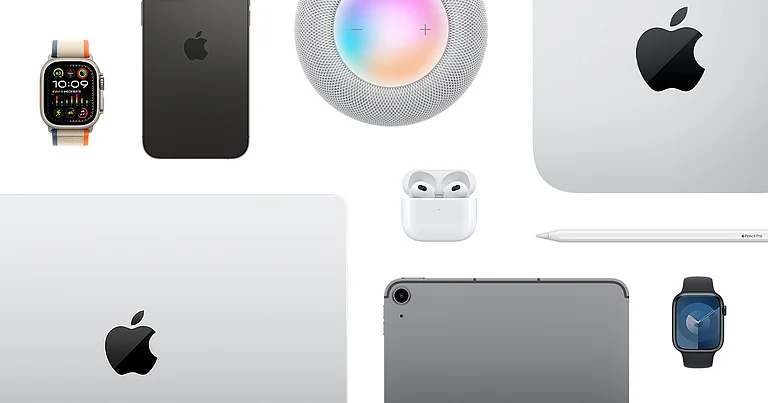
Apple has not raised iPhone, Apple Watch or AirPods prices yet, though analysts widely expect iPhone price increases to follow, particularly for Pro models.

The iPhone isn't spared, its hike is coming, said Nabila Popal, a senior research director at IDC, as per Reuters.
Cook has acknowledged that iPhones have so far been less affected by DRAM shortages, though the company faces a separate crunch related to device processors.
A $100 rise on Pro models could offset roughly 78% of higher expenses, as per the estimates by Bloomberg Intelligence.
Are Windows Laptops Now A Smarter Buy Than A MacBook?
The Indian market faces particular pressure. Price differentials between Apple and comparable Windows alternatives have widened, and the MacBook Neo's repositioning to ₹79,900 from ₹69,900 at the base level reduces its value proposition against mid-range Windows devices.
Research firm IDC estimates the global PC market will fall 11.3% this year, partly as a consequence of these price increases, and the smartphone market is forecast to see its steepest-ever annual decline of nearly 14%, as per Reuters.
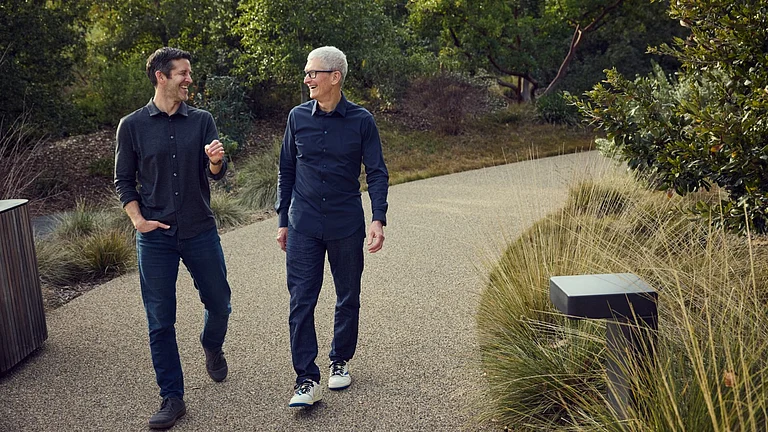
Apple said it is "working tirelessly to find solutions." Cook told WSJ that the company is willing to use its balance sheet to help address supply, though he ruled out building its own memory factories.
Separately, Apple is planning to skip higher-end M6 chip variants in favour of an AI-focused M7 generation, a chip strategy shift intended to accelerate on-device AI capabilities even as supply constraints delay products including an updated Mac Studio, as per BBG.
Apple Share Take A Dive
Apple's share price fell 6.1% on Thursday, its steepest single-day decline since April 2025.
Wedbush Securities analysts described the Mac ASP increases as ranging from 15 to 20% and maintained an 'Outperform' rating on Apple shares with a $400 price target, arguing the company is "in a strong position to increase prices without sacrificing hardware performance."

A strategic chip manufacturing partnership with Intel, announced earlier this month, is intended to diversify Apple's supply chain and strengthen its domestic US manufacturing position, they said.









