Semicon 2.0 marks the next phase of India's semiconductor strategy with a focus on developing the entire chip value chain
The scheme seeks to promote indigenous design, manufacturing, research and skilled workforce alongside new fabrication and packaging facilities
The government expects the initiative to enhance supply chain resilience and position India as a global semiconductor hub
India's semiconductor ambitions are entering a new phase. After spending the past few years attracting fabrication and chip packaging projects, the Centre has now shifted its focus towards building an end-to-end semiconductor ecosystem.
The Union Cabinet approved Semicon 2.0, on July 15, with a budgetary outlay of ₹1.27 lakh crore, signalling long-term policy support for semiconductor manufacturing, design, research and talent development.

1 October 2026
Get the latest issue of Outlook Business

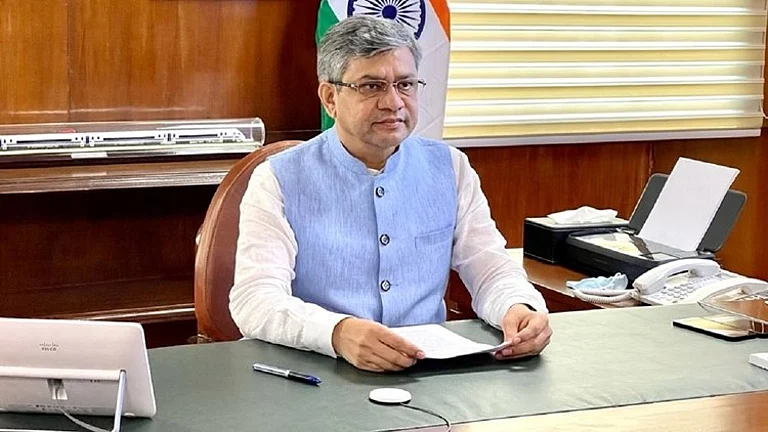
"Cabinet has approved ISM 2.0 with a total outlay of ₹1.27 lakh crore," Union Electronics and IT Minister Ashwini Vaishnaw announced after the Cabinet meeting.


What Is Semicon 2.0?
Semicon 2.0 is the second phase of India's semiconductor mission and is built around six strategic pillars — chip design, semiconductor equipment and materials, fabrication facilities, packaging units, research and development, and talent creation.

The scheme aims to encourage domestic intellectual property (IP), semiconductor designs and system-level products while attracting more investments into silicon fabs, compound semiconductor facilities, display fabs and advanced packaging units.
Advertisement
According to the government, the programme is intended to strengthen India's position across the semiconductor value chain while improving supply chain resilience and technological capabilities.
How Is It Different From Semicon 1.0?
The first phase of the India Semiconductor Mission, approved in 2021 with an outlay of ₹76,000 crore, was primarily aimed at establishing India's semiconductor manufacturing base through financial incentives.
The second phase significantly expands the programme's scope by including semiconductor-grade machinery, speciality chemicals, industrial gases, research infrastructure and design capabilities — segments that received limited attention earlier.
The government is expected to reduce capital subsidies to around 30-40%, compared with the higher support offered under the initial phase, reflecting growing investor confidence and stronger participation from state governments, as per a report by The Hindu.
Advertisement
Why Does India Need More Than Chip Factories?
Building fabrication plants alone is not enough to create a globally competitive semiconductor industry.
Semiconductor manufacturing depends on a vast ecosystem that includes design software, specialised equipment, ultra-pure chemicals, industrial gases, packaging facilities, testing infrastructure and skilled engineers.
Semicon 2.0 reflects a shift from proving India can manufacture chips to strengthening capabilities across the entire semiconductor value chain.
Why Are Equipment And Materials Crucial?
One of the biggest additions under Semicon 2.0 is support for companies manufacturing semiconductor equipment and critical raw materials.
The government said firms engaged in producing machines, semiconductor-grade chemicals, materials and gases required for chip production will receive incentives. This is expected to reduce import dependence while creating domestic manufacturing capabilities in precision engineering and industrial equipment.
These inputs are essential because semiconductor fabrication relies on highly specialised machinery and materials that are currently sourced largely from global suppliers.
Can India Build Indigenous Chip Design Capabilities?
India already has a strong semiconductor design talent pool, but much of it works for multinational companies.
According to the government, 105 startups and MSMEs are already developing semiconductor products after gaining access to industry-standard Electronic Design Automation (EDA) tools, while 24 design projects have received financial support.
These firms are designing chips for applications ranging from artificial intelligence and telecom to drones, satellite communication, IoT devices and smart meters.
Semicon 2.0 now aims to expand indigenous intellectual property and system-level chip development, positioning India as a global chip design hub rather than only a manufacturing destination.
What Has Semicon 1.0 Delivered?
The second phase builds on the investments made under the first programme.
According to the government, 12 semiconductor manufacturing projects worth more than ₹1.64 lakh crore have already been approved.
These include one silicon fabrication plant, one silicon carbide fab, one gallium nitride Micro LED display facility and nine semiconductor packaging units serving sectors such as automobiles, telecommunications, industrial electronics and aerospace.
The government added that Micron, Kaynes and CG Semi have already begun commercial production, while another facility is expected to start operations during 2026.
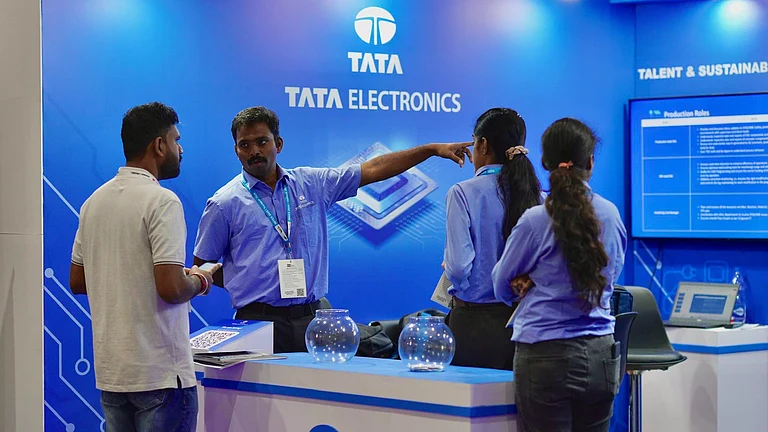
According to the government, around 68,000 students across 315 universities have already been trained using advanced EDA tools.

What Will ₹1.27 Lakh Crore Achieve?
Beyond financing semiconductor projects, the latest programme seeks to strengthen research, develop advanced technology nodes beyond the current 28 nm - 110 nm range and expand industry-led workforce training.
According to the government, Semicon 2.0 will deepen the training of the students across universities by introducing specialised training in clean-room operations, fab construction and semiconductor manufacturing.
The government expects Semicon 2.0, along with the Mobile Phone Manufacturing Scheme, to attract ₹4 lakh crore in investments, generate ₹2 lakh crore in production and support ₹1 lakh crore in exports over the next five years, as per The Hindu.
The Bigger Picture
The semiconductor industry has become increasingly strategic following global supply chain disruptions during the pandemic and geopolitical tensions affecting technology trade.
India sees domestic semiconductor capabilities as critical to integrating with global electronics supply chains while reducing long-term dependence on overseas manufacturing.
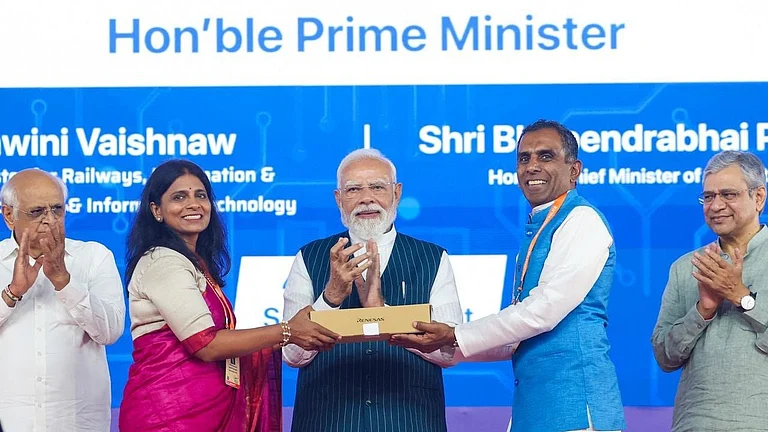
Rather than focusing solely on attracting fabrication plants, Semicon 2.0 seeks to build every layer of the semiconductor ecosystem — from research and design to manufacturing, packaging and skilled manpower — creating a broader foundation for India's long-term ambitions in advanced electronics and critical technologies.