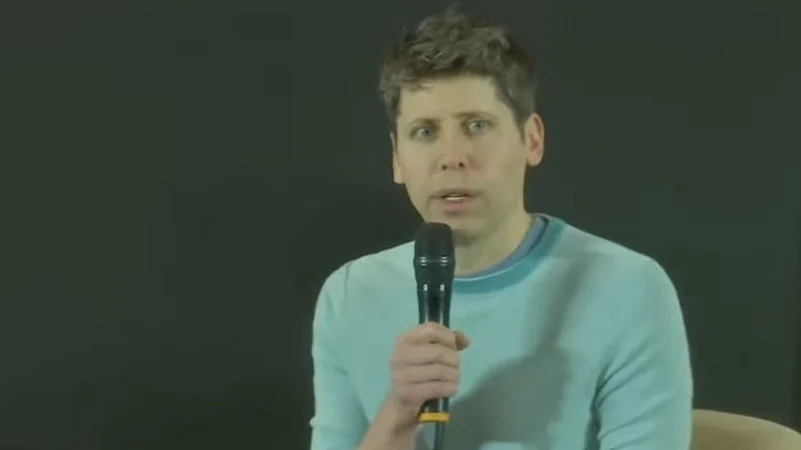

Sam Altman has stepped down from the Helion Energy board to avoid conflicts of interest
OpenAI is in talks to secure 5 gigawatts of fusion power by 2030, scaling to 50 GW by 2035
The deal would guarantee OpenAI 12.5% of Helion's future electricity production
OpenAI CEO Sam Altman has stepped down from the board of directors of Helion Energy, as both companies explore potential future partnerships. The move is aimed at avoiding any conflict of interest, given Altman’s leadership role at OpenAI and his long-standing involvement with Helion.
Altman, who has backed Helion since 2015, said in a post on X “I will have a financial interest in Helion so still be recused from negotiations, but from a governance perspective this will make things easier for both companies.”
1 September 2026
Get the latest issue of Outlook Business

His decision reflects growing alignment between the two companies as they consider collaborating more closely.


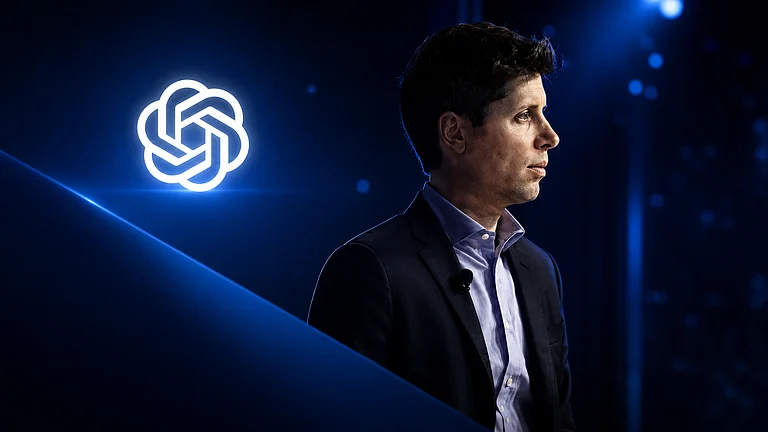

Helion CEO Announcement
Announcing the development, David Kirtley said the move would enable Helion and OpenAI to explore partnerships aimed at delivering zero-carbon, safe electricity at scale. He added that Altman has played a crucial role in Helion’s growth over the years, pushing the team to think ambitiously, act with urgency, and focus on deploying fusion energy solutions quickly to meet global demand for clean and abundant power.
Kirtley noted that Helion’s progress in the fusion space would not have been possible without Altman’s support over the past decade.
Advertisement
Responding to Kirtley’s remarks, Altman said he had valued his time on Helion’s board and remains optimistic about the company’s future. He praised the leadership team, including founders David Kirtley and Chris, and expressed confidence that the company’s progress would continue to impress as it advances its fusion energy ambitions.
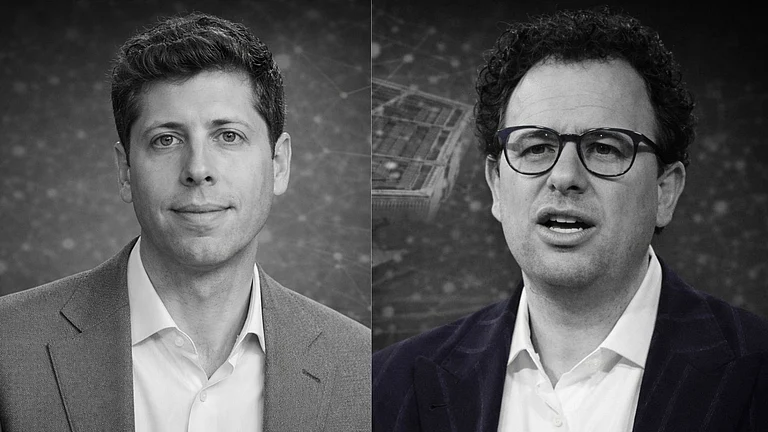
OpenAI-Helion Partnership
The leadership change comes amid reports that OpenAI and Helion are in advanced discussions around a potential energy supply partnership.
As per an Axios report, OpenAI may look to secure a guaranteed share of Helion’s future electricity production, initially around 12.5%. The discussions reportedly include access to energy equivalent to 5 gigawatts by 2030, with the possibility of scaling up to 50 gigawatts by 2035.
Advertisement

Such an agreement would position OpenAI to secure long-term energy supply for its growing computational needs, particularly as demand for AI infrastructure rises. A similar approach was seen in 2023, when Microsoft signed a deal with Helion to purchase fusion-generated electricity starting in 2028.
Helion is currently working to build the world’s first full-scale, commercially viable fusion reactor within this timeframe. If successful, the company could emerge as a leader in fusion energy, offering a potentially transformative solution for clean, scalable power.