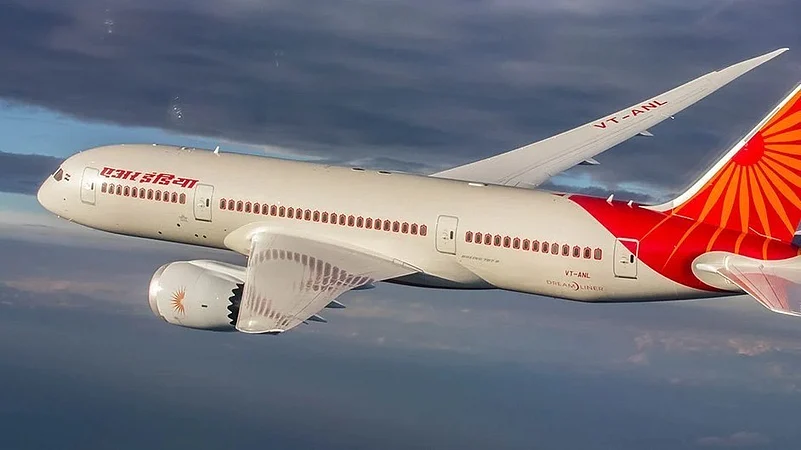

Singapore Airlines said its board has not set a fixed limit on future investments in Air India.
The carrier described its 25.1% stake in the airline as a key part of its multi-hub growth strategy.
The comments come after Air India's FY26 loss led Singapore Airlines to book a share of loss of S$330 million.
Singapore Airlines (SIA) has said it will evaluate any future capital infusion into Air India on a case-by-case basis, while reaffirming its long-term commitment to supporting the Tata Group-owned airline's transformation.
The comments came in responses shared with the Securities Investors Association (Singapore) (SIAS) ahead of the airline's annual general meeting (AGM). The responses addressed investor queries on SIA's investment in Air India and its long-term strategy.
1 September 2026
Get the latest issue of Outlook Business

The airline said its board has not fixed any predetermined investment limit for Air India and will consider future funding requests based on the airline's business strategy and the group's overall capital requirements.
"The board will carefully consider any requests for additional capital from Air India, taking into consideration the Group's other capital requirements and Air India's business strategy," Singapore Airlines said.
Air India Remains Key to SIA's Strategy
Singapore Airlines said its investment decisions follow a disciplined capital allocation framework that takes into account operating cash flows, aircraft investments, product upgrades and strategic investments such as Air India.
The airline described its 25.1% stake in the enlarged Air India Group as a cornerstone of its multi-hub strategy. It said the investment provides direct access to India's fast-growing domestic aviation market and international passenger traffic through Indian hubs.
Advertisement
SIA added that the investment builds on its long-standing partnership with the Tata Group through Vistara, which merged with Air India in November 2024.
Responding to questions on how Air India differs from its investments in Air New Zealand, Virgin Atlantic and Virgin Australia, the airline said each investment is evaluated independently based on long-term growth potential, strategic fit, operating environment and risk profile.
Losses Persist Amid Turnaround
Air India's financial performance, however, continued to weigh on Singapore Airlines' earnings during FY26. Air India reported a net loss of ₹26,400 crore in FY26 as it continued to invest in fleet modernisation, product upgrades, network expansion and integration following the Vistara merger.
Advertisement
As a result, Singapore Airlines recognised a share of loss of S$330 million (around ₹2,180 crore) from its Air India investment, compared with a share of profit of S$48 million from Vistara in the previous financial year.
Despite the losses, SIA said Air India has made progress in improving customer experience, expanding its fleet and network, strengthening onboard and ground services, and enhancing operational performance.
The airline also acknowledged that Air India continues to face challenges, including high fuel prices, a weaker rupee, supply-chain disruptions, the continued closure of Pakistan's airspace and the impact of the AI-171 accident.
Long-Term Bet on Air India
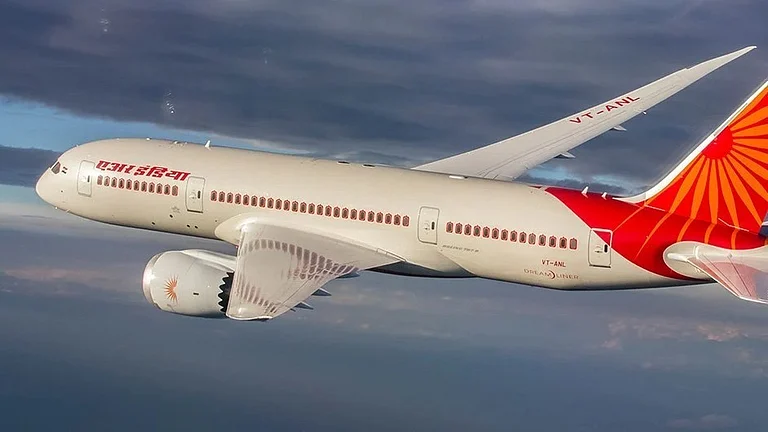
Singapore Airlines said it remains committed to supporting Air India's long-term turnaround alongside Tata Sons.
"The Air India investment provides direct access to India's domestic market and international flows via Indian hubs, complementing the Singapore hub and supporting growth opportunities that cannot be fully realised through a single-hub model," the airline said.
SIA also noted that it is the only non-Indian airline group with a direct equity stake in India's aviation market.
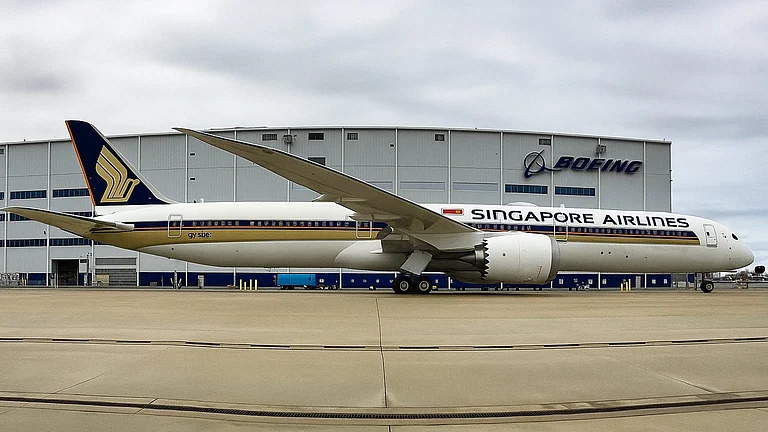
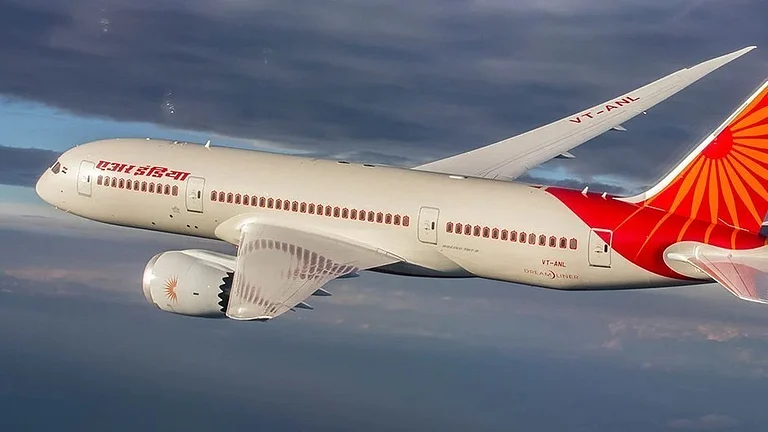

As a significant minority shareholder, the airline said it continues to provide strategic guidance through its board representation. SIA Chief Executive Officer Goh Choon Phong serves as a Non-Executive and Non-Independent Director on Air India's board, allowing both shareholders to support the airline's management during its transformation journey.