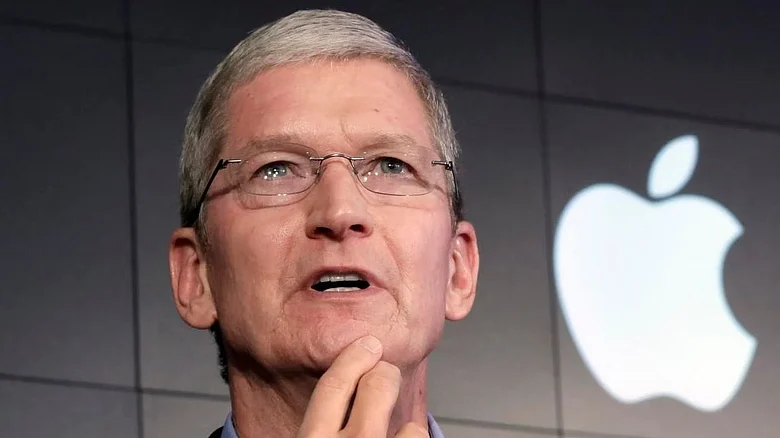

• Tim Cook turned Apple into a services and ecosystem giant.
• Revenue expanded beyond iPhone into subscriptions and wearables.
• Apple became the world’s most valuable company under his leadership.
When Tim Cook took over as chief executive of Apple Inc. in 2011 following the death of Steve Jobs, expectations were uncertain. Jobs had defined Apple as a product-first innovator, driven by bold launches like the iPhone, iPod, and MacBook. Cook inherited a company with strong products but an even stronger legacy.
Tim Cook, then Apple’s chief operating officer, stepped in with a very different reputation. He wasn’t known for product magic or keynote theatrics. Instead, he was the man behind Apple’s famously efficient supply chain. Many wondered whether Apple would lose its creative edge under a leader seen more as a manager than a visionary.
Fifteen years on, the outcome looks very different. Apple didn’t just survive, it became one of the most valuable tech companies in history which has crossed multiple trillion-dollar milestones and built a deeply entrenched ecosystem spanning devices, software and services. Cook didn’t try to replicate Jobs. He rewrote the playbook.

1 October 2026
Get the latest issue of Outlook Business

And this transition is now entering its next phase. Apple recently announced that Cook will step aside as CEO and become executive chairman, with longtime hardware chief John Ternus taking over. The move, the company said, follows a “thoughtful, long-term succession planning process,” underscoring how structured and deliberate Apple has become under Cook’s leadership.
Advertisement
As Cook prepares to move into a new role, his tenure offers a clear answer to a once-uncertain question: Apple didn’t need another Jobs. It needed a different kind of leader.
From Products to Ecosystem Growth
Under Cook, Apple’s strategy gradually shifted from breakthrough product categories to strengthening and monetizing its ecosystem. While flagship devices like the iPhone remained central, the company began building recurring revenue streams through services such as iCloud, Apple Music, Apple TV+, and the App Store.
At the same time, Apple doubled down on integration. Devices weren’t meant to function in isolation but as part of a tightly knit system. An iPhone connected seamlessly with a Mac, iPad, Watch and AirPods, locking users into a high-retention ecosystem.
Advertisement
This transformation helped Apple reduce its dependence on hardware sales, creating a more stable and predictable revenue model. Services have since become one of Apple’s fastest-growing segments, contributing significantly to its overall profitability.
Hardware Evolution & Innovations
Although Cook’s tenure is sometimes described as "less disruptive" in terms of new product categories, Apple continued to evolve its hardware lineup significantly. The Apple Watch created a dominant position in the wearable technology market, while AirPods reshaped the wireless audio segment.
One of the most significant engineering milestones came with Apple Silicon, transitioning Macs away from Intel processors to in-house chips. This move improved performance, battery life, and integration across Apple’s product ecosystem, reinforcing the company’s long-term control over its hardware and software stack.
The focus moved from disruptive, high-risk bets to incremental, high-impact improvements that compounded over time.
Global Scale & Supply Chain Strength
A defining feature of Cook’s leadership has been his expertise in global operations and supply chain management. Apple expanded its manufacturing footprint across Asia while maintaining high efficiency and product quality at scale.
This operational strength allowed Apple to consistently deliver high-margin products worldwide and maintain tight control over production timelines and costs. It also enabled the company to weather global disruptions more effectively than many competitors.
Record Valuation & Financial Expansion
Under Cook, Apple became the first company to reach a multi-trillion-dollar market valuation. It became a $4 trillion company under Cook's leadership. Strong demand for iPhones, combined with rapid growth in services and wearables, drove sustained revenue expansion.
The company also became one of the most profitable in the world, consistently delivering strong shareholder returns through stock performance and buyback programs. Apple’s financial stability under Cook marked a major shift from its earlier cycles of volatility.
Fewer New Categories, Stronger Ecosystem
Critics of Cook’s tenure often point to the lack of entirely new product categories compared to the Jobs era. However, supporters argue that Apple’s strength lies in refining existing categories rather than chasing experimental hardware.
Instead of launching entirely new product lines, Apple has focused on deepening integration across its ecosystem, ensuring seamless connectivity between iPhone, Mac, iPad, Watch, and services. This approach has strengthened customer retention and ecosystem loyalty.
A Different Kind of Apple Leadership
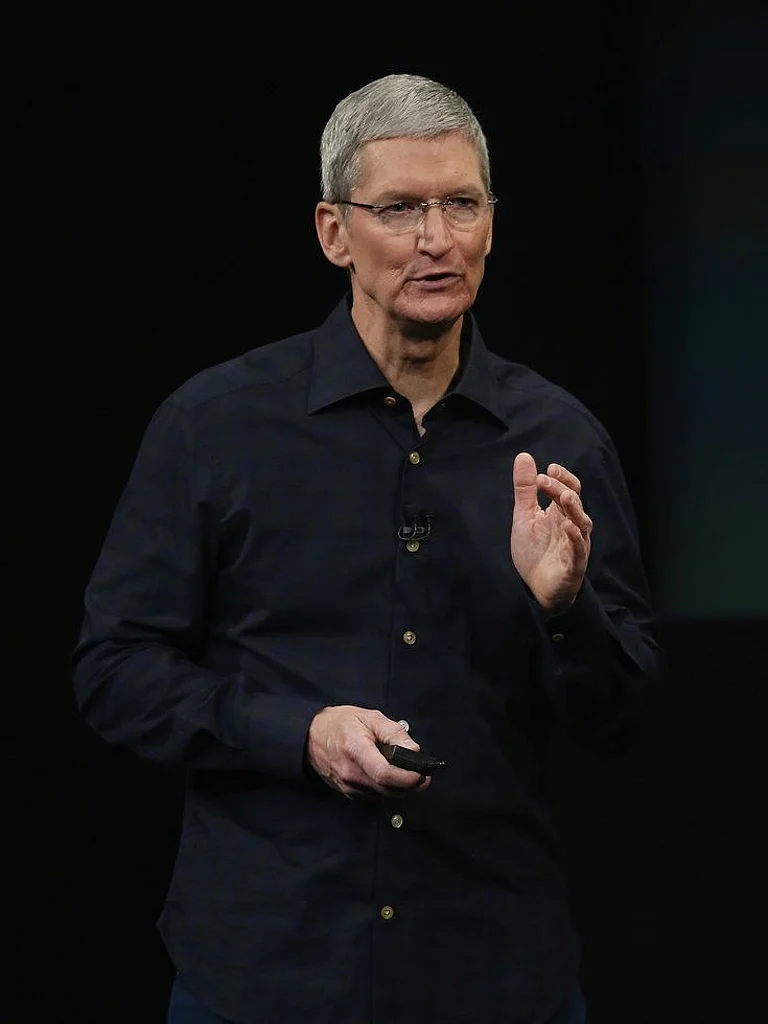
Cook’s leadership style contrasts sharply with Steve Jobs’ visionary and product-centric approach. Where Jobs was known for product announcements and bold design philosophies, Cook has emphasised operational discipline, long-term sustainability, and steady growth.
As Apple announced its leadership transition, Cook praised his successor, saying John Ternus has “the mind of an engineer, the soul of an innovator, and the heart to lead with integrity and with honor".
This shift has redefined Apple’s identity from a disruptive innovator to a highly optimized global technology platform. The company today is less about single breakthrough products and more about an interconnected ecosystem that spans hardware, software, and services.
Legacy of the Cook Era
Fifteen years after Steve Jobs, Tim Cook leaves a dramatically different Apple—one defined by scale, stability, and financial dominance. While debates continue about innovation pace versus the Jobs era, there is little dispute that Cook transformed Apple into a global economic force.
As the company continues to evolve, Cook’s legacy will likely be measured not just in products, but in the creation of one of the most powerful and profitable technology ecosystems in history.